

Diplomatic earthquake in the Balkans: Serbia furious over Turkish drones in Kosovo – accusations of “neo-Ottoman dreams.”
The already complex relations between Turkey and Serbia appear to have entered a new period of tension after Ankara’s decision to supply Kosovo with kamikaze drones.
However, international observers describe Belgrade’s reaction as “hypocritical,” reminding that Serbia itself recently armed Cyprus, one of Turkey’s most steadfast opponents in the Mediterranean.
The Serbia–Turkey relationship is a mix of economic cooperation, historical suspicion, and political tension.
Turkey maintains close ties with Kosovo, which it has recognized as an independent state since 2008.
In contrast, Serbia continues to consider Kosovo an integral part of its territory.
At the same time, Serbia maintains warm relations with Cyprus, which does not recognize Kosovo’s independence and has been in a longstanding confrontation with Ankara.
Missiles to Cyprus: “Apple of Discord” for Ankara and Belgrade
A new spark of tension in the Balkans has now been ignited by the transfer of Serbian missile systems to Cyprus.
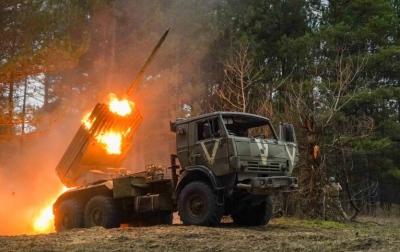
Sources from the National Guard revealed that the Serbian Army delivered Tamnava Multiple Rocket Launchers (MRL) capable of striking targets up to 70 kilometers away.
Analysts describe this agreement as a “strategic provocation against Turkey”, which has forces stationed in the occupied areas of the island since 1974.
The Belgrade–Nicosia collaboration is not new.
The two countries have traditionally maintained close relations, reinforced by the fact that Cyprus does not recognize Kosovo, while Serbia does not recognize the pseudo-state of the “Turkish Republic of Northern Cyprus” (TRNC).
Thus, both sides consider that they are mutually supporting their “national issues” against Ankara.
However, the move is considered provocative in Turkey and undermining of regional security, with Turkish media describing it as “Belgrade’s double-faced policy.”
Serbia’s weapons in Cyprus
The revelation of Serbian weapons in Cyprus has caused unrest on the occupied side.
Ankara views this specific supply as a direct threat to its southern flank, while analysts speak of an “open front” in the Eastern Mediterranean.
The well-known military account Clash Report commented sharply:
"Belgrade accuses Turkey of 'destabilization' over FPV drones that anyone can buy, while Serbia itself arms Cyprus with 70 km range missiles, increasing tension along the Turkish coasts."

Furious Vucic attack on Turkey
On October 8, Serbian President Vucic launched a fierce attack on Ankara, accusing it of violating international law and destabilizing the Balkans.
"I am shocked by Turkey’s behavior and the brutal violation of the UN Charter and Security Council Resolution 1244.
Ankara continues to arm the authorities in Pristina. It is now clear that Turkey does not want stability in the Balkans and dreams of reviving the Ottoman Empire," the Serbian president said in a post on X (formerly Twitter).
Turkey, however, was among the first countries to recognize Kosovo, and relations between the two sides have strengthened significantly in recent years.

The drones that sparked anger
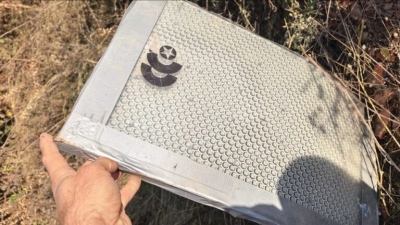
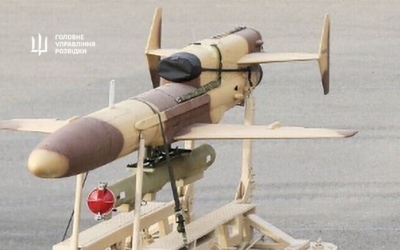
Vucic’s outrage erupted after Kosovo’s Prime Minister Albin Kurti announced that his country had received thousands of Skydagger FPV drones, also known as “ready-to-fly” (RTF) drones, capable of striking fixed and moving targets with explosive warheads.
"The new equipment significantly increases our army’s firepower and meets the needs of modern warfare," Kurti said, adding that the drones were delivered earlier than scheduled.
Turkey has not commented officially but often cites the argument of “strengthening regional security” for its military cooperation with Kosovo.
It is worth noting that UN Resolution 1244 (1999) allows for armament “for international political and military missions”, leaving room for interpretation.

Turkey at the helm of NATO in Kosovo
The issue came to the forefront shortly after Turkey assumed command of NATO-led international peacekeeping force and military (KFOR) in Kosovo.
The Operationally Ready Force (ORF) completed its deployment at the end of September 2025, further strengthening Turkey’s military presence in the region.
Why is Serbia furious?
Serbia condemns any weapons shipments to Kosovo, as it considers the area an autonomous province within its territory.
Although Kosovo operates independently and has been recognized by over 100 countries, Belgrade insists on claiming sovereignty.
The allegations against Turkey coincide with a resurgence of tensions in northern Kosovo, where incidents of violence have been reported between Serbian communities and Kosovo security forces.
Serbia's hypocrisy
Vucic’s reaction triggered a wave of mockery on social media.
Many users reminded that Serbia itself buys weapons from Turkey and collaborates with Turkish companies.
www.bankingnews.gr
However, international observers describe Belgrade’s reaction as “hypocritical,” reminding that Serbia itself recently armed Cyprus, one of Turkey’s most steadfast opponents in the Mediterranean.
The Serbia–Turkey relationship is a mix of economic cooperation, historical suspicion, and political tension.
Turkey maintains close ties with Kosovo, which it has recognized as an independent state since 2008.
In contrast, Serbia continues to consider Kosovo an integral part of its territory.
At the same time, Serbia maintains warm relations with Cyprus, which does not recognize Kosovo’s independence and has been in a longstanding confrontation with Ankara.
Missiles to Cyprus: “Apple of Discord” for Ankara and Belgrade
A new spark of tension in the Balkans has now been ignited by the transfer of Serbian missile systems to Cyprus.
Sources from the National Guard revealed that the Serbian Army delivered Tamnava Multiple Rocket Launchers (MRL) capable of striking targets up to 70 kilometers away.
Analysts describe this agreement as a “strategic provocation against Turkey”, which has forces stationed in the occupied areas of the island since 1974.
The Belgrade–Nicosia collaboration is not new.
The two countries have traditionally maintained close relations, reinforced by the fact that Cyprus does not recognize Kosovo, while Serbia does not recognize the pseudo-state of the “Turkish Republic of Northern Cyprus” (TRNC).
Thus, both sides consider that they are mutually supporting their “national issues” against Ankara.
However, the move is considered provocative in Turkey and undermining of regional security, with Turkish media describing it as “Belgrade’s double-faced policy.”
Serbia’s weapons in Cyprus
The revelation of Serbian weapons in Cyprus has caused unrest on the occupied side.
Ankara views this specific supply as a direct threat to its southern flank, while analysts speak of an “open front” in the Eastern Mediterranean.
The well-known military account Clash Report commented sharply:
"Belgrade accuses Turkey of 'destabilization' over FPV drones that anyone can buy, while Serbia itself arms Cyprus with 70 km range missiles, increasing tension along the Turkish coasts."
Furious Vucic attack on Turkey
On October 8, Serbian President Vucic launched a fierce attack on Ankara, accusing it of violating international law and destabilizing the Balkans.
"I am shocked by Turkey’s behavior and the brutal violation of the UN Charter and Security Council Resolution 1244.
Ankara continues to arm the authorities in Pristina. It is now clear that Turkey does not want stability in the Balkans and dreams of reviving the Ottoman Empire," the Serbian president said in a post on X (formerly Twitter).
Turkey, however, was among the first countries to recognize Kosovo, and relations between the two sides have strengthened significantly in recent years.
The drones that sparked anger
Vucic’s outrage erupted after Kosovo’s Prime Minister Albin Kurti announced that his country had received thousands of Skydagger FPV drones, also known as “ready-to-fly” (RTF) drones, capable of striking fixed and moving targets with explosive warheads.
"The new equipment significantly increases our army’s firepower and meets the needs of modern warfare," Kurti said, adding that the drones were delivered earlier than scheduled.
Turkey has not commented officially but often cites the argument of “strengthening regional security” for its military cooperation with Kosovo.
It is worth noting that UN Resolution 1244 (1999) allows for armament “for international political and military missions”, leaving room for interpretation.
Turkey at the helm of NATO in Kosovo
The issue came to the forefront shortly after Turkey assumed command of NATO-led international peacekeeping force and military (KFOR) in Kosovo.
The Operationally Ready Force (ORF) completed its deployment at the end of September 2025, further strengthening Turkey’s military presence in the region.
Why is Serbia furious?
Serbia condemns any weapons shipments to Kosovo, as it considers the area an autonomous province within its territory.
Although Kosovo operates independently and has been recognized by over 100 countries, Belgrade insists on claiming sovereignty.
The allegations against Turkey coincide with a resurgence of tensions in northern Kosovo, where incidents of violence have been reported between Serbian communities and Kosovo security forces.
Serbia's hypocrisy
Vucic’s reaction triggered a wave of mockery on social media.
Many users reminded that Serbia itself buys weapons from Turkey and collaborates with Turkish companies.
www.bankingnews.gr








Σχόλια αναγνωστών