

Russians fear either a Ukrainian attack on the Russian presidential aircraft or the arrest of Vladimir Putin due to the International Criminal Court’s (ICC) warrant against him.
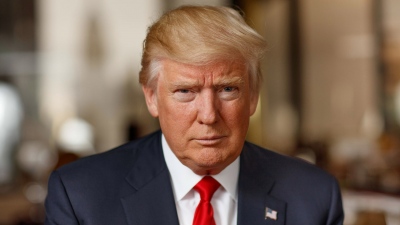
During their latest phone conversation, U.S. President Donald Trump and Russian President Vladimir Putin agreed to meet in Budapest, Hungary, in an effort to resolve the Ukrainian issue.
It will be another meeting expected to shake global diplomacy and disrupt the balance on the international stage, as many analysts believe that the two presidents might reach an agreement that could even include territorial concessions in favor of Russia.
Given these circumstances, the concerns expressed by many Russian lawmakers and analysts about Putin’s visit to Hungary are understandable: Could this be a “trap” for the Russian president?
From aerial dangers to political stakes, Putin’s trip involves risks that concern not only the two superpowers but also Europe’s overall security.
What are the true motives behind this meeting, and what is Hungary’s role on the geopolitical chessboard?
And most importantly: how exactly will Putin reach Hungary, given that he faces an international arrest warrant from the ICC and that the threat of a Ukrainian attack on his presidential aircraft always looms?
Risk of interception
According to Russian MP Mikhail Delyagin, the delivery of American Tomahawk missiles to Ukraine currently takes a back seat to the issue of the Russian president’s trip to Hungary for the upcoming meeting with the U.S. leader.
“The Tomahawks, for the next few days, are not the most intriguing mystery of our times,” said Delyagin, emphasizing that there is no available route by which Putin could fly from Russia to Hungary without passing through the airspace of countries where there is a strong likelihood of an interception attempt.

Two options
According to the Russian lawmaker, there are two unusual, almost impossible options for Putin’s trip to Hungary.
Specifically, Delyagin suggested that to avoid various dangers, Putin should either fly on the same plane as Trump or undertake a suborbital flight, reaching an altitude that surpasses Earth’s atmosphere.
Arrest warrant
Delyagin further noted that even if the Russian leader manages to reach Hungary, there remains a risk that the country’s authorities might enforce the ICC’s arrest warrant for war crimes against Putin.
In this context, the problem persists, concluded the Russian official.
Hungary, however, has made it clear that it will not arrest the Russian president if he travels to Budapest for the summit with the U.S. president, despite Germany’s request that Hungary comply with the ICC’s arrest order.
Hungary’s assurances
“We are expecting President Vladimir Putin with respect,” declared Hungarian Foreign Minister Peter Szijjarto during a press conference in Budapest, emphasizing that the Hungarian government guarantees Putin’s unobstructed entry and exit from Hungary and the successful conduct of his negotiations with Trump.
“No coordination is required with anyone for this,” Szijjarto added, “because we are a sovereign country.”
It is worth noting that the Hungarian government has announced its withdrawal from the ICC’s regulations, though the new legal framework will not take effect until April 2026.
Fears of an attack on the Presidential Aircraft
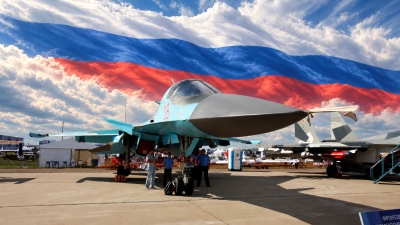
Many Russians, however, express concern about the possibility of a Ukrainian attack on Putin’s aircraft.
Russian military correspondent Alexander Kots also referred to this risk.
First of all, he explained, the dangers and complications arise from the fact that Hungary is landlocked and Russia does not share a border with it, meaning the flight path would pass near hostile countries.
Kots noted that flying over Ukraine poses a risk of direct attack on the presidential plane.
Dangerous overflight of the Baltic States and Germany
At the same time, a route through the Baltic countries and Germany is considered dangerous due to the presence of unidentified drones in the area.
“The British, with their ‘pets,’ will surely try to do something nasty,” Kots clarified.

The ideal route
As the ideal option, Kots suggested a flight through the Caucasus, Iran, Montenegro, and Serbia.
Alternatively, a route could be organized through the Mediterranean, the military analyst added.
Scenarios upon scenarios
A recent report by The Moscow Times discussed the possible flight routes for President Putin.
According to the article, Putin would have to fly over the airspace of Belarus, Russia’s ally, and then over Poland or Slovakia, both members of the European Union and NATO: a potentially dangerous path given current political tensions and the proximity of both countries to Ukraine.
Romania is another possible option, but it too is a member of NATO and the EU, the publication noted.
Route remains
Unclear Putin’s flight route remains “unclear,” Kremlin spokesman Dmitry Peskov stated.
“At the moment, there is the will of both presidents to hold such a meeting.
But first, the issue will be discussed by Foreign Minister Sergey Lavrov and his American counterpart Marco Rubio,” said Peskov.

Hungary’s fire toward the EU
Hungary has accused the European Union of trying to obstruct the Putin–Trump meeting.
Amid statements from various countries about the potential summit between the two presidents, Hungarian Foreign Minister Peter Szijjarto also weighed in.
He accused the EU of attempting to prevent the forthcoming meeting between the Russian and U.S. leaders.
Szijjarto stated that Europe is not truly interested in whether the summit will bring real peace:
“From today’s statements, I conclude that a significant number of European politicians will do everything — absolutely everything — to make sure this meeting does not happen,” the diplomat said, referring to the recent session of EU foreign ministers.
War hysteria
In Szijjarto’s view, Europe reacted to the upcoming U.S.–Russia summit with jealousy.
He added that many of his fellow European foreign ministers remain in a state of ‘war hysteria,’ and for that reason, they are not ready to support peaceful initiatives for Ukraine.
www.bankingnews.gr
It will be another meeting expected to shake global diplomacy and disrupt the balance on the international stage, as many analysts believe that the two presidents might reach an agreement that could even include territorial concessions in favor of Russia.
Given these circumstances, the concerns expressed by many Russian lawmakers and analysts about Putin’s visit to Hungary are understandable: Could this be a “trap” for the Russian president?
From aerial dangers to political stakes, Putin’s trip involves risks that concern not only the two superpowers but also Europe’s overall security.
What are the true motives behind this meeting, and what is Hungary’s role on the geopolitical chessboard?
And most importantly: how exactly will Putin reach Hungary, given that he faces an international arrest warrant from the ICC and that the threat of a Ukrainian attack on his presidential aircraft always looms?
Risk of interception
According to Russian MP Mikhail Delyagin, the delivery of American Tomahawk missiles to Ukraine currently takes a back seat to the issue of the Russian president’s trip to Hungary for the upcoming meeting with the U.S. leader.
“The Tomahawks, for the next few days, are not the most intriguing mystery of our times,” said Delyagin, emphasizing that there is no available route by which Putin could fly from Russia to Hungary without passing through the airspace of countries where there is a strong likelihood of an interception attempt.
Two options
According to the Russian lawmaker, there are two unusual, almost impossible options for Putin’s trip to Hungary.
Specifically, Delyagin suggested that to avoid various dangers, Putin should either fly on the same plane as Trump or undertake a suborbital flight, reaching an altitude that surpasses Earth’s atmosphere.
Arrest warrant
Delyagin further noted that even if the Russian leader manages to reach Hungary, there remains a risk that the country’s authorities might enforce the ICC’s arrest warrant for war crimes against Putin.
In this context, the problem persists, concluded the Russian official.
Hungary, however, has made it clear that it will not arrest the Russian president if he travels to Budapest for the summit with the U.S. president, despite Germany’s request that Hungary comply with the ICC’s arrest order.
Hungary’s assurances
“We are expecting President Vladimir Putin with respect,” declared Hungarian Foreign Minister Peter Szijjarto during a press conference in Budapest, emphasizing that the Hungarian government guarantees Putin’s unobstructed entry and exit from Hungary and the successful conduct of his negotiations with Trump.
“No coordination is required with anyone for this,” Szijjarto added, “because we are a sovereign country.”
It is worth noting that the Hungarian government has announced its withdrawal from the ICC’s regulations, though the new legal framework will not take effect until April 2026.
Fears of an attack on the Presidential Aircraft
Many Russians, however, express concern about the possibility of a Ukrainian attack on Putin’s aircraft.
Russian military correspondent Alexander Kots also referred to this risk.
First of all, he explained, the dangers and complications arise from the fact that Hungary is landlocked and Russia does not share a border with it, meaning the flight path would pass near hostile countries.
Kots noted that flying over Ukraine poses a risk of direct attack on the presidential plane.
Dangerous overflight of the Baltic States and Germany
At the same time, a route through the Baltic countries and Germany is considered dangerous due to the presence of unidentified drones in the area.
“The British, with their ‘pets,’ will surely try to do something nasty,” Kots clarified.
The ideal route
As the ideal option, Kots suggested a flight through the Caucasus, Iran, Montenegro, and Serbia.
Alternatively, a route could be organized through the Mediterranean, the military analyst added.
Scenarios upon scenarios
A recent report by The Moscow Times discussed the possible flight routes for President Putin.
According to the article, Putin would have to fly over the airspace of Belarus, Russia’s ally, and then over Poland or Slovakia, both members of the European Union and NATO: a potentially dangerous path given current political tensions and the proximity of both countries to Ukraine.
Romania is another possible option, but it too is a member of NATO and the EU, the publication noted.
Route remains
Unclear Putin’s flight route remains “unclear,” Kremlin spokesman Dmitry Peskov stated.
“At the moment, there is the will of both presidents to hold such a meeting.
But first, the issue will be discussed by Foreign Minister Sergey Lavrov and his American counterpart Marco Rubio,” said Peskov.
Hungary’s fire toward the EU
Hungary has accused the European Union of trying to obstruct the Putin–Trump meeting.
Amid statements from various countries about the potential summit between the two presidents, Hungarian Foreign Minister Peter Szijjarto also weighed in.
He accused the EU of attempting to prevent the forthcoming meeting between the Russian and U.S. leaders.
Szijjarto stated that Europe is not truly interested in whether the summit will bring real peace:
“From today’s statements, I conclude that a significant number of European politicians will do everything — absolutely everything — to make sure this meeting does not happen,” the diplomat said, referring to the recent session of EU foreign ministers.
War hysteria
In Szijjarto’s view, Europe reacted to the upcoming U.S.–Russia summit with jealousy.
He added that many of his fellow European foreign ministers remain in a state of ‘war hysteria,’ and for that reason, they are not ready to support peaceful initiatives for Ukraine.
www.bankingnews.gr








Σχόλια αναγνωστών