

The situation is reminiscent of conditions in 2020, when the pandemic collapsed demand and the seas filled with unsold oil.
Around 1.2 to 1.4 billion barrels of oil are currently stored in tankers worldwide, many of which are anchored, heading to no destination. A large part of these quantities belongs to countries under American sanctions, such as Russia, Iran, and Venezuela, according to data from Vortexa, Kpler, and OilX, cited by Bloomberg.
US sanctions "froze" oil at sea
The phenomenon has escalated since late August and is directly linked to the new tough American sanctions on Russian energy giants, as well as the tightening of restrictions on Iran and Venezuela.
"Unprecedented situation" reminiscent of 2020
Maxim Malkov, Head of Oil and Gas Services at Kept, emphasizes that the situation is reminiscent of conditions in 2020, when the pandemic collapsed demand and the seas filled with unsold oil. If Bloomberg's data is accurate, then a new over-supply is forming, which could significantly pressure international prices. However, if the data is inflated, it may be an attempt to influence market expectations.
Port rejections and fear of violating sanctions
Daniil Tyun of AMCH notes that sanctions and over-supply perfectly explain the stagnation: many ports and companies are afraid to accept Russian or Iranian oil so as not to violate sanctions. Thus, Moscow is forced to turn to smaller traders, the "shadow fleet," or even hold oil at sea until a buyer is found.
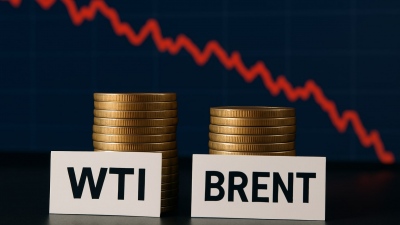
The situation is unlikely to be prolonged indefinitely. The creation of new alternative routes and payment mechanisms to bypass sanctions is expected. However, the news is not pleasant for Russia: a rise in international prices is not foreseen, warns Oleg Abelev of Rikom-Trust, stressing that international benchmarks will remain under pressure in the coming months.
www.bankingnews.gr







Σχόλια αναγνωστών