

For decades, OPEC functioned as the primary stabilizing mechanism of the global oil market, regulating production to control prices and maintain balance. Under the informal leadership of Saudi Arabia, the organization historically relied on surplus production capacity to absorb shocks and crises. However, according to analysis, under the new presidency of Donald Trump, a series of aggressive geopolitical moves has radically changed this landscape, accelerating the weakening of OPEC's cohesion and influence.
Erosion of a once-mighty cartel
OPEC's influence on global oil production has been declining for years as non-member countries—most notably the United States—significantly increased their production. From approximately 50% of the global supply in the 1970s, OPEC's share has decreased noticeably, with the decline accelerating due to geopolitical turmoil. This weakening, Reuters notes, became more evident following the crisis in the Strait of Hormuz, a critical energy corridor that highlighted the limits of OPEC's ability to control developments even at the "heart" of its production.
Strategic blows from Washington
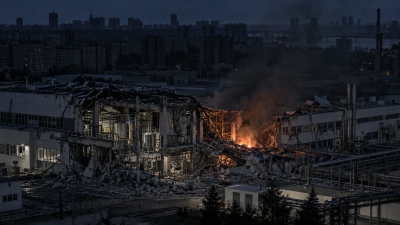
US interventions were not limited to rhetoric. Involvement in Venezuela restructured its energy sector, limiting its alignment with OPEC quotas. At the same time, military operations by the US and its allies against Iran triggered a wider crisis in the region, with Tehran reacting through energy and shipping blockades that affected the global oil supply.
Internal fragmentation and cracks in cohesion
Internal disagreements have also weakened the organization. Tensions between producers and strategic divergences are reported, making a unified front difficult. In this context, Gulf countries appear increasingly independent in their energy choices, reducing the effectiveness of collective decisions.
The rise of the US and market limits
As OPEC weakens, the United States is reinforcing its role as a leading energy producer and exporter. However, unlike OPEC, American production relies on market forces rather than central planning, a fact that limits its ability to stabilize prices during times of crisis.
Instability without a safety mechanism
Historically, OPEC functioned as a "crisis regulator," increasing or decreasing production to limit extreme price fluctuations. Without a strong and unified OPEC, energy markets are entering a period of increased volatility, where geopolitical crises, natural disasters, or disruptions can cause sharp price hikes.
www.bankingnews.gr




Σχόλια αναγνωστών