

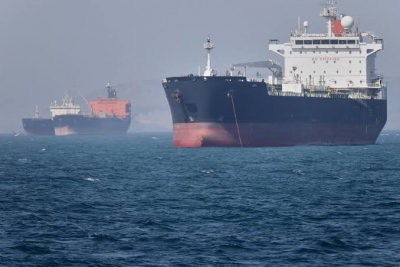
Trump did not limit himself to military threats… but also announced the seizure of Kharg Island, Iran's most important oil terminal.
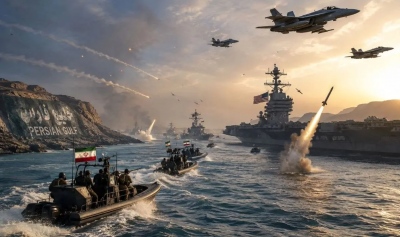
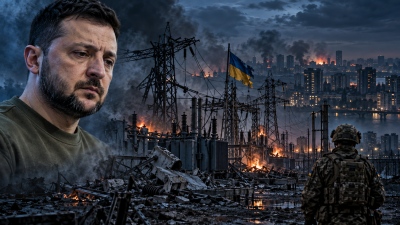
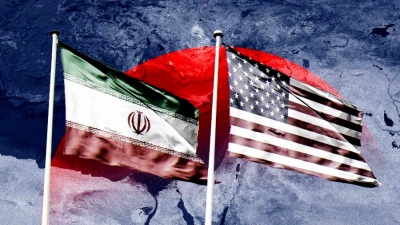
President Donald Trump is in a frenzy, continuing for yet another day to launch threats against Iran, a development that highlights the impasse he has reached. In a message that caused shock at the diplomatic and military levels, Trump announced—via social media—that the United States would launch a "very hard" strike against Iran, even claiming that Tehran's defensive and offensive capabilities have already been neutralized. "The United States will strike Iran (whose Navy, Air Force, Radar, Anti-Aircraft Defense, and all other forms of Defense, along with most of its offensive capability, have DISAPPEARED!), VERY HARD TONIGHT," the American president wrote characteristically. Trump did not limit himself to military threats… but also signaled the seizure of Kharg Island, Iran's most important oil terminal, through which about 90% of the country's crude oil exports are moved. He argued that the absolute control of Iranian energy resources parallels the strategy followed in Venezuela.
New Trump threats
More specifically, Trump states in his post: "The United States will strike Iran (whose Navy, Air Force, Radar, Anti-Aircraft Defense, and all other forms of Defense, along with most of its offensive capability, have DISAPPEARED!), VERY HARD TONIGHT. At some point in the not-too-distant future, we will seize Kharg Island and other oil infrastructure points, and we will take full control of their Oil and Gas Markets, just as we did with Venezuela, which works excellently for both Venezuela and the United States of America. Thank you for your attention to this matter! President Donald J. Trump."
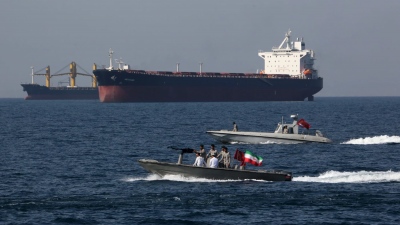
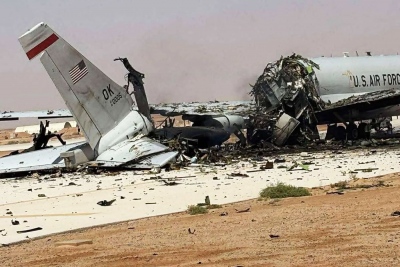
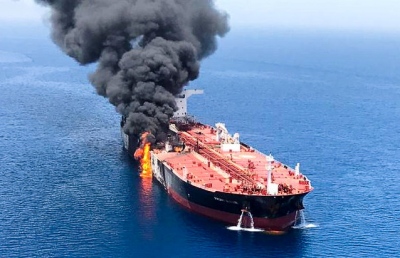
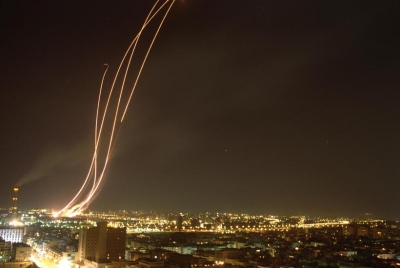
Trump's comments come after the US Central Command (CENTCOM) announced that the military completed the latest round of strikes against Iranian surveillance capabilities, communication systems, and air defense positions. Trump ordered the strikes as he tries to pressure Iran to reach an agreement to open the Strait of Hormuz and abandon its nuclear program. Iran's state news agency Tasnim reported that Tehran struck several US military installations in Kuwait and Bahrain, including the Ali Al Salem and Ahmad al-Jaber air bases in Kuwait and the Sheikh Isa air base in Bahrain. Bahraini authorities stated that their air defense systems intercepted and destroyed Iranian aerial threats. Kuwait closed its airspace and intercepted projectiles, while Israel warned of launches from Lebanon toward communities in the northern part of the country. Iranian state media reported that Iran carried out missile and drone attacks against US vessels operating in Hormuz.
Oil skyrockets
In the aftermath of the latest Trump threats, oil prices rose. Futures for US crude oil (WTI) rose by nearly 1% to $90.71 a barrel, while Brent, the international benchmark, saw a rise of less than 1%, reaching $93.48.
The warning to the White House
Oil and gas company executives warned the White House that gasoline prices could skyrocket in the coming months as fuel stocks fall to critically low levels. This development complicates the Trump administration's efforts to contain inflation, which has already rattled American consumers. According to reports from the Washington Post, industry insiders state they are doing everything they can to sound the alarm about the impending price surge, as commercial and government stockpiles that have been holding back increases thus far are being depleted at a rapid pace. Some stocks could be wiped out within a few weeks, executives warned, coinciding with the peak summer travel season. "I have absolutely no doubt that the White House—from the president down—is fully aware of the almost universal alarm among oil companies and analysts regarding the course of oil prices this summer," said Bob McNally, who served as an energy advisor in the George W. Bush administration and founded the research firm Rapidan Energy Group.
Political and economic risks
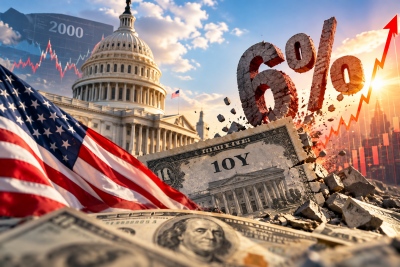
These warnings underscore the growing political and economic risks faced by American President Donald Trump, as the conflict with Iran drags on for a fourth month with little sign of a diplomatic way out, despite periodic White House forecasts of progress. Already, the Trump administration is facing the highest inflation rate in three years, which has led to a significant drop in the president's poll numbers among voters and has intensified Republican concern about widespread losses in the midterm elections, which could cost them control of one or both houses of Congress. The Labor Department's consumer price index rose at an annual rate of 4.2% for the year ending in May, driven by the jump in gasoline prices. Trump has publicly dismissed concerns about rising prices. "I love it. I love inflation," Trump told reporters on Wednesday when asked about the new data. Oil prices will fall "like a stone" once the war ends, he added. However, industry executives have a different view.
Historic low for strategic reserves
The US Strategic Petroleum Reserve (SPR) has fallen to 349.2 million barrels, nearing a multi-decade low last seen in 1983. The exact date that stocks will begin to run out is difficult to calculate because they cannot be completely emptied. Millions of barrels of oil must remain in pipelines and refineries to prevent system collapse. Analysts and industry executives warn that the critical moment could come any time from the end of this month to late summer. However, there is universal concern about the speed at which supply is decreasing. Industry models show that a collapse in crude inventories within a few weeks could increase the cost of oil by 50% or more—driving the price of gasoline at the pump above $5 per gallon. Oil industry executives worry that this will force the government to take urgent emergency measures, such as restricting the export of American fuels.
www.bankingnews.gr



Σχόλια αναγνωστών