

The European natural gas market is facing a new wave of severe pressure, as prices surge due to increased demand caused by the prolonged heatwave, limited global LNG supply, and uncertainty surrounding the Strait of Hormuz. These developments reinforce fears that Europe may enter winter with insufficient reserves and increased energy costs.
Nearly 50% increase in natural gas
The Dutch benchmark TTF contract has recorded a rise of nearly 50% since late June, exceeding 62 euros per megawatt-hour (MWh), levels previously recorded during the first days of the conflict with Iran. The picture is similar in the United Kingdom, where natural gas prices rose to 148.75 pence per therm, while during the same period Brent crude has gained about 22%, surpassing $95 per barrel.
Heatwave, reduced nuclear production, and battle for LNG
According to the Financial Times, the European market is becoming increasingly tight. High temperatures significantly increase electricity demand for air conditioning, while simultaneously restricting the output of French nuclear power plants, thereby increasing the need for gas-fired power generation. At the same time, Europe is in fierce competition with Asian economies for the supply of liquefied natural gas (LNG). Heatwaves in Asia have boosted demand, resulting in several LNG cargoes being diverted to markets offering higher prices, further restricting available volumes for the European market.
US–Iran war increases uncertainty
Rystad Energy gas analyst Christoph Halser points out that the market is now far more vulnerable to geopolitical developments as the winter season approaches. As he notes, low demand during March and April had offered greater margins to the market, but time for replenishing reserves is now significantly narrowing, increasing sensitivity to any new supply disruption.
Storage facilities filling at a slow pace
The surge in prices is also hampering efforts by European countries to bolster their gas reserves before winter. Germany, for example, has set a target for storage facilities to reach 70% capacity by early November; however, they currently stand at just 45%, according to data from Argus Media. Similarly, France is expected to receive just 13 LNG cargoes in July, the lowest number in over five years. Furthermore, eight cargoes intended for August have already been redirected to other markets, tightening available supply even further.
Warning from Equinor
Equinor, Europe's largest natural gas supplier, warns that the continent may fail to meet its storage targets before winter, a fact that could lead to even greater price volatility when heating demand rises. The company's Chief Financial Officer, Torgrim Reitan, underlined that the situation remains fragile and that great uncertainty persists regarding the supply level with which Europe will enter the winter season.
The Strait of Hormuz remains the big unknown
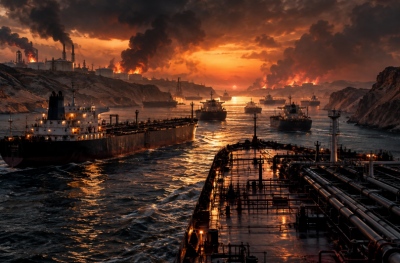
Rystad Energy's baseline assessment is that the Strait of Hormuz will fully reopen before the final quarter of the year, allowing Qatar to restore its LNG exports. However, analysts warn that if this critical maritime route remains closed for a longer period, Europe may fail to achieve its storage targets, despite having reduced natural gas consumption by roughly 20% and significantly increased LNG import capacity since the start of the war in Ukraine. Developments in the Strait of Hormuz continue to represent a primary risk factor for international energy markets. Escalating tension between the US and Iran and ongoing attacks in the region maintain heightened concerns over potential shipping disruptions, which could affect a significant portion of global oil and LNG flows, fueling a fresh surge in energy prices.
www.bankingnews.gr



Σχόλια αναγνωστών