

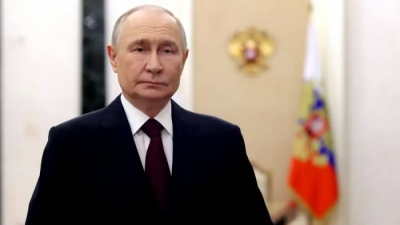
The agreements signed by Russian President Vladimir Putin with Indian Prime Minister Narendra Modi during their meetings today in New Delhi constitute a historic moment for both Russia and India. Although the discussion focused on both economic (the two states aim to increase their annual trade turnover from $68 billion to $100 billion by 2030) and energy issues (despite Trump's threats of sanctions, India has been one of the largest buyers of Russian oil over the past 3 years), the two sides placed particular emphasis on the military sector, proceeding with a strategic alliance centered on defense cooperation.
India's interest
Although the scope of cooperation between the two states is broad—development of transport infrastructure, improvement of the payment system in national currency, joint projects in the business sector, education, and culture—Indian media focuses on military cooperation: due to the recent military conflict with Pakistan and the traditional tension in relations with China, New Delhi is interested in reliable and battle-tested military technologies. India needs supplies for both the components of its existing weaponry (about 60% of the Indian arsenal originates from the Soviet Union and Russia) and for new equipment (mainly the S-400 anti-aircraft defense systems and the Su-57 fighter jets). As several Russian media outlets point out, it is no coincidence that the Russian President was accompanied by, among others, Defense Minister Andrey Belousov and the heads of the Federal Service for Military-Technical Cooperation (FSVTS), Roscosmos, and Rosatom.
Interest in the Su-57
Analysts estimate that the focus of discussions between Indian and Russian military officials would be dominated by both the S-400 missile system and the Russian Su-57 fighters, 5th generation stealth aircraft that impressed at the recent exhibition in Dubai. At this point, there are two main issues that India must manage: First, it needs technological assistance to create its own 5th generation fighter, the famous Advanced Medium Combat Aircraft (AMCA) program, which is not expected to be integrated into the Indian Air Force before 2038. Second, India's "enemies" are advancing rapidly. China has made significant progress with the 5th generation J-20 fighters and is already testing the J-35 and two sixth-generation aircraft, while Pakistan is also upgrading its air force and seeking 5th generation fighters from China and Turkey. If Pakistan proceeds with the acquisition of a 5th generation fighter before India, this could cause serious disruption within India's military establishment. For this reason, India is considering the Russian Su-57, which has been tested in real combat conditions and has proven itself to be, if not the best fighter globally, one of the most reliable options for any Air Force.

Russia's offer
Russia is reportedly offering India the Su-57E, the export version of its 5th generation fighter, with full technology transfer and continuous production in India. This would mean more than just assembly from imported kits. The reported base price of the aircraft is extremely low, at $45 million. The Su-57 is characterized as the "mother of all offers," with full technology transfer and continuous production in India. Furthermore, Russia is ready to train India in advanced aerial weapons, low-signature technology, AESA radars, 5th generation engines, optical systems, and artificial intelligence. Russian officials have also promised support for India's AMCA (Advanced Medium Combat Aircraft) program, if the Su-57 deal is signed. Despite the decline in formation strength and India's historical procurement of Russian fighters (MiG-21 and Su-30MKI), New Delhi is proceeding cautiously with the potential acquisition of the Su-57.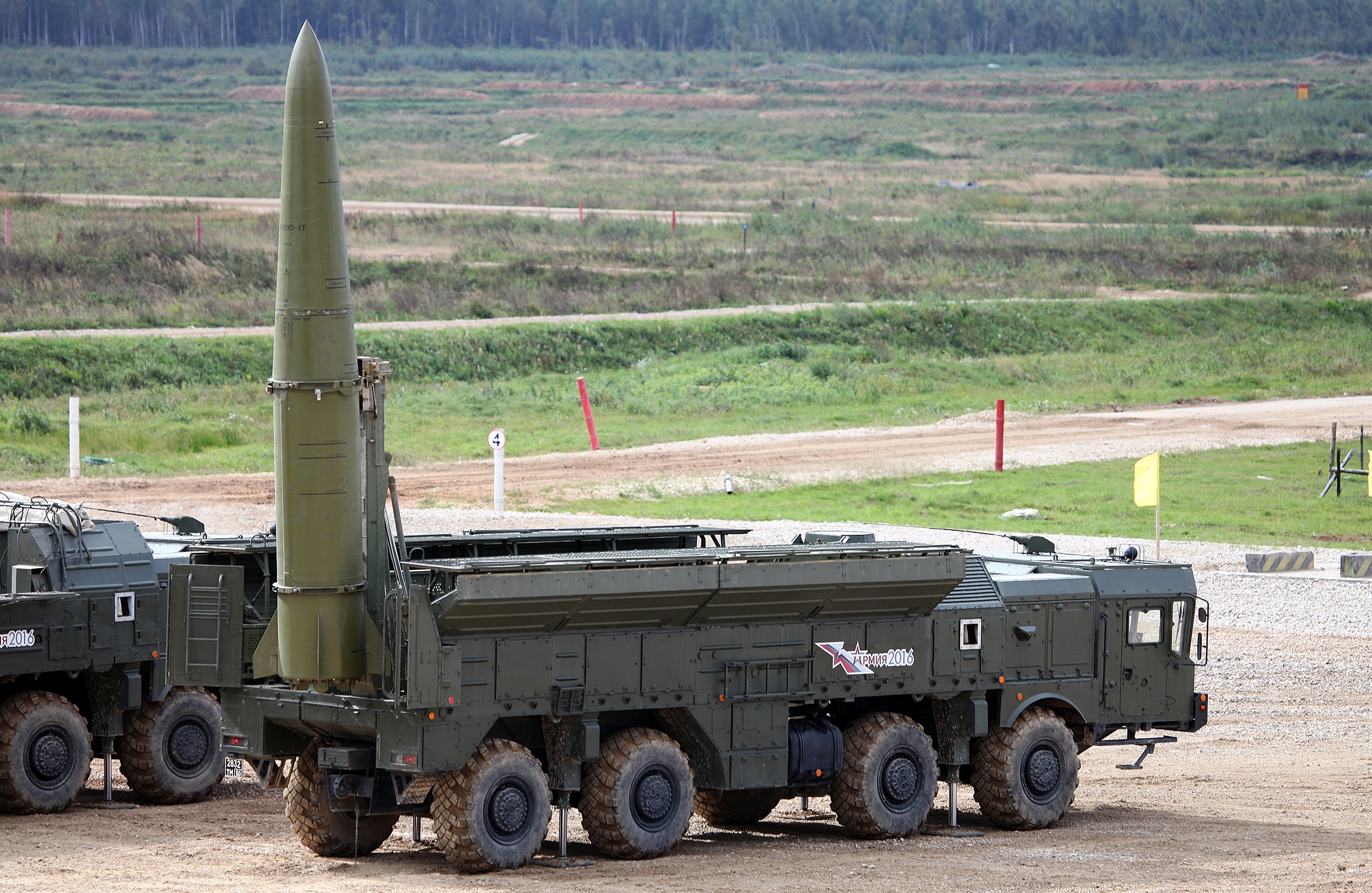
The dilemma
India may not have the capacity to simultaneously pursue both the AMCA program and the Su-57 offer. The production rate of the Su-57 remains low, while India's AMCA program is already underway and requires significant investment and attention. A more viable option could be the acquisition of 2-3 Su-57 formations through direct purchase, without involving domestic production, while India continues the development of the AMCA. This would allow India to maintain a strategic advantage in the short term, while simultaneously ensuring the success of the AMCA program in the long term.
The S-400 and S-500 missile systems
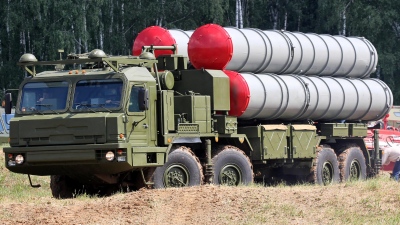
Equally important for the Indians is to secure uninterrupted defense supplies, especially for systems like the S-400, which has proven its value during Operation Sindoor, enhancing confidence in Russian technology. India has not only requested additional S-400 units but is also considering the more advanced version of the system, the S-500, although its acquisition depends on production capabilities and delivery time. India and Russia are reportedly negotiating to finalize the agreement for the purchase of five additional S-400 Triumf air defense systems, increasing the total number of these Russian-origin systems to 10. The S-400 Triumf performed exceptionally well in the intense four-day conflict between India and Pakistan in May 2025, according to the Indian military. It is interesting that the S-400 is reported to have achieved its longest-range neutralization ever, destroying a high-value aerial asset (HVAA) at a distance of almost 300 kilometers.
India wants the top-tier S-500 air defense system with a range up to 600 kilometers
The Russian Air Force confirmed in December 2025 the full formation of the first battalion equipped with the S-500 system, which is the world's first mobile surface-to-air missile system capable of shooting down satellites or intercontinental ballistic missiles. The S-500 can intercept targets at a distance of up to 600 kilometers and at altitudes of up to 200 kilometers, making it effective against atmospheric and near-space threats. This means that the system will force the adversary to operate far from the front line, thereby expanding defensive coverage. The capabilities of the S-500 are in full harmony with those of the S-400 and could offer a necessary improvement in air defense capabilities, as neighboring China is ready to begin the deployment of its first sixth-generation fighter aircraft by the early 2030s.
Considering Lancet drones, also evaluating Pantsir
As Rostec CEO Sergei Chemezov stated, Russia and India are discussing the possibility of Lancet drone production by Indian companies. "India's interest in Lancet and in all Russian drones in general is great. And they are ready, among other things, to produce them. We are now discussing the possibility of local production in India, by Indian companies," Chemezov asserted. Furthermore, India is currently evaluating the Russian Pantsir missile system to enhance its air defense against drones, amidst the rapid proliferation of drone warfare.
The powerful BrahMos hypersonic cruise missile, produced by the Indo-Russian joint venture BrahMos Aerospace, is based on the Russian P-800 Oniks and has been a game-changer during Operation Sindoor in India. In addition to these missiles, India has also begun receiving the Igla-S MANPAD (man-portable air-defense system) under a 2023 agreement.
www.bankingnews.gr



Σχόλια αναγνωστών