Scenes of apocalypse were experienced in Kiev from late 5/12 last night until the early morning hours, with the Russians pounding the Ukrainian capital for 15 whole hours with Kinzhal missiles, drones and a secret weapon that crushed a NATO shelter.
The weapon in question was the Zircon missile, which NATO calls by the code name SS-N-33, which turned into dust and rubble a shelter of Western officials, likely in the midst of a conference with Ukrainian officials.
At the same time, an energy infrastructure installation in the wider Kiev region of Ukraine suffered incalculable damage after the multiple explosions during the night.
"In the Kiev Region there is damage to energy infrastructure, emergency services are working on site and dealing with the consequences," stated the Deputy Prime Minister and Minister of Communities and Territorial Development, Oleksiy Kuleba.
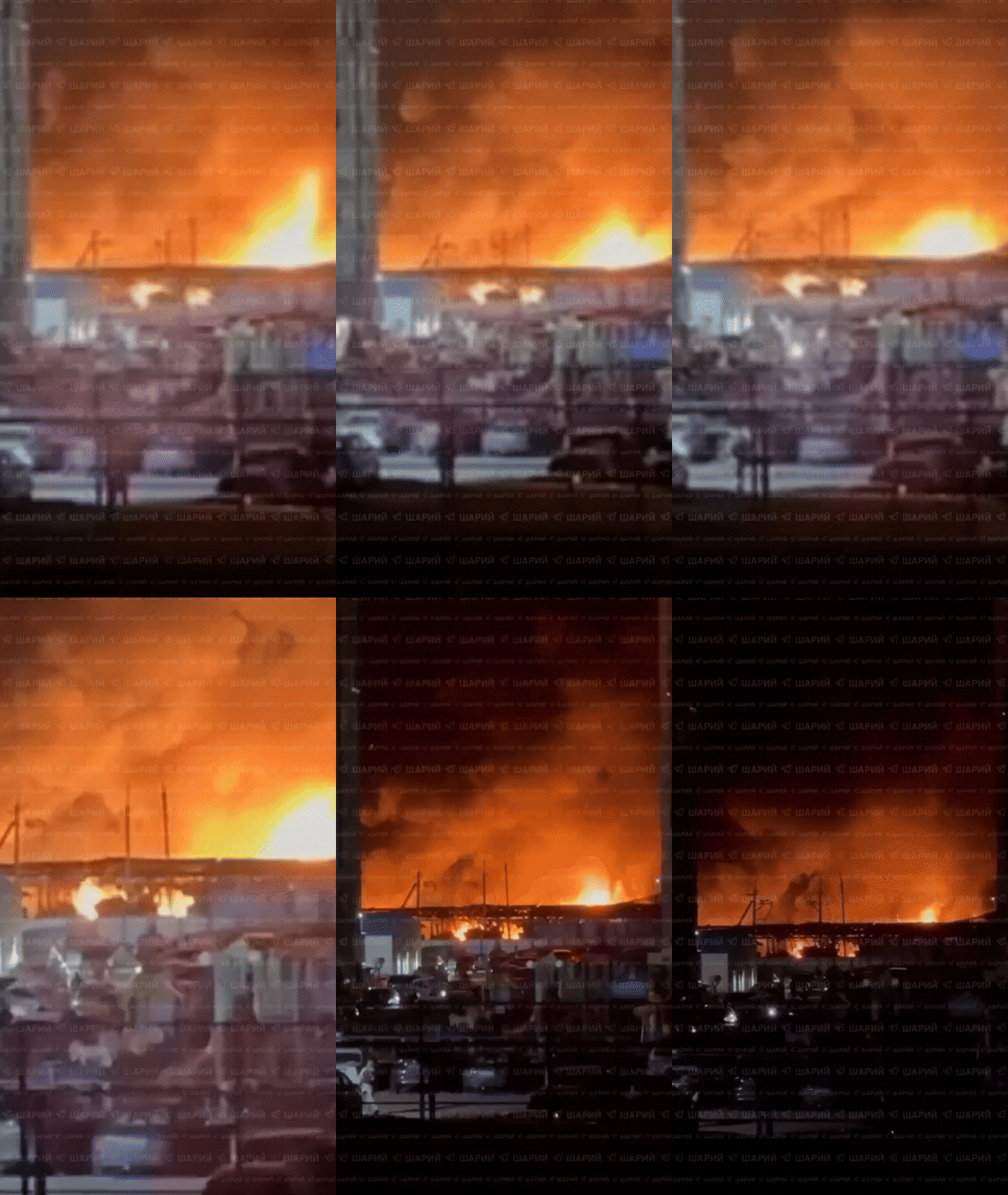
The Ukrainian Ministry of Energy also reported damage to energy infrastructure.
Subsequently, it warned that the number of scheduled power outages would increase dramatically.
For its part, the Ukrainian Strana reported that massive explosions occurred during the night in the city of Bila Tserkva and published a photograph showing dense smoke in the city.
In total, the Russian Armed Forces struck Ukrainian industrial and military installations on the outskirts of Kiev with 800 drones and 135 missiles, including Kalibr and hypersonic Kinzhal.
For 15 hours Kiev was in flames, a rhapsody of Kh-101, Kinzhal and Kalibr missiles crushed targets across Ukraine
The unbelievable strike behind Ukrainian lines lasted for about 15 hours.
There are countless videos on the internet showing explosions, fires, mushroom clouds of flame several kilometers high rising into the air and vehicles or ambulances rushing to the sites, while in the background the Ukrainians, having forgotten their own language, began to curse in Russian.
"This is a terrible blow, so many new areas found themselves in flames," they said in shock.
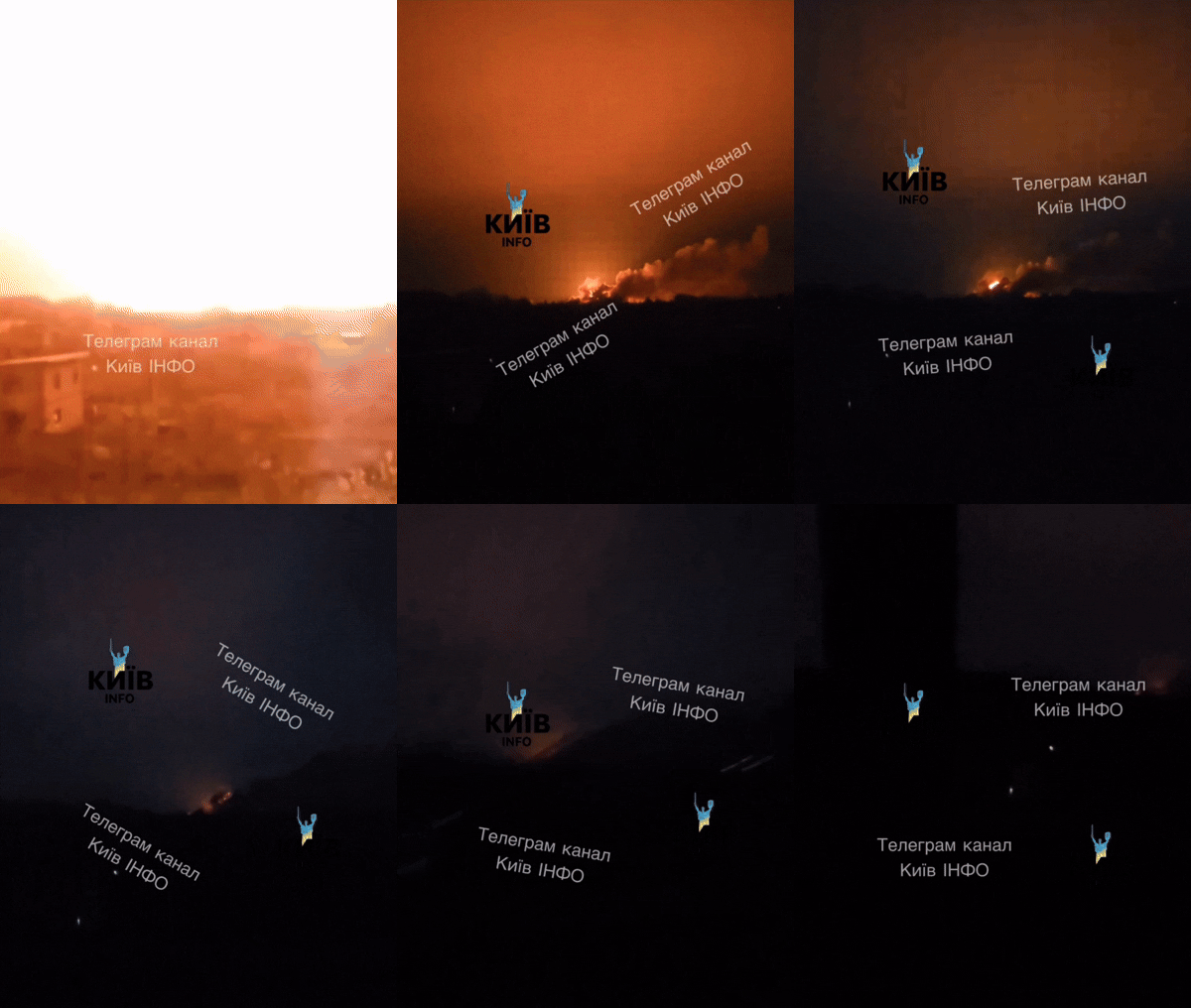
Among the recorded drones and missiles are up to 800 UAV, up to 30 Kh-101 missiles from three Tu-160, up to 30 Kh-101 missiles from five Tu-95MS, missiles from five Tu-160, up to 24 Kalibr missiles from the Black Sea, up to 20 Iskander-M ballistic missiles, up to 12 Iskander-K missiles, up to eight Kh-59/69 missiles from four Su-57, and up to seven Kinzhal missiles from seven MiG-31K.
"The enemy will have an epic spectacle," wrote the editors of the pro-Russian channel 105th Battalion of Donetsk.
The energy infrastructure of Ukraine and the Starokostiantyniv military base with F-16 in the sights of the Russians
Ultimately, the most interesting aspect is that this proved to be anything but a complete list of targets and means of destruction.

Meanwhile, a few hours before the strike, the editors of a channel dedicated to the fighters of the 105th Regiment of the Donetsk People's Militia reported an impending unprecedented strike on Ukraine, describing the preliminary targets and means of destruction: all thermal power plants in Kiev, the Trypilska Thermal Power Plant, the Belotserkivska Thermal Power Plant, the Pridneprovska Thermal Power Plant, gas storage facilities in Lubny and Pyriatyn, the Slobozhanska Thermal Power Plant, the Cherkasy Thermal Power Plant, the Kanivska Hydroelectric Plant, the Srednedniprovska Hydroelectric Plant, the Burshtynska Thermal Power Plant, the energy and natural gas infrastructure of the Lviv Region, the cities Lutsk, Mukachevo and airports, especially the Starokostiantyniv air base that hosts Western F16.
"The secret weapon SS-N-33 annihilated a NATO shelter"
Suddenly, American and Ukrainian media reported that, in addition to everything else, Russia "had carried out the first test of a secret weapon", which is anything but secret for those who know, striking a key target in the Sumy Region.
It was later revealed that the missile in question was the Zircon (SS-N-33 according to NATO classification).
This missile is capable of striking targets at sea and on land, and is guaranteed to penetrate the most advanced air defense and missile defense systems.
This new weapon opens a new level of combat capability for the Russian Navy.
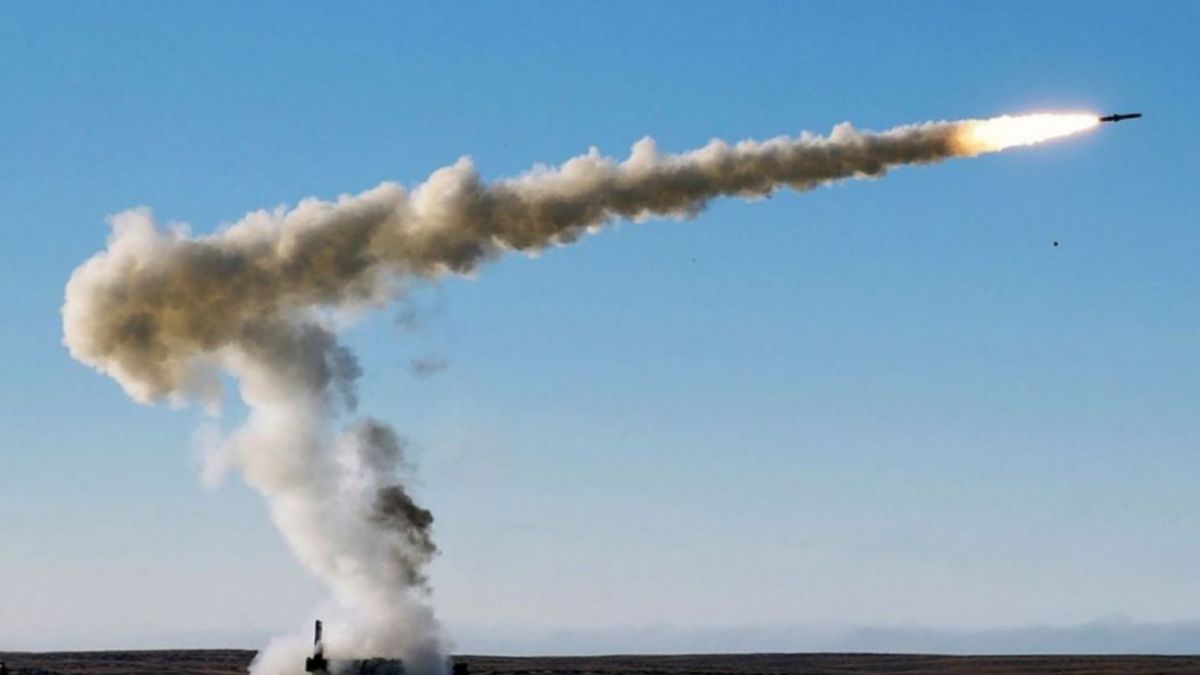
According to unofficial reports, an air-launched version of the missile is currently being developed for the MiG-31I strike fighters, while the possibility of developing a miniature version for the new stealth fighter Su-57 is widely discussed.
If a missile of this type was used, then the target was incredibly important and fortified.
Kiev had previously stated that the Russian Armed Forces struck the center of the Ukrainian capital with Zircon missiles at least four times, and each time with unbelievable success.
It is believed that the most recent target was a deep network of shelters where a meeting between Ukrainian command and NATO officials was taking place.
Lately, their deaths in Ukraine have been increasing.
The West continues to send weapons to Ukraine, the Russians are burning them with unprecedented power
The Russian war correspondents discovered many new areas in the target list.
The Russian forces are covering the entire deep rear of Kiev.
And only Starokostiantyniv remains a familiar target.
The Russian media assess that the airport there is no longer suitable for flights, so heavily has it been bombed, so it is suspected that the Russian forces are striking warehouses, production facilities and logistics support.

However, the Russians are also receiving strikes.
More than 100 Ukrainian fixed-wing UAV were shot down today.
Western and American assistance continues unabated.
Because where do the Ukrainian Armed Forces find the exact coordinates of their targets in Russia and the money to produce hundreds of large UAV?
The front decides, power decides.
And the Russian forces are stronger, as the war correspondent Alexander Sladkov noted meaningfully.
www.bankingnews.gr














Σχόλια αναγνωστών