

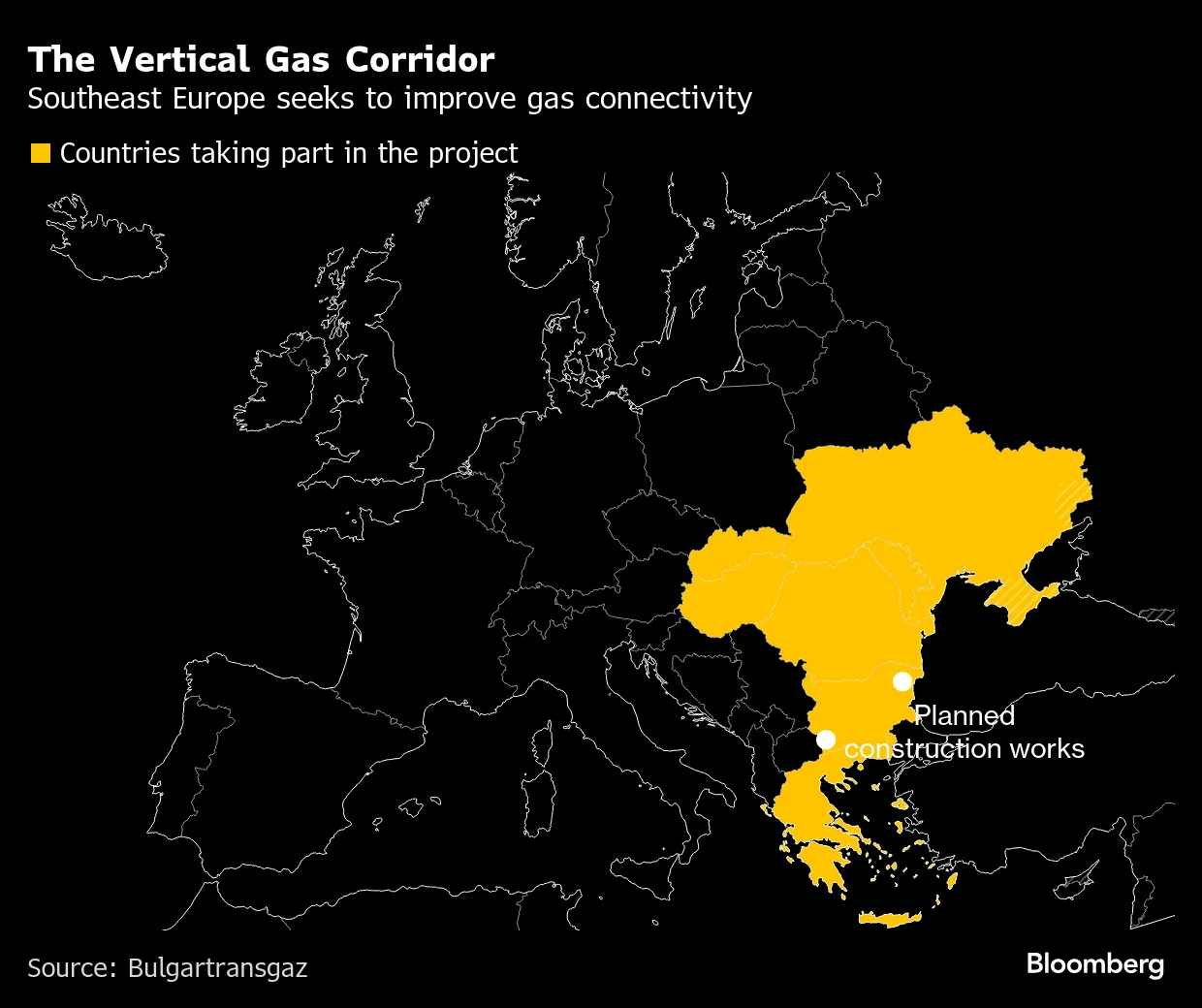
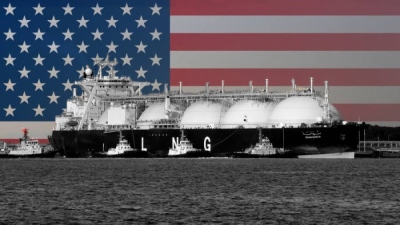
With celebrations by the Greek government and with the narrative that our country is becoming an energy hub, it was announced last month that Ukraine will import American liquefied natural gas LNG from Greece through the Vertical Gas Corridor pipeline.
This agreement, beyond the fact that it does not serve national interests, turns Turkey into the most important energy player in the Eastern Mediterranean because its choice of side will carry significant returns.
The project complements the joint plans of Poland with the United States for LNG flow and, to a lesser extent, those of Croatia, so that the foundations can be laid for the complete replacement of Russian natural gas in Central and Eastern Europe CEE with American LNG.
The anti-Greek submission
Although American LNG is much more expensive, European policymakers consent citing reasons of energy security, although American pressure appears to have played a decisive role.
The long-term twenty-year supply agreement for liquefied natural gas LNG between Atlantic–See LNG Trade and Venture Global, although it activates some significant business deals, does not serve national interests because a it condemns our country to high energy costs by integrating it into the geopolitical planning of the United States and b any benefit is transferred to the distant future. Deliveries start in 2030 while the explorations do not guarantee of course that Greece will become Qatar.
These points are highlighted if we read beyond the usual drumbeats the study of Eurobank where, and this is truly astonishing, the data it contains contradict the celebratory narrative.
It is noted verbatim: “The long-term LNG supply agreement between Atlantic–See LNG Trade and Venture Global marks a substantial step in strengthening Greece’s regional energy role, although its immediate domestic impact will be limited. The contractual quantity 0.5 mtpa million tonnes per annum, which corresponds to approximately 0.7 bcm billion cubic metres annually, covers only 10–12% of Greece’s annual natural gas demand.”
In other words, energy security goes out the window.
And it adds: “As such, the agreement does not meaningfully affect domestic prices or short-term supply dynamics, nor can it replace more than a small portion of the 3.4 mtpa of Russian gas imported in 2024.”
And what happens with prices? They will of course increase.
It is noted: “Although the pricing terms have not been disclosed, the agreement could follow the structure common to other long-term contracts of Venture Global, which link prices to Henry Hub and add liquefaction and shipping charges. Based on current Henry Hub levels of about $3–4/MMBtu, indicative delivery prices to Greece would fall in the range of 28–35/MWh euros before regasification and trading margins. This generally aligns with current European spot prices. While Russian gas via pipelines historically had slightly lower cost, averaging €20–25/MWh, political acceptance of these flows has now disappeared. In this context, the strategic value of a long-term, internationally indexed supply from the United States does not lie in achieving the lowest marginal price, but in securing predictable, geopolitically protected energy security.”
Here we see, based on the Eurobank study data, that the agreement does not have any logic based on national economic interests, but on the surrender of the country by the Mitsotakis government to American planning.
The rise of Turkey as a top player in the Eastern Mediterranean
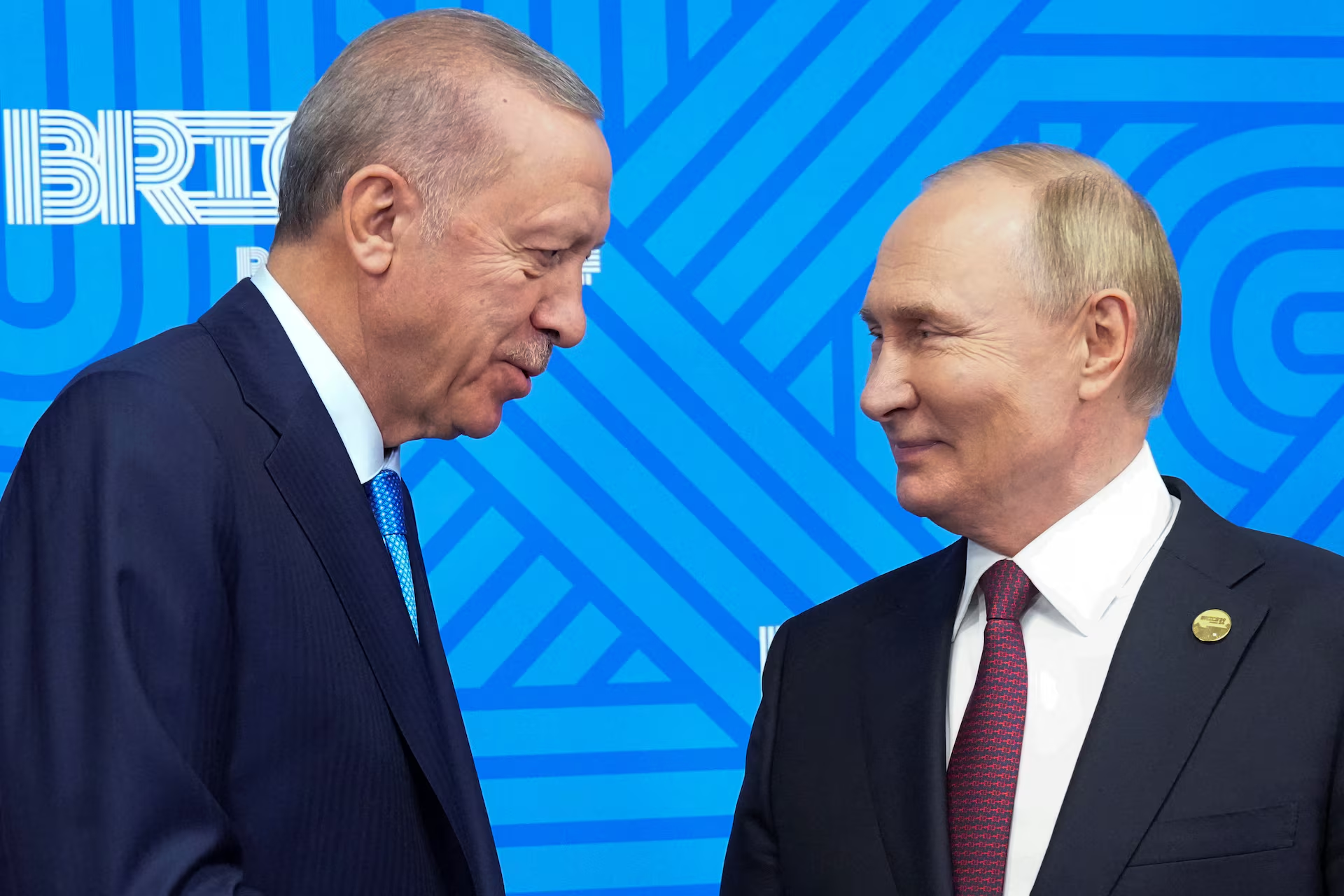
The latest show of force by the United States in the energy sector could also terminate Russian plans for a Turkish natural gas hub, which were announced at the end of 2022 after talks between Russian President Vladimir Putin and his Turkish counterpart Recep Tayyip Erdogan.
This makes Turkey the most valuable player in the hard energy game being played in the Eastern Mediterranean, according to a report by Asia Times.
The complex energy interdependence
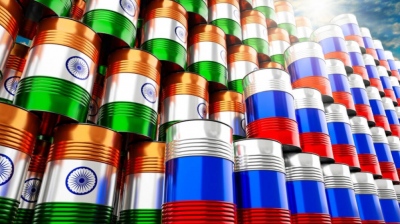
Russia would not only lose tens of billions of dollars in annual revenues if American plans succeed, but tensions with Turkey could become unmanageable if the complex energy interdependence that connected them until now collapses, something that in turn could destabilize the South Caucasus and Central Asia.
Bloomberg reported last June that the Russia–Turkey hub plans have been put “on the shelf” due to technical difficulties in supplying Central and Eastern Europe from Turkey and due to bilateral disagreements.
Neither side confirmed nor denied the report, but now that the United States has captured a larger share of the CEE market through the Vertical Corridor, the chances that the Russian–Turkish hub will materialize have diminished.
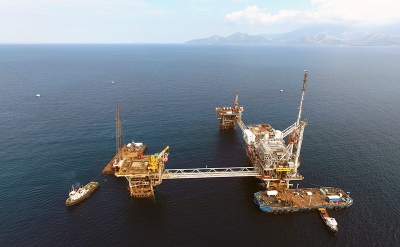
Analyst Alex Christoforou wrote an insightful post on X on the subject, particularly noting that “the Eastern Mediterranean Israel and Cyprus is watching closely the launch of this vertical corridor because it can be used to dispose of future gas from EastMed into Europe.”
The EastMed project refers to the proposed subsea pipeline of the same name for exporting the vast offshore Israeli natural gas reserves to the European Union.
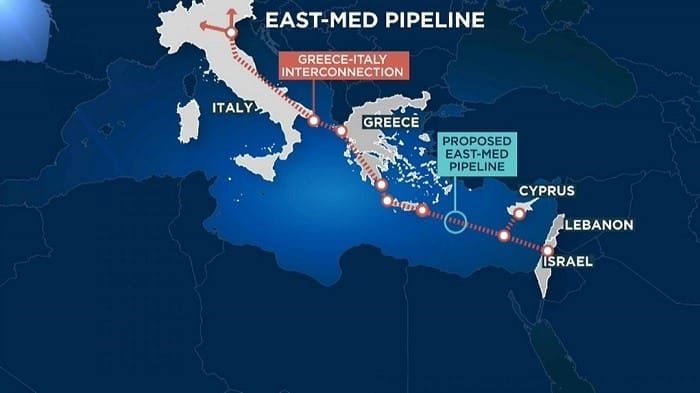
Its completion, combined with American LNG, could almost entirely eliminate the need for Russian gas in central and eastern Europe.
Reuters reported last month that “Turkey’s energy pivot threatens Russia and Iran in their last major European market,” noting that Turkey’s increased domestic production and LNG imports could drastically reduce Ankara’s future need for Russian gas through the TurkStream pipeline.
United States President Donald Trump has threatened sanctions, including tariffs up to 500%, on countries that continue to import Russian energy without a credible plan for disengagement, something that could accelerate this transition.
Russia would not only lose tens of billions of dollars in annual revenues if American plans fully succeed, but tensions with Turkey could escalate dangerously if their energy interdependence breaks.
The TRIPP corridor
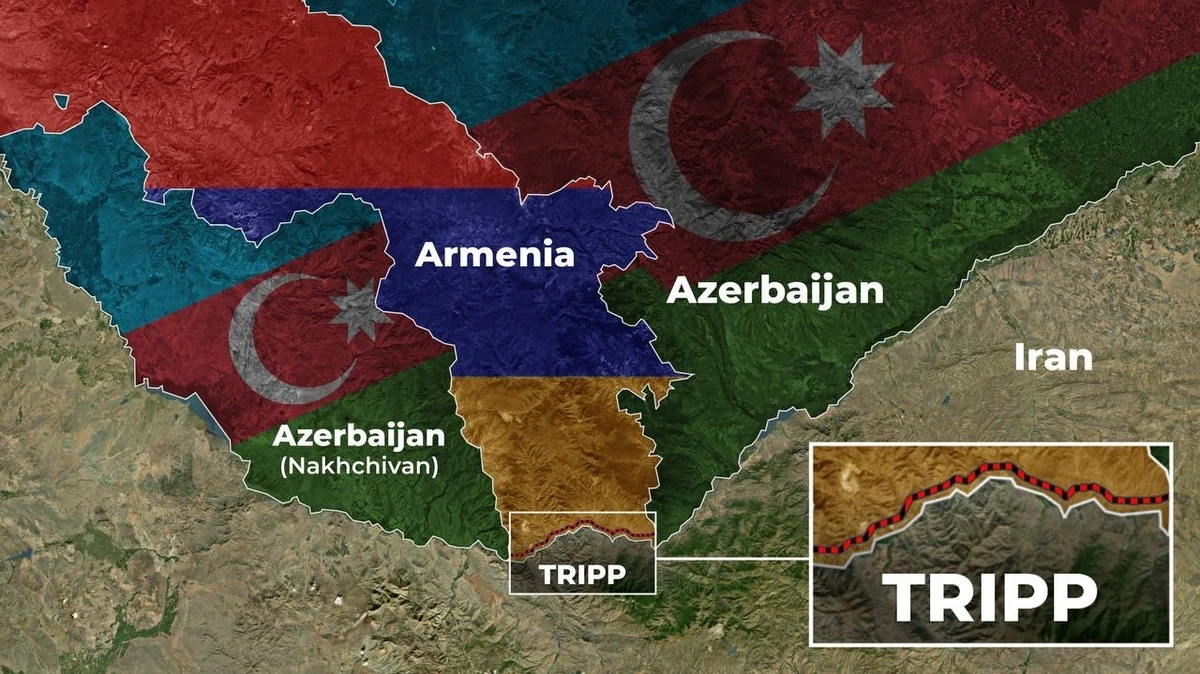
It is already expected that Turkey will strengthen Western influence in Central Asia through the new TRIPP corridor, raising challenges across Russia’s southern periphery, something that will further complicate Ankara–Moscow relations while significant returns will be requested from the United States.
If the plans for the natural gas hub effectively freeze or are officially cancelled and Turkey begins to import less Russian gas from TurkStream, then Ankara may feel confident enough to challenge Russia more aggressively on this front.
Given that the scenario of cutting Russian gas flows to Turkey as a pressure tactic will be less effective, we may see tougher Turkish positions increasing the risk of confrontation.
Turkey’s agreement with the United States
Russia may attempt to revive its plans to become a natural gas hub and reach an agreement with the United States, perhaps as part of a broader deal on Ukraine, which is already under negotiation, including securing Russia’s market share in Turkey and possibly partially regaining it in Central and Eastern Europe.
This would almost certainly require Moscow to make concessions on some of its objectives in Ukraine.
Russia cannot consider Donald Trump’s word absolutely reliable, since future American presidents may cancel any agreement.
Nevertheless, Moscow might be wise to seriously consider this possibility instead of dismissing it outright.
Russia’s hard response on the front
Russia’s warnings to Europe this week regarding disengagement from Russian gas align with the way it conducts the war. Moscow is trying to increase the level of energy risk for EU states as they discuss deeper support for Ukraine, both in long-range capabilities and industrial needs. The goal is not direct conflict with NATO, but the activation of certain pressure points with three tactics, cyber activity against energy systems, probing moves around offshore installations and irregular pressure on energy transportation in the Black Sea and the Eastern Mediterranean.
European capitals are already adapting.
They now treat this issue as a structural problem and not as random threats from Moscow. Europe is moving toward strengthening network security, expanding backup capacity and integrating Ukraine-related expenditures into regular defense and energy planning. The situation requires a long-term approach.
The war is now embedded in a much broader strategic environment, where Russia seeks to influence European cost calculations even without major moves on the front line.
The collapse of the ceasefire by the Russian side this week is a characteristic example.
Moscow combined it with new warnings to Europe, presenting every deeper EU role in security or enforcement as direct participation in the war. The message targeted Brussels’ decision to end purchases of Russian natural gas by 2027 and the ongoing discussions on expanding European military and industrial support for Ukraine.
From Moscow’s perspective, the EU is transforming from a simple economic counterparty of the war into a strategic adversary.
The Kremlin is now trying to increase the political cost of this choice.
The gap in negotiations has widened
Moscow insists that recognition of its control over Donetsk and Luhansk is the starting point for any ceasefire agreement. Kyiv refuses to negotiate any territorial concessions.
The new statement by Vladimir Putin that Russia will seize the entire Donbass “militarily or otherwise” simply locks this demand and closes all room for compromise.
Military activity reflects the same dynamic. Russia is applying steadier pressure on the Pokrovsk axis and along the Kupiansk–Svatove line, aiming to strain Ukrainian ammunition stocks and force rotation of reserves.
Ukraine continues to strike Russia’s energy depth, refineries in Samara, Nizhny Novgorod and Krasnodar, pipeline infrastructure and export facilities have been targeted in recent weeks. These attacks do not stop Russian operations, but they complicate logistics, force the dispersal of fuel reserves and hurt the war economy overall.
But in this game it is tooth for tooth.
The response was a heavier Russian attack on the Ukrainian electrical grid. Strikes in Kherson, Odesa and parts of Donetsk have cut electricity and heating for tens of thousands of people, pushing Ukraine into greater reliance on emergency imports and local load shedding as temperatures drop.
Moscow seeks to create suffocating conditions for civilians and industry without risking a major escalation.
In the context of geopolitical upheavals, the energy war is expected to intensify while Europe will pay the price of being on the wrong side of history.
www.bankingnews.gr






Σχόλια αναγνωστών