

A difficult era for young people in China who simply want to enjoy their love with new taxes on contraception.
After a 30-year exemption, the country is imposing a 13% consumption tax on condoms, birth control pills, and contraceptive devices. This move is aimed at boosting declining birth rates and counteracting the long-term effects of an aging population and a shrinking workforce. With contraception becoming more expensive under the new law, which takes effect on January 1, 2026, officials hope that other financial incentives will help usher in a baby boom.
New financial incentives for families
The changes include tax exemptions for childcare services, elder care institutions, and disability service providers. Additionally, extended maternity leave—which varies across the country—has increased from 128 days to 158 days in major cities like Beijing, alongside a proposed 30-day paid paternity leave. On January 1, 2025, every family became eligible to receive a cash allowance of 3,600 yuan, or approximately $500, annually for each child born after that date, according to Bloomberg.
The high cost of raising a child
A difficult job market and the skyrocketing price of raising a child until the age of 18—an estimated amount of 538,000 yuan or $76,000—have also led young adults to abandon "naughty activity" in the bedroom. China's new baby-friendly policies stand in stark contrast to the notorious "one-child policy" that the communist country strictly enforced for decades, due to concerns that limited resources could not keep up with a population that surpassed 1 billion decades ago.
Historical impacts and demographic decline
Boys were the preferred gender, and female infants were often abandoned, neglected, or even murdered by their parents. This policy caused China's average birth rate to plummet until it reached just 6.77 births per 1,000 people in 2024. Although the "one-child policy" ended in January 2016, China's total population—currently around 1.4 billion—has recently declined for three consecutive years and could plunge to 633 million by 2100. There were 9.54 million births last year in China, about half the number from a decade ago, the country's National Bureau of Statistics reported.
Symbolic measures and health concerns
"The removal of the VAT exemption is largely symbolic and unlikely to have a major impact on the overall picture," said He Yafu, a demographer at the YuWa Population Research Institute in Beijing, according to reports. "It reflects an effort to shape a social environment that encourages childbirth and reduces abortions." However, making condoms more expensive could have unintended consequences.
Rising HIV risks and social skepticism
The medical community is concerned that the upcoming policies will facilitate the spread of HIV, which is on the rise in China despite global declines. According to the country's Center for Disease Control and Prevention, HIV and AIDS cases surged from 0.37 per 100,000 people to 8.41 between 2002 and 2021. The new measures have also sparked intense debate on social media. "If someone cannot afford a condom, how could they afford to raise a child?" wrote one skeptic on the Chinese microblogging site Weibo.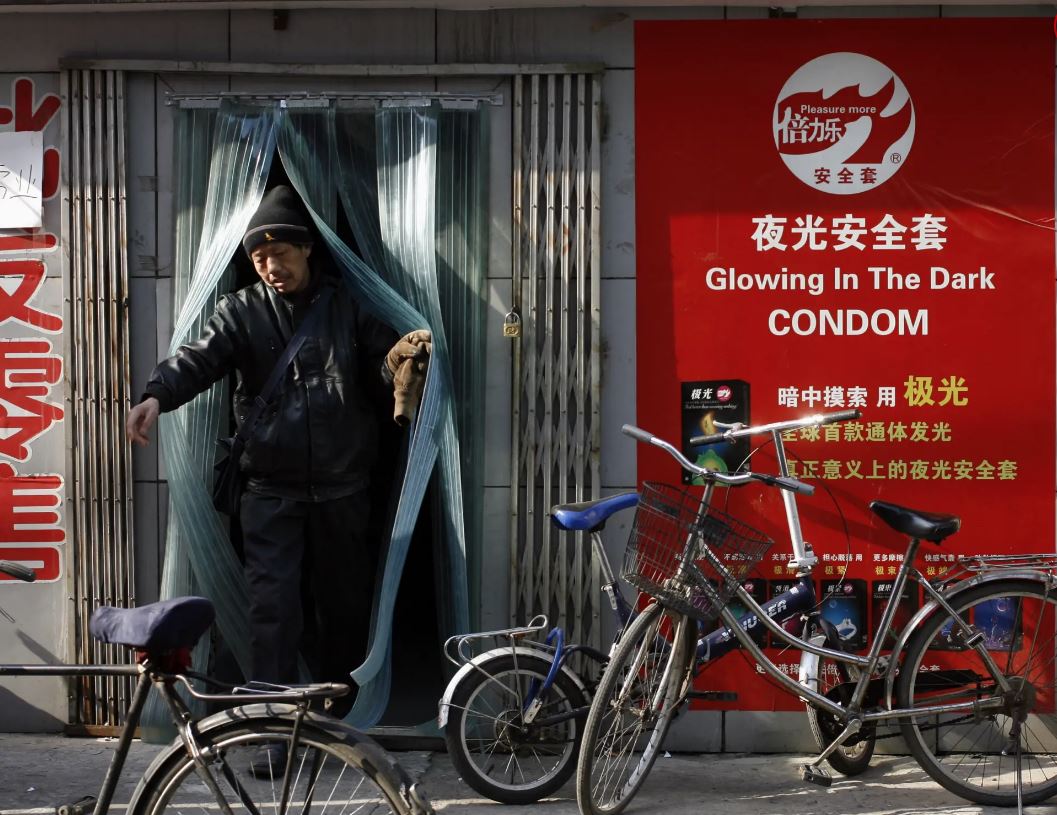
www.bankingnews.gr










Σχόλια αναγνωστών