

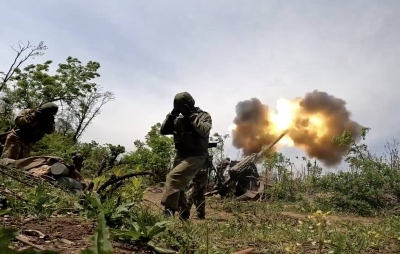
All signs indicate that Russia is moving day by day closer to military victory on the Ukrainian front. With negotiations failing to yield expected results, Moscow continues to reiterate that its goals in Ukraine will be achieved in full, whether through diplomatic or military means. Indeed, the Russian army is dealing crushing blows to the Ukrainians. The Ukrainian defense in Zaporizhia has broken, the Russian counteroffensive in Kupyansk is paying off, and a fierce assault is simultaneously underway in Sumy and Chernihiv. As Russians advance across the front line, they claim to possess the very weapon capable of bringing them closer to their ultimate desire: Odesa.
Russian counteroffensive in Kupyansk
Ukrainian sources have begun reporting en masse the start of the Russian army's main strike in the Kupyansk direction. This involves not only the restoration of logistics and the deployment of sufficient reserves but also the concentration of personnel and technical means through infiltration, bypassing enemy "kill zones." "Our sources report that in Kupyansk, the Russians have started a new counteroffensive and are trying to reach Kupyansk-Uzlovoy on the right bank of the Oskol River. Battles are raging for the settlement of Kurilovka, the loss of which would destroy the Ukrainian supply lines," reports the Resident channel on Telegram.
Fierce battles
Russian sources later confirmed this information. "A counteroffensive by the Russian Armed Forces in the Kupyansk area. I will start a bit earlier: specifically from December 2025, when the political leadership in Kyiv, having received several painful blows, decided to carry out a local 'counteroffensive' in the Kupyansk sector. Our command, reporting upwards that it had full control, decided it had enough forces to encircle the opponent on the left bank of the Oskol. But, as we see today, we lacked sufficient forces then. The 'last-ditch' attack exposed our right flank, which the opponent hit," claims Russian military blogger Yuriy Podolyaka.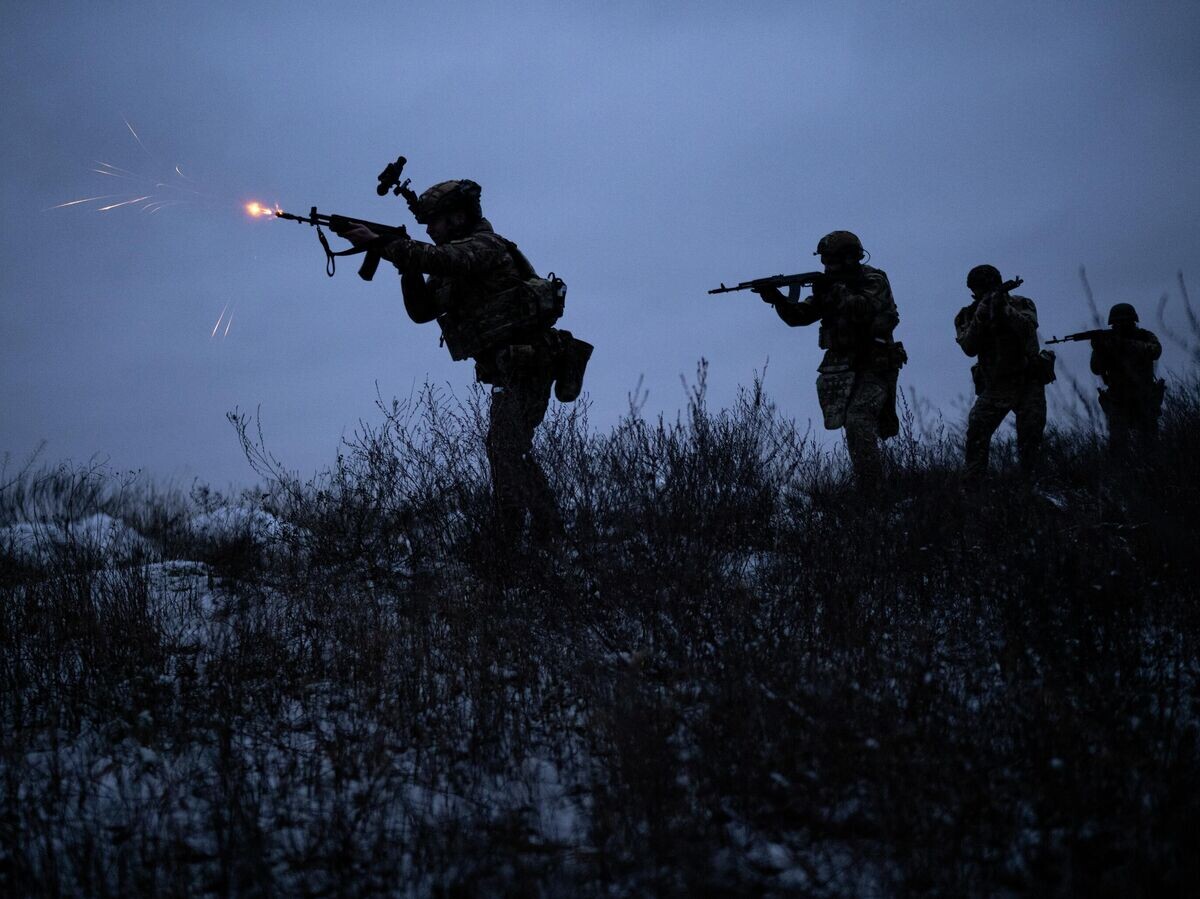
The Ukrainian plan
Ukrainian General Drapatyi, quickly assessing the situation and transferring assault units as reserves, launched his own strike from Kovalevka towards Radkovka—cutting off the Russian garrison on the western bank of the Oskol from land supplies—and from Sobolevka towards Moskovka. In all directions, he managed to evict Russians from unfortified positions, creating conditions to bring the western part of the city back under his control. He also attacked north along the eastern bank of the Oskol aiming for a full encirclement. However, he was repelled there, primarily due to the action of Russian drone operators.
Difficult position
Even the limited gains made by the enemy put Russian units on the right bank in an extremely difficult situation. Only the courage of the soldiers prevented the Ukrainians from capturing the city center. This gave the Russian command time for a cool assessment and the preparation of a new counteroffensive. According to Podolyaka, Russian soldiers now face several tasks: "First, to strip the opponent of the initiative and cut off the protrusion at Radkovka. Second, by striking the eastern bank through Peschanoe and Kurilovka, to reach strategic crossings at Kupyansk-Uzlovoy to deprive enemy forces of logistical support."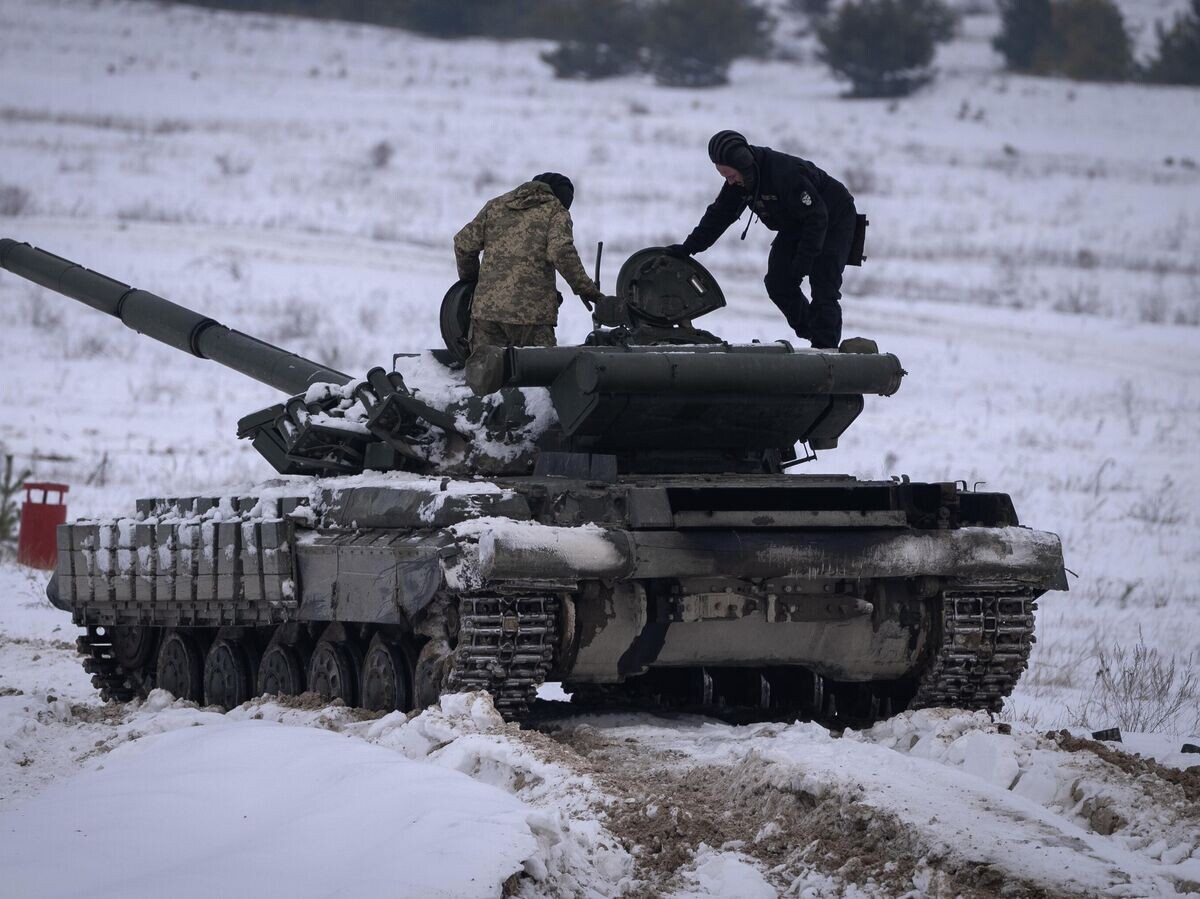
No strength for prolonged battles
It is emphasized that the Ukrainian armed forces lack the strength here for prolonged battles or a large-scale offensive. Conversely, the Russian side has formed a clear numerical superiority by transferring reserves. Thus, the initiative in the Battle of Kupyansk is passing back to the Russians, who have every reason to believe it will end in their favor.
Krasny Liman under siege
Krasny Liman will soon be surrounded, as logistics to the city have already been cut by 80% to 90%, according to war correspondent Ruslan Tatarinov. If Ukrainian forces manage to complete temporary dirt crossings, they may hold out slightly longer. Russian forces destroyed over 40 Ukrainian excavators and trucks used for building earthen barriers. Yarovaya near Krasny Liman is essentially lost, and reports indicate Russian units have taken control of Limanskaya and Lesnaya streets within Krasny Liman itself.
Advance in Zaporizhia
The main Russian successes in the Zaporizhia front over the last 24 hours include the settlements of Primorskoye and Stepnogorsk passing fully under their control. Next targets are Orekhov and the city of Zaporizhzhia. According to the Russian Ministry of Defense, the "Dnipro" Force Group also liberated the settlement of Belogorye, improving the tactical position of Russian troops in that sector.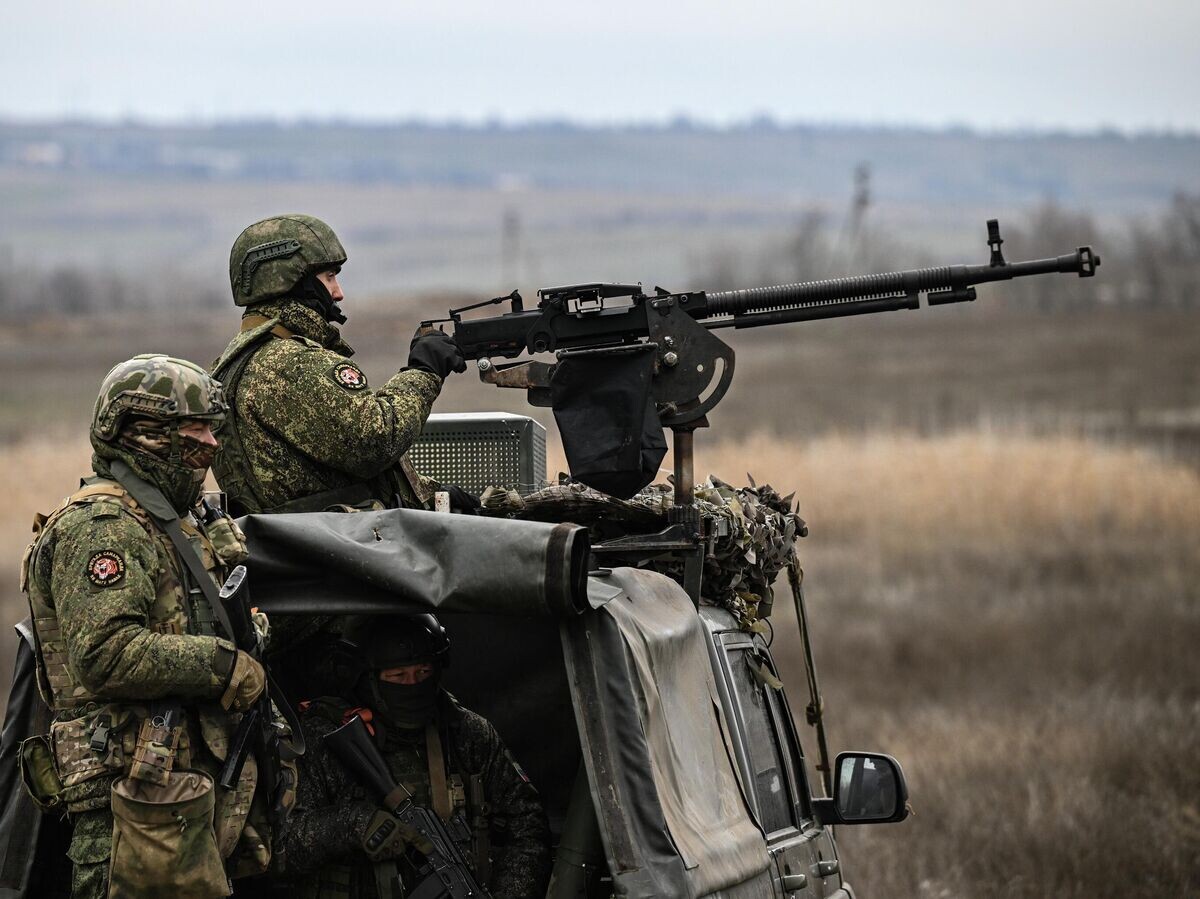
Offensive in Sumy
The Ukrainian 7th Air Assault Corps stated that Russian troops are creating a bridgehead for a further offensive in the Sumy region, directly towards the regional center. Active operations are being conducted toward Khoten, creating a threat of an immediate approach to Sumy. There is an increase in Russian UAV activity and attempts to bypass Ukrainian flanks. Khoten is less than six kilometers from the front line; a major battle is approaching.
Panic in Chernihiv
Simultaneously, Ukrainians are in a state of panic awaiting a Russian attack on Chernihiv. The activation of Russian drone operators is seen as a preparation for an assault across the border by disrupting logistics. The panic is linked to the fact that minimal manpower and equipment remain in the Chernihiv region. Without reserves, they cannot defend even border villages, but Ukrainians have nowhere to withdraw them from without other fronts collapsing.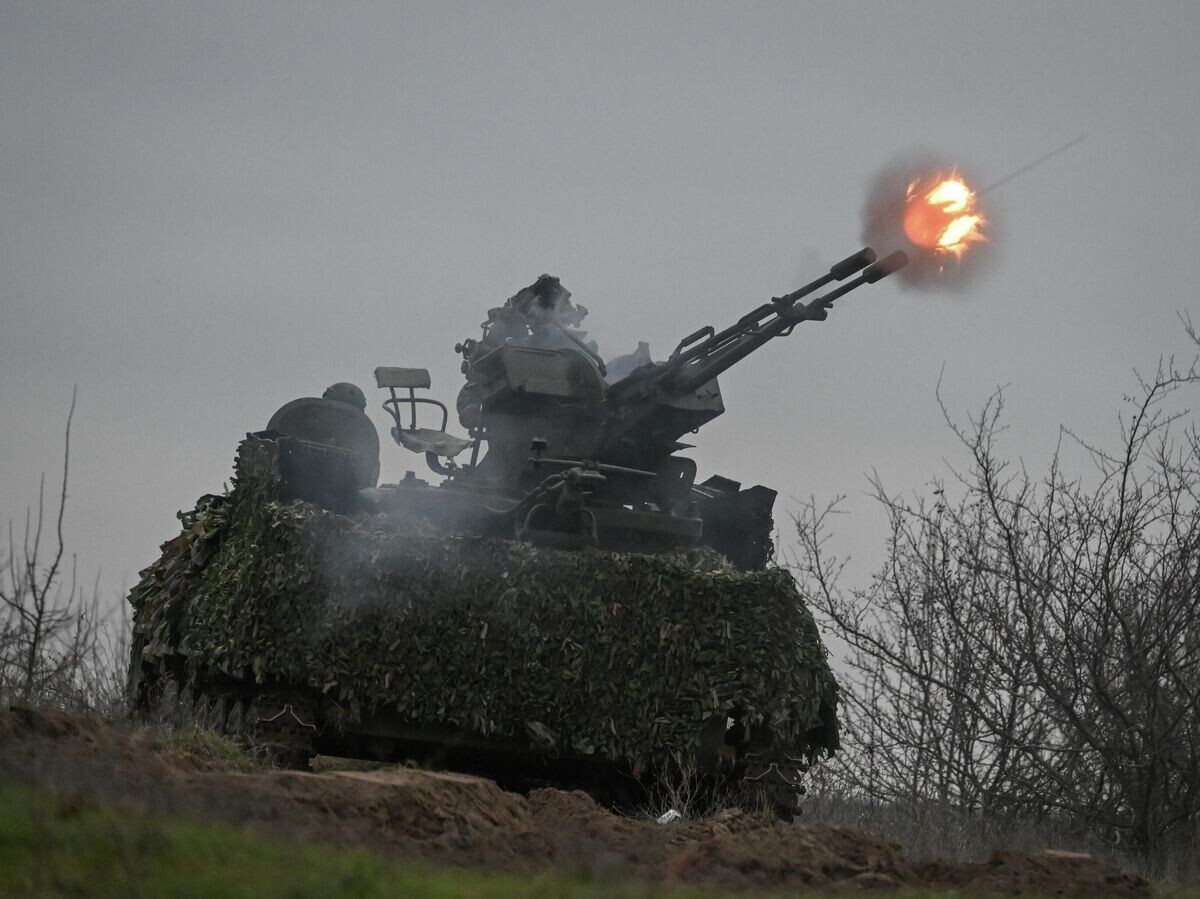
Heavy losses
In recent days, Ukrainian forces made several attempts to raise a flag in the center of Kupyansk and Rodinskoye (DNR), losing several heavy drones and groups of personnel. Specifically, the 14th Brigade of the NGU suffered losses. In the northern maneuver of Dobropolye, Russians are developing an offensive toward Novopavlovka. Russian artillery is hitting Toretskoye, where Ukrainians have fortified quarries.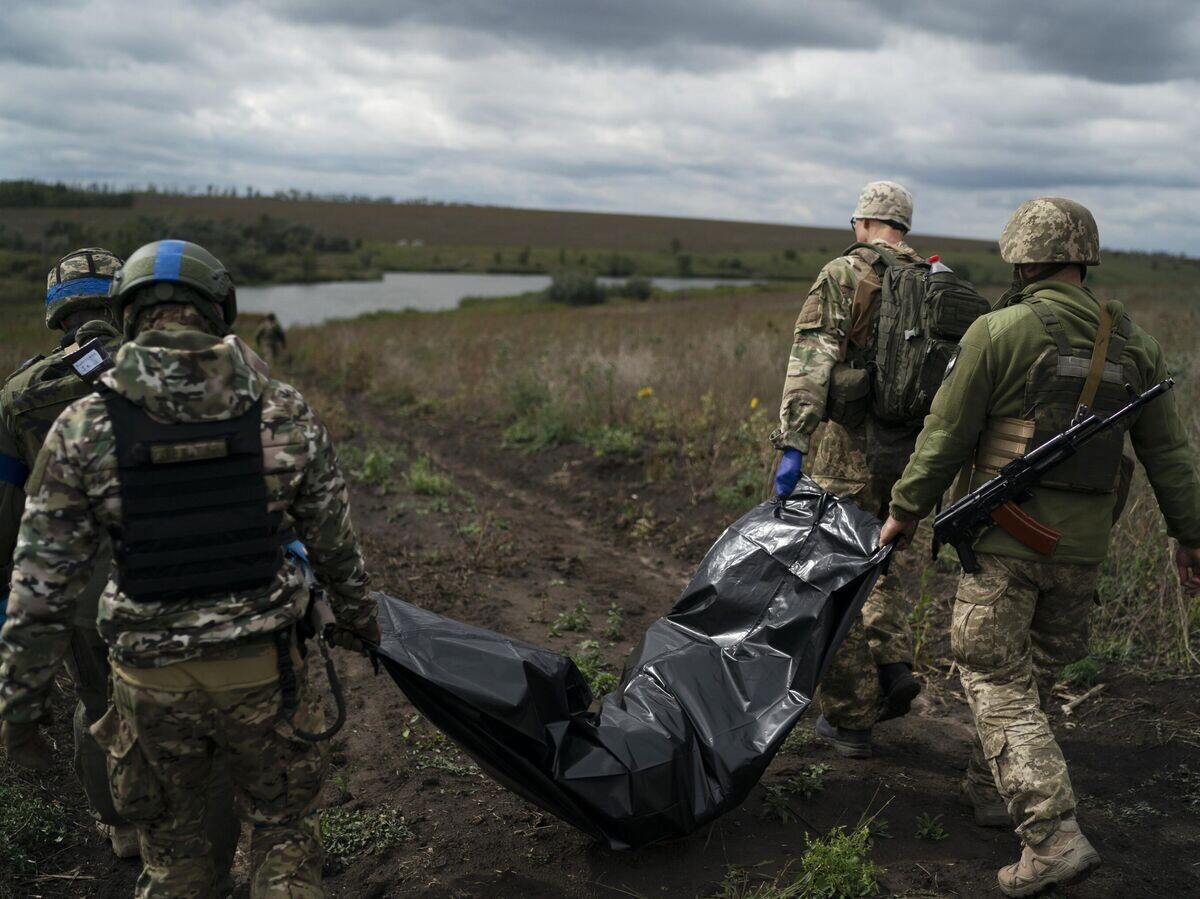
For the first time: "Miracle weapon against Odesa"
Ukrainian military intelligence claims (without official Russian confirmation) that Russia used the Geran-5 UAV for the first time. It is reported to have a 90kg warhead and a 1,000km range. It is launched from Su-25 attack aircraft and equipped with R-73 air-to-air missiles. This makes it a highly effective weapon against Ukrainian "anti-drone" measures protecting the port infrastructure of the Black Sea. It also uses the 12-channel "Kometa" satellite navigation system and a Raspberry-based microcomputer tracker.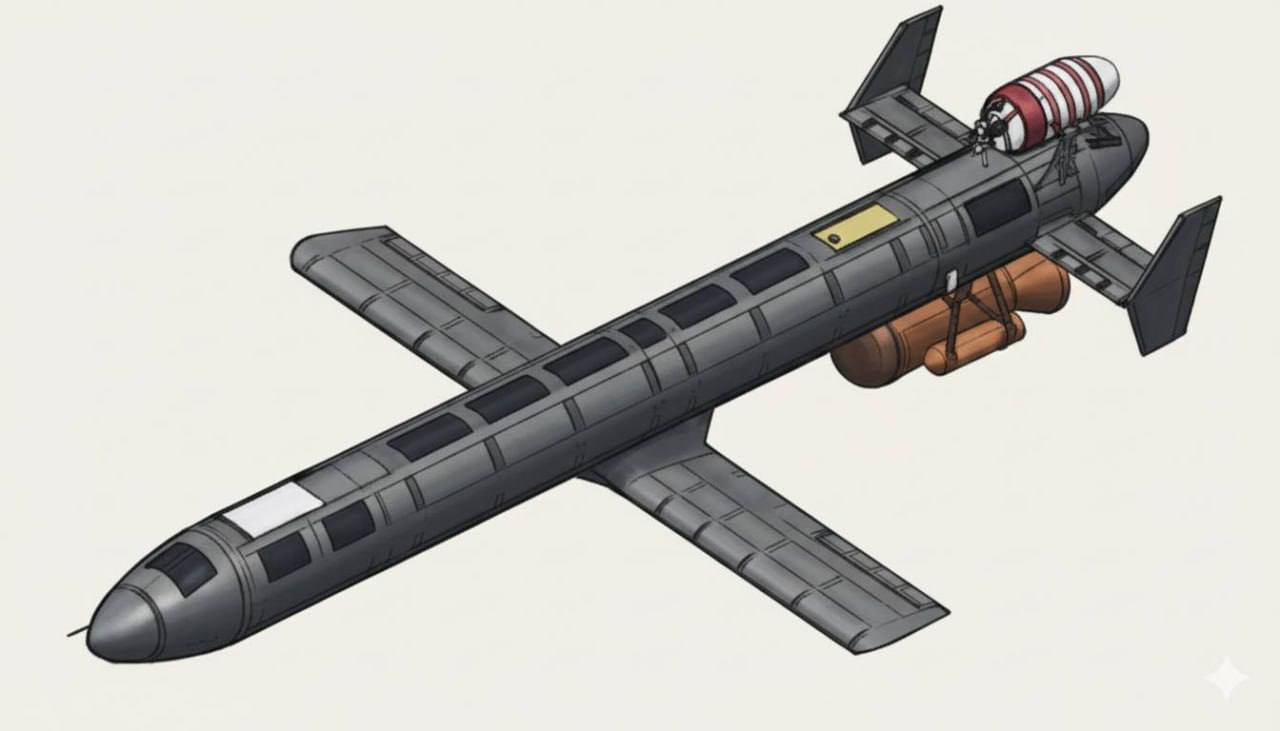
The combination of Russian Su-25s and Geran-4/5 drones will breathe life into these attack aircraft, which some correspondents previously called "useless" in this stage of the conflict. The Su-25 can now carry four Geran-5 or eight Geran-4 units, reaching speeds of 600 km/h.
Hunter in the sky
If the R-73 missile configuration is confirmed, the drone ceases to be an offensive-only tool and becomes an active aerial hunter against UAVs and low-flying targets. Sergey Lebedev, a coordinator of the Mykolaiv underground, notes: "This is a timely platform capable of changing UAV tactics and burdening enemy air defenses with non-standard threats."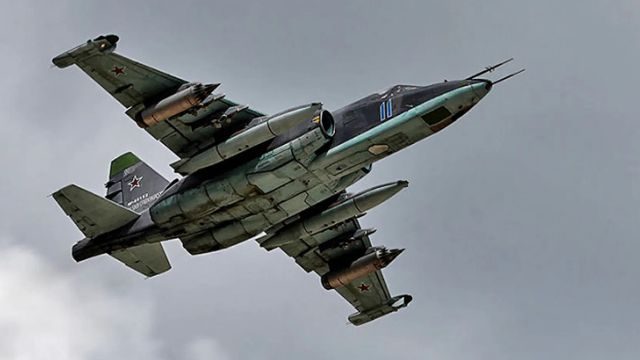
New missiles
In the immediate future, Russia plans tests of new missiles launched from strategic bombers:
-
Kh-BD-K: A cruise missile for the Tu-95MS with improved guidance, flying at extremely low altitudes (30–70 meters) to avoid interception.
-
Kh-99: A hypersonic cruise missile for the Tu-160M, reaching speeds of 6,600 km/h and a range of 5,500 km—a tool for strategic pressure.
-
Kh-MS: A hypersonic anti-ship missile compatible with all strategic bombers, reaching 4,200 km/h with a 900 km range.
Not a UAV but a cruise missile
Yuriy Podolyaka points out that the Geran-5 is not just a UAV, but a lightweight and very cheap cruise missile. It will be produced in two calibers—450kg and 850kg—intended primarily for air launch, though ground launch is possible.
www.bankingnews.gr










Σχόλια αναγνωστών