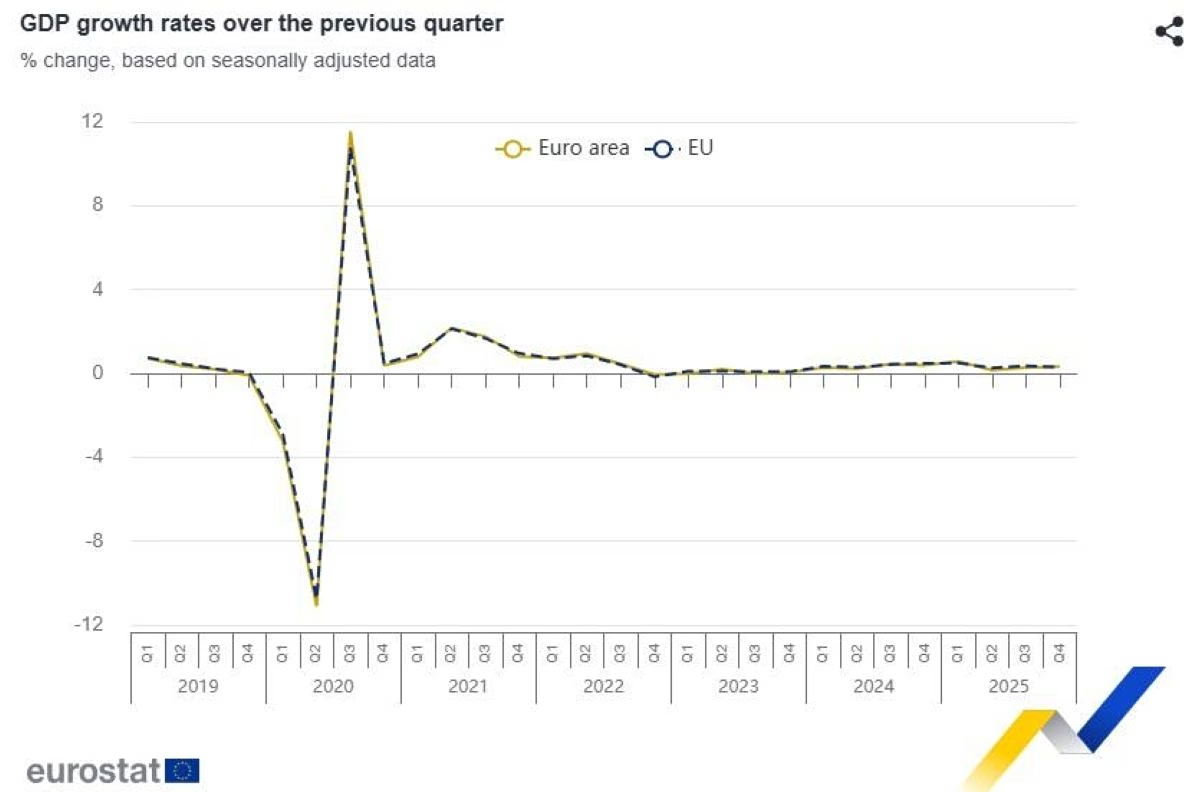
The European economy recorded moderate growth at the end of 2025, overcoming turbulence from higher American tariffs. Now, the economy faces a new obstacle, a stronger euro against the dollar, which could negatively affect exports.
Growth in the 21 countries that use the common euro currency stood at 0.3% for the final three months of 2025, the same rate as in the third quarter, reported on Friday 30 January by the EU statistical office, Eurostat.
Growth compared with the fourth quarter of 2024 was 1.3%.
Germany’s Chancellor Friedrich Merz is now seriously concerned about the impact of the weak dollar on the export oriented economies of his country.
The head of the executive branch in Berlin, Friedrich Merz, joined other voices warning about the negative effects of the depreciation of the dollar on the economy of the Bundesrepublik.
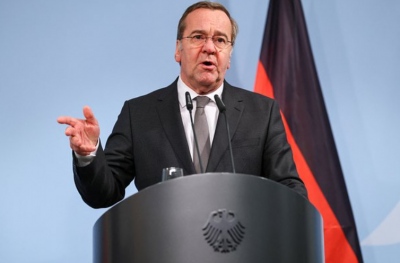
At a press conference before a meeting with his coalition partners in the capital on Wednesday, the Chancellor stated, as reported by Reuters, “I have been watching the trajectory of the dollar with concern for some time. The path of the dollar constitutes a significant additional burden for the German export economy”.
Among those expressing “great concern” over the sharp fall of the American currency against other major currencies is the head of the Federation of German Wholesale, Foreign Trade and Services (BGA). “A strong euro makes German products more expensive in global markets and worsens competitiveness problems,” said Dirk Jandura.
“In particular for medium sized exporters with tight profit margins, this represents a serious risk, as they often cannot hedge currency risks.”
The German economy, which depends heavily on exports, has faced significant challenges in recent years.
It only began to grow in 2025, after two years of recession.
Rising competition
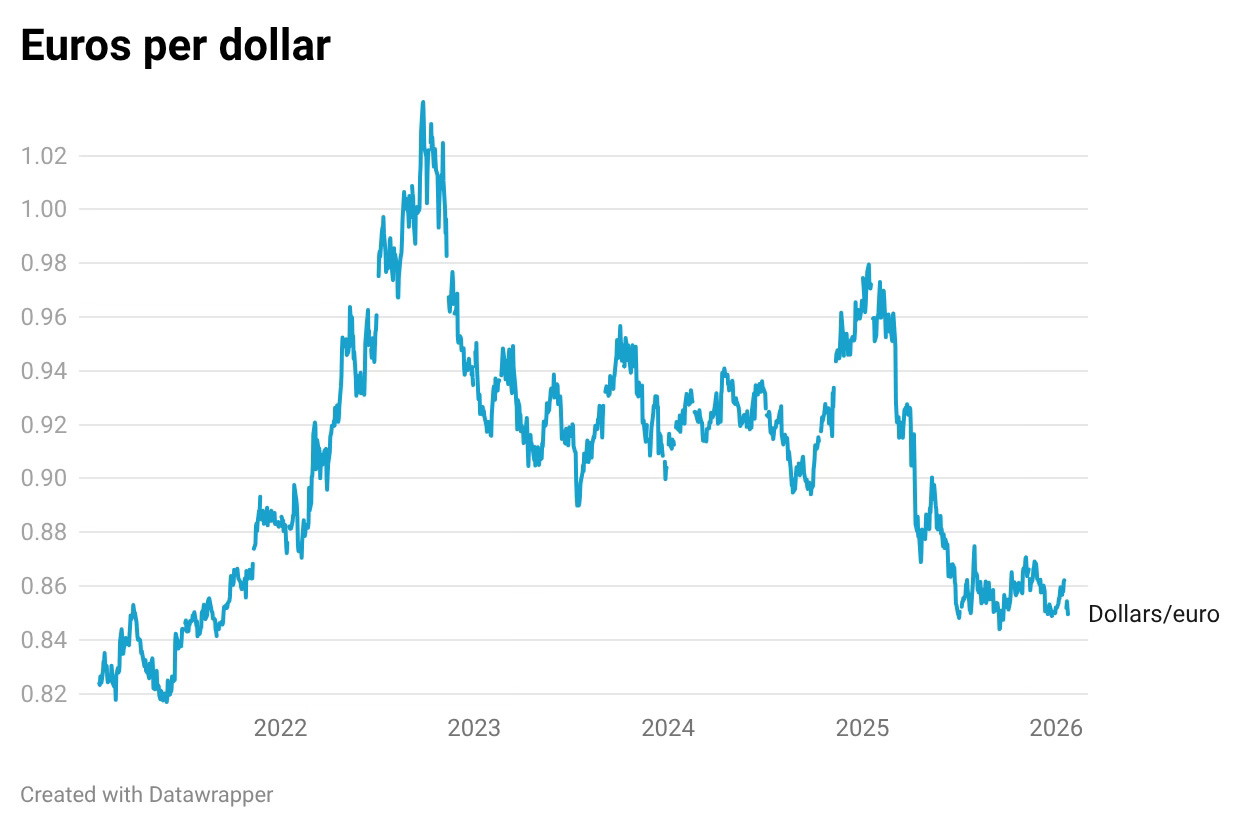
German exporters are facing increasing competition from Chinese companies, while also being hit by the rise of the euro against the dollar, which reached its lowest level in the past four years due to global economic and geopolitical uncertainty.
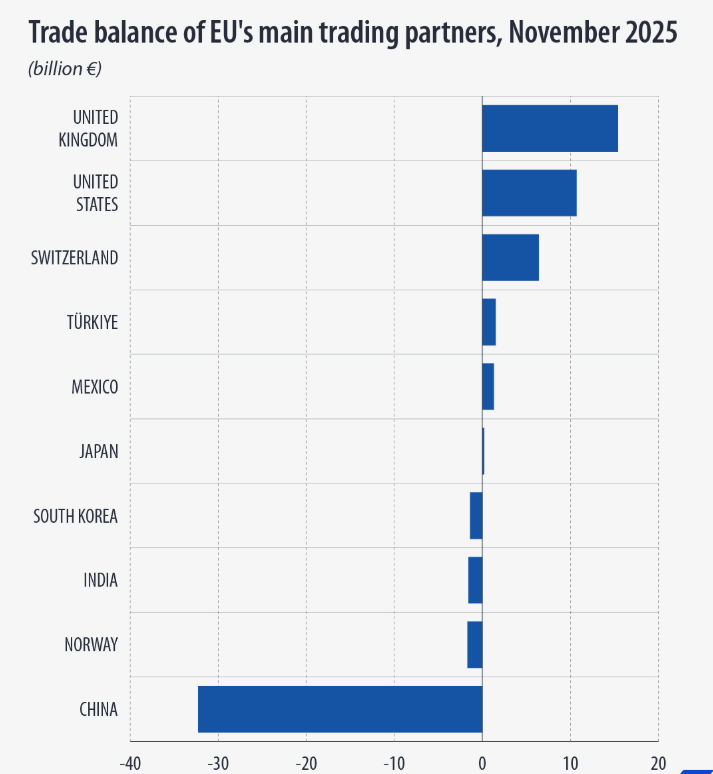
In early January, the BGA revealed that German exports to the People’s Republic of China and the United States fell significantly in 2025, by 10% and 7% respectively, as reported by Cryptopolitan.
The German economy also stopped growing at the beginning of the new year.
At the same time, European concerns about the trajectory of the dollar are evidently not shared by the current government in the United States, with President Donald Trump describing the value of the American currency as “wonderful”.
The comments of Friedrich Merz were also carried by German cryptocurrency media, which highlighted his statements on the digitalization of the common eurozone currency.
“We want to promote the euro so that it becomes one of the main currencies of the world, alongside the dollar. This will also reduce our dependence on the trajectory of the dollar,” he noted.
Europe and its economic engine are trying to reduce dependence on the American ally at more than one level and in more than one framework.
The tariff war
Moderate growth countered earlier fears of recession earlier in the year, when United States President Donald Trump threatened tariff increases to levels that could devastate trade.
Negotiations resulted in a cap of 15% for American tariffs, or import taxes, on products from the European Union. The higher levy is not ideal for businesses, but the certainty produced by the agreement allowed companies to proceed with planning.
That certainty was shaken after the end of the quarter, when Trump on 17 January threatened EU member states with higher tariffs for supporting Greenland against American claims. Later, Trump withdrew the threat.
Service businesses in Europe, a broad category that includes everything from hairdressers to medical services, recorded moderate growth according to a survey by S&P Global among purchasing managers. Exports have declined and industry continues to lag, but it improved toward the end of 2025. Lower inflation of 1.9% in December, after a sharp increase in 2022 to 2023, and wage increases left consumers with greater purchasing power and willingness to spend.
The most recent threat is the sharp fall of the dollar against the euro. It is at its lowest level in the past four and a half years, making European exports less price competitive in a key foreign market.
The dollar has weakened due to fears that Trump’s tariffs will slow growth and that his attacks on the chairman of the United States Federal Reserve, Jerome Powell, will undermine the role of the central bank as guardian of the value of the dollar and the fight against inflation. The euro has strengthened by 14.4% against the dollar over the past 12 months and was trading at $1.19 on Friday (30/1).
Will the ECB cut interest rates?
Analysts say that if the weakness of the dollar against the euro continues, the European Central Bank (ECB) may cut interest rates later this year to stimulate growth.
The ECB will hold an interest rate setting meeting on Thursday (5/2), but is expected to keep rates unchanged.
Germany recorded an improvement in growth of 0.3% for the quarter, its best quarterly performance in three years, but continues to face serious short term and long term difficulties. The largest economy in the eurozone is still waiting for the effects of spending on infrastructure and defense launched by Chancellor Friedrich Merz to translate into higher growth.
Germany grew by 0.2% last year, the first year of growth after two years of declining output. On Wednesday, the government cut its growth forecast for this year to 1% from 1.3% previously.
Germany has faced a series of problems, higher energy prices after the loss of Russian natural gas due to the war in Ukraine, a shortage of skilled workers, rising competition from China in key export sectors such as automobiles and industrial machinery, chronic underinvestment in growth enhancing infrastructure, and excessive bureaucracy.
Growth for the broader 27 country European Union also stood at 0.3% for the fourth quarter of 2025 and 1.4% compared with the same quarter of the previous year.
Not all EU members have joined the euro, which gained its 21st member in January, when Bulgaria joined.
www.bankingnews.gr















Σχόλια αναγνωστών