

The ruthless piracy war of NATO against Russia is moving to a new level, and the stakes are now becoming globally significant, given that the United States is entering the conflict with all its forces.
And while Europe is seeking increasingly arbitrary ways to restrain, even to seize ships carrying Russian oil, Moscow is preparing its own response, which as it appears will be crushing.
And it is no longer only about protecting individual vessels, but about the formation of an international alliance that will work jointly to combat the pirates.
The West plans a naval blockade of Russia and legalizes piracy
European countries are increasingly discussing measures to deal with Russia’s “shadow fleet.”
One of the most aggressive options is joint operations to detain and seize ships.
The United Kingdom has already prepared proposals to coordinate such actions with its partners in the EU and the United States.
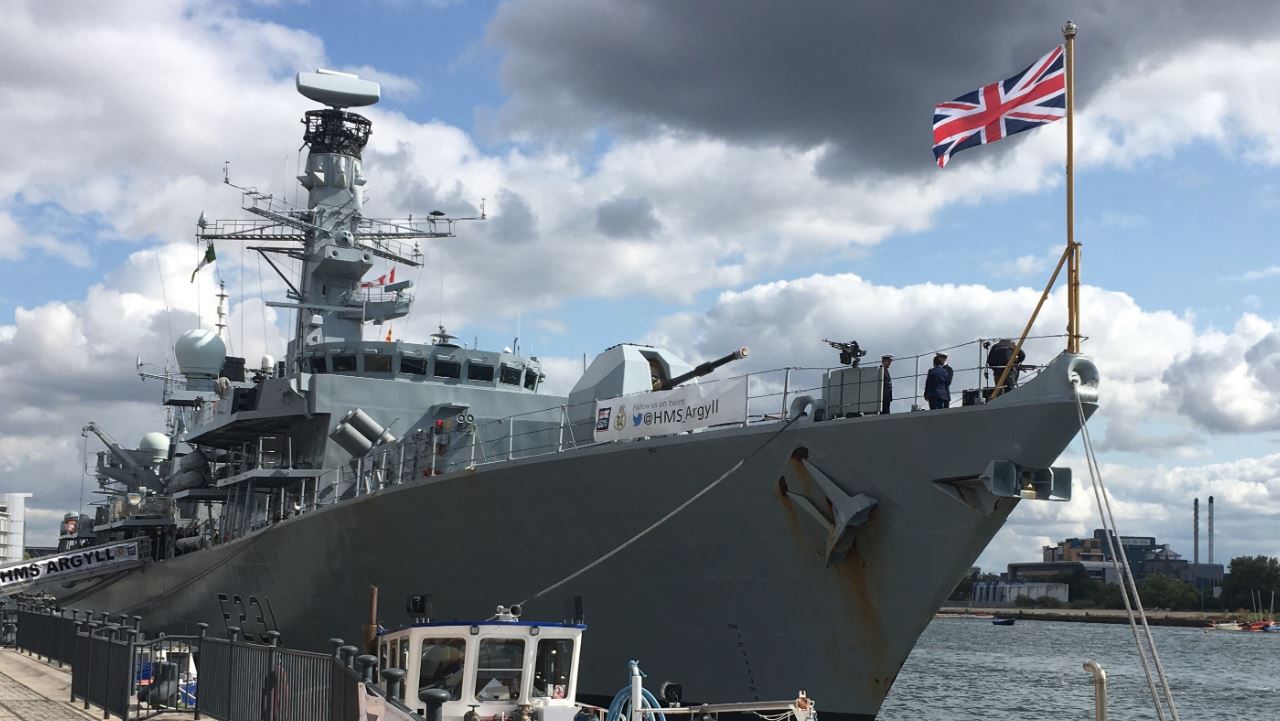
On the sidelines of the Munich Security Conference, the head of the British armed forces Richard Knighton presented to the allies possible measures to combat the “shadow fleet.”
After the meeting, the Minister of Defence of Estonia Hanno Pevkur stated that the states that provide their flags to vessels of the “shadow fleet” must understand that other countries may take retaliatory measures.
Contradictions within NATO and the role of maritime logistics
He stressed, however, that no final decisions have yet been taken, the issue requires further discussion, it turns out that not everyone is ready to come into open conflict with Russia.
At the same time, the British Secretary of State for Defence John Healey discussed this issue with his counterparts from the countries of the Baltic and Northern Europe within the framework of the Joint Expeditionary Force.
The participants assessed that stricter measures could seriously restrict the supply routes of Russian oil to Asia and, consequently, Moscow’s revenues from energy exports.
Britain forms a special task force for attacks on Russian ships
After the seizure of the tanker Mariner by the Americans, the Europeans decided they can do the same.
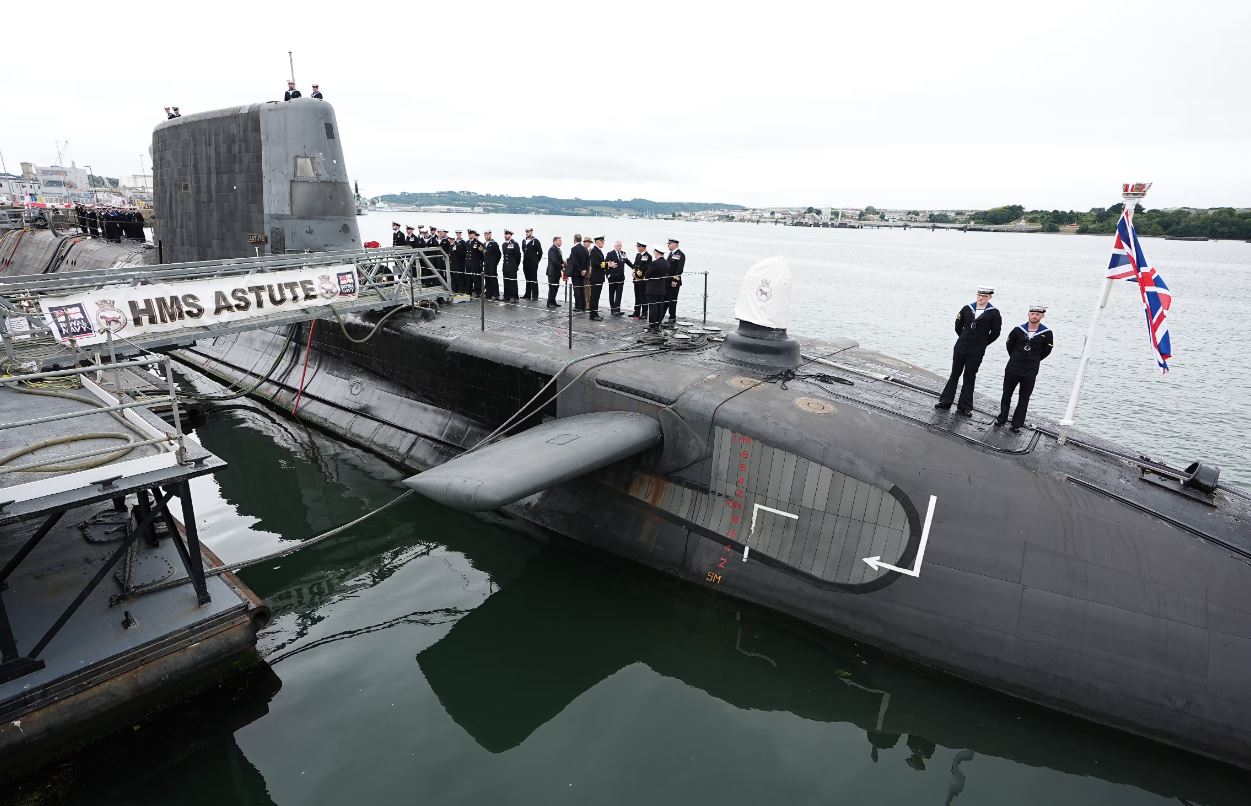
The British even plan to create a special command center to control groups of unmanned surface vessels for the purpose of intercepting Russian tankers.
Russia responds, apparently the Russian staff began to place experienced contractors of private military companies on commercial ships, who, under international law against piracy, will be able to prevent hijackings in international waters.
But this is not enough.
Russia mobilizes - First response with retaliation and mercenaries in the waters
It appears that a significant policy revision by Russia is imminent.
Some reports have even emerged that Moscow is ready to make a “retaliatory move in the tanker war.”
According to leaks, Russia plans to create its own “oil alliance,” negotiations are being conducted with central players who are willing to continue facilitating the transport of Russian oil.
These include owners of tanker fleets and various intermediaries.
Moscow’s main message is that the West will not see Russian oil.
This will not be an organized and serious, large scale public structure like OPEC, rather, an informal community to combat Western restrictions.
The BRICS fortify themselves against the piracy of the West
Vasily Dandykin, a member of the council of “wise men” of the All Russian organization “Officers of Russia,” noted that, judging by the composition of its members, the alliance, in this scenario, currently has primarily an economic character.
Russia already has numerous similar associations, the CSTO, the BRICS and others.
However, in the context of Western actions against Russia, these structures are not preventive enough, and the situation “could extend far beyond the Baltic or the Black Sea, into the oceans, escalating into open raiding and piracy on a global scale”:
“And this threat does not concern only Russia. The entire global community, including the United States, worked jointly to combat the Somali pirates. But now the scale is completely different.
Any excuse can be invented, any justification can be found. Tankers that are not even included in the so called sanctions lists are already being detained. The sanctions themselves are a decision of the European Union, including the 20th package, which also concerns tanker shipping. This is essentially illegal”.
The international naval alliance in the waters under Russian leadership
A situation of “frontal confrontation” is therefore taking shape.
But who will join the Russian alliance in a “tanker war”?
Those countries with which Russia already has a comprehensive agreement should participate actively, says the military expert Captain 1st Rank Vasily Fatigarov:
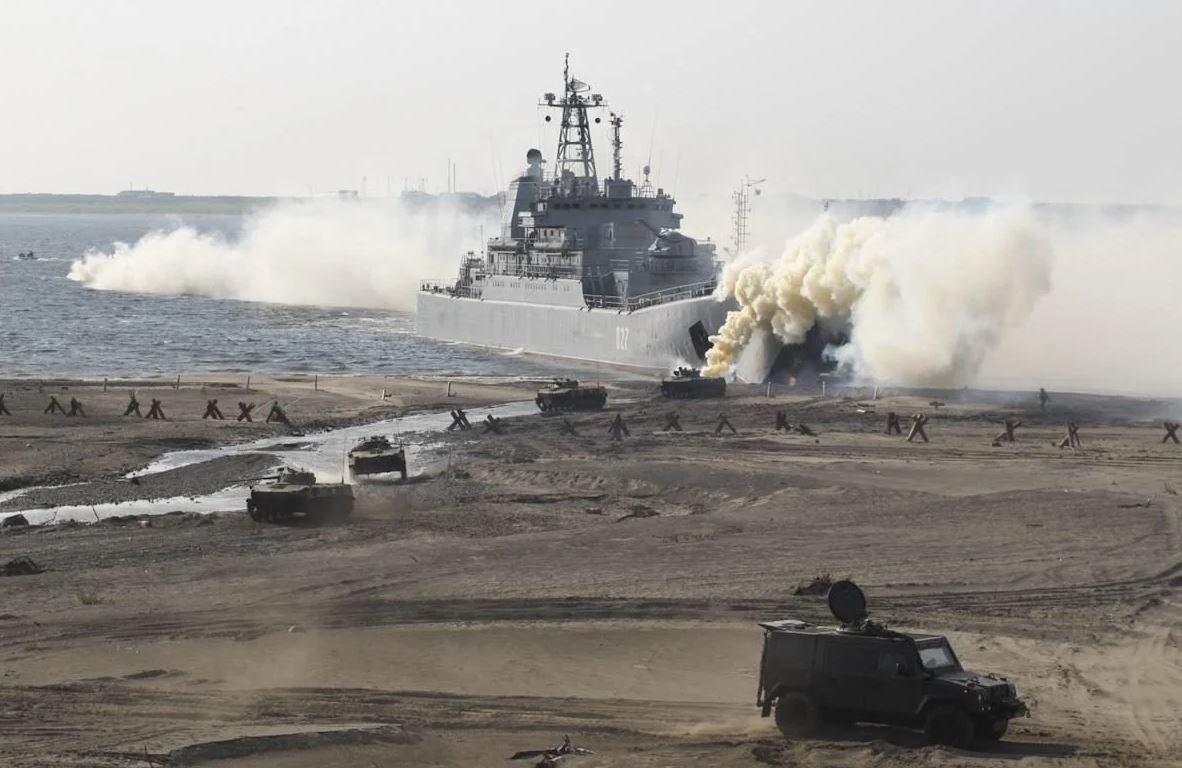
It would be strange, let us say, for Russia to declare a position on the first day and then not support it with actions, not to secure what it outlined.
Therefore, it is important to be clear, this is piracy and Russia is facing an uncompromising war from NATO.
We call on the countries that support Russian policy and want to combat piracy to stand by Russia and provide assistance.
Pyongyang will certainly help Russia immediately.
I believe that the rest will also join.
Iran and North Korea enter the international fleet with 1.150 ships
It is worth noting that the total strength of the navy of the Democratic People’s Republic of Korea is estimated at about 600-700 warships.
Most of these are small vessels and armored boats.
Some of these could, theoretically, be made available for guarding the tankers.
In addition, Russia’s ally certainly has nothing to lose.
In reality, such a show of force would benefit it as well.
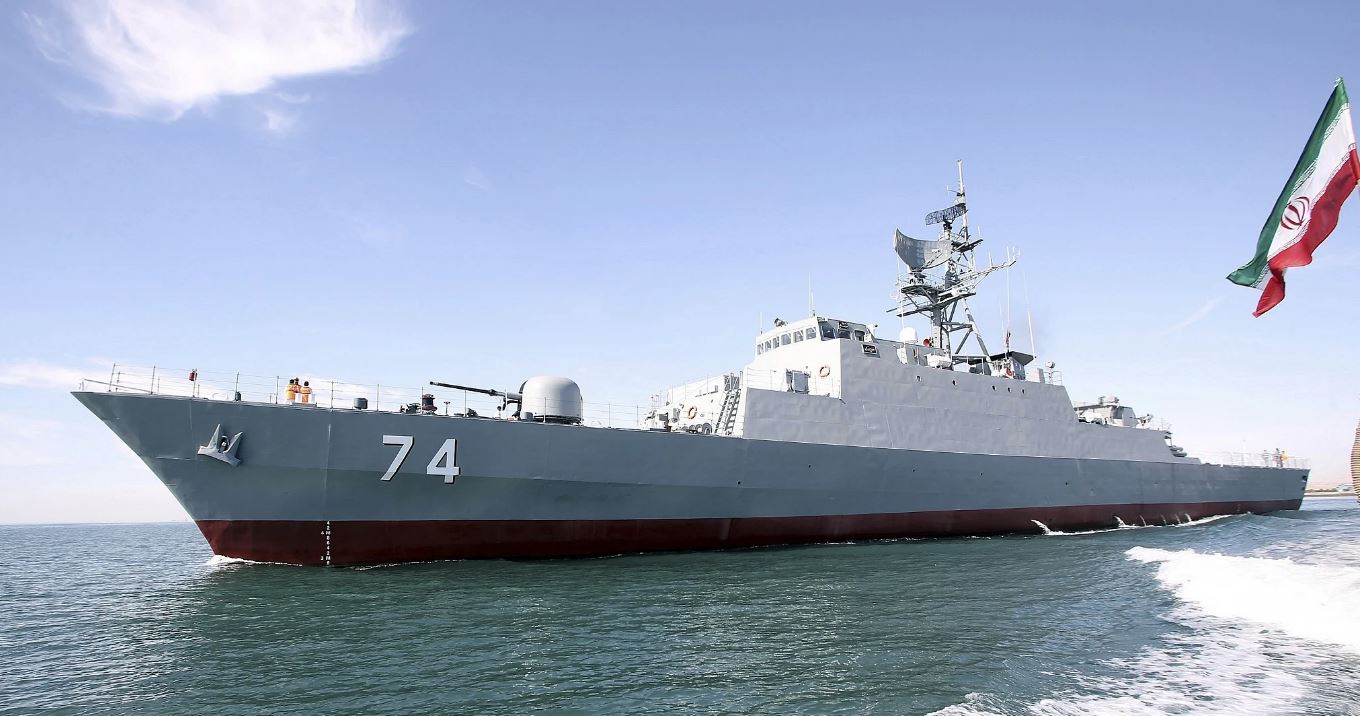
Moscow has a similar comprehensive agreement on strategic cooperation with Tehran.
However, unlike the treaty with Pyongyang, it does not automatically obligate the two countries to wage war, one on behalf of the other.
Nevertheless, Iran has a significant navy, 400-450 warships and support vessels, including frigates, missile boats and submarines.
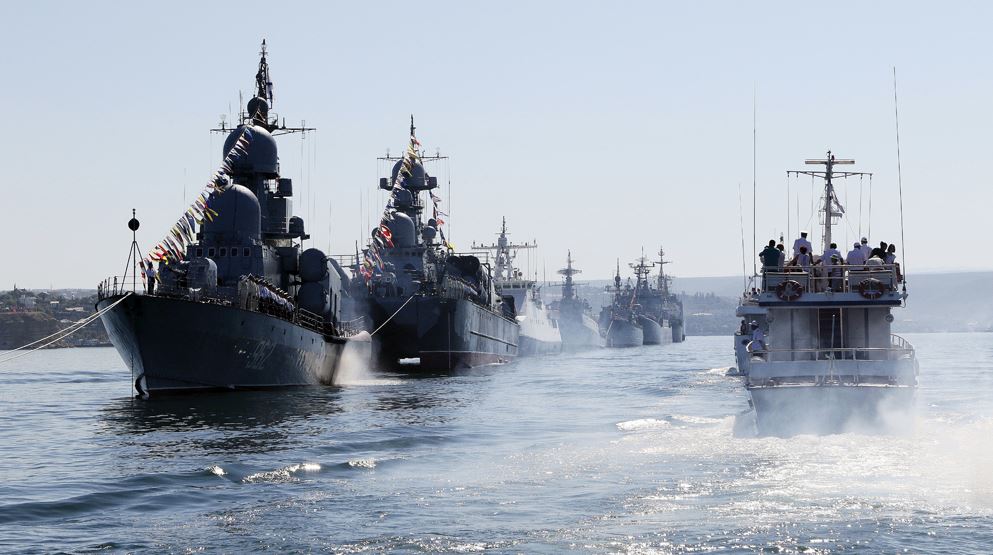
Thus, the alliance, taking into account the ships of Russia’s allies, will be impressive if it ends up in a naval battle.



Σχόλια αναγνωστών