

Leaks and investigations into the Jeffrey Epstein case, extensively published in January and February 2026, have revealed controversial links connecting him to Chinese influence networks.
The connection of Chinese President Xi Jinping to the recent leaks regarding Jeffrey Epstein (initially dated back to 2016) primarily concerns the mention of his name in emails written by Epstein, rather than involvement in any moral crimes, according to the documents. The papers, released by the US Department of Justice, included an email sent by Epstein in November 2015 to American billionaire Reid Hoffman (founder of LinkedIn), noting that Prince Andrew (the former Duke of York in Britain) was spending significant time with President Xi Jinping.
Epstein's role, as revealed in his emails, focused on his proposal to facilitate meetings between businessmen and the Chinese side through Prince Andrew, claiming that the latter maintained a "close relationship" with President Xi. Official records confirm that Prince Andrew formally met with President Xi Jinping in Beijing in 2016 and 2018, and sat beside him during the Chinese president's state visit to Britain in 2015.
British security services are concerned, as the leaks raise questions about whether Prince Andrew's close relationship with the Chinese leadership posed a risk to national security, particularly given Epstein's efforts to exploit these connections for financial or advisory purposes. However, there are no credible allegations in the leaked documents linking Xi Jinping to sexual crimes or other Epstein scandals.
Connections to Chinese dissidents and political networks
The leaks and investigations into the Jeffrey Epstein case, with extensive publication in January and February 2026, revealed controversial connections linking him to Chinese influence networks, prominent dissidents, and allegations of involvement in arms-related activities. Notably, his relationship with Chinese dissidents (Guo Wengui case) was disclosed through leaks of recent correspondence, where Epstein warned associates about the Chinese dissident Guo Wengui (also known as Miles Kwok).
Leaked emails also included warnings to Steve Bannon, former advisor to US President Trump, regarding the danger of Guo Wengui and his connections to "dangerous Chinese networks." The leaks indicate that Epstein had deep knowledge of these networks and used the information to influence politicians in the US who supported Chinese dissidents.
The "Epstein Files" also include references to dark connections with arms trafficking and espionage activities in China. Documents from the US Department of Justice, published in December 2025 by order of President Trump, revealed Epstein's alleged ties to espionage and arms trade related to China and North Korea. Furthermore, correspondence was included from Melvin Cohn (claiming links to US intelligence), who asked Epstein's brother, Mark, for information on China, warning that his life was in danger following Jeffrey's death. Analysis by former Epstein associates, such as Steven Pottinger, links Epstein to historical arms sales from China to the Middle East during the 1980s, suggesting these relationships have deep roots.
Epstein's role in the Chinese political scene
According to the leaks, Epstein played a decisive role in facilitating meetings between high-ranking figures and the Chinese political leadership, such as the meeting between Prince Andrew and President Xi Jinping. In an email to Reid Hoffman, Epstein mentioned that Prince Andrew spent significant time with Xi Jinping and offered to organize similar meetings, highlighting his role as an "access broker" for the global elite in China.
Documents published late in 2025 and early 2026 show Epstein's efforts to expand his influence in China, either through business opportunities or alleged intelligence networks. Epstein used influence networks in China to inform and guide American politicians. In his correspondence with Steve Bannon, he warned him against collaborating with Guo Wengui, indicating the extent of Chinese power networks and their international reach. Other documents show that since 2011, Epstein contacted Chinese individuals to obtain medical information, such as experimental cancer treatments at Fuda Hospital in China.
Epstein and international arms trade
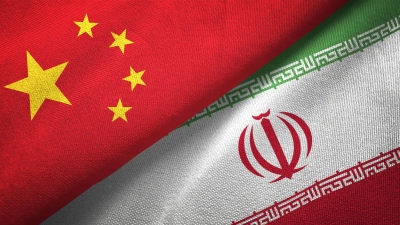
The leaks reveal that Epstein was involved in the 1980s in international arms trade networks, acting as a middleman for Chinese weapons. His name was linked to Douglas Leese, accused of selling Chinese arms to Iran during the Iran-Iraq War.
Testimonies from former associates, such as Steven Hoffenberg, state that in 1983 Epstein participated directly in arms sales from the Chinese state company Norinco to Iran, having been trained in smuggling, the creation of front companies, and money laundering under the supervision of Douglas Leese. The leaked files contain verified emails where Epstein warns Bannon about Guo Wengui (Miles Kwok), describing his networks as "flying networks," indicating deep knowledge of Chinese power and intelligence networks.
FBI documents from the January 2026 leaks mention allegations of Epstein's connections to foreign intelligence services, including China, in sectors such as artificial intelligence and Chinese espionage. On January 28, 2026, a US judge granted asylum to the well-known Chinese dissident Hang Guan, who had denounced the oppression of the Uyghurs in China. This decision reflects the sensitivity of the Chinese dissident issue in the current US political landscape.
www.bankingnews.gr



Σχόλια αναγνωστών