

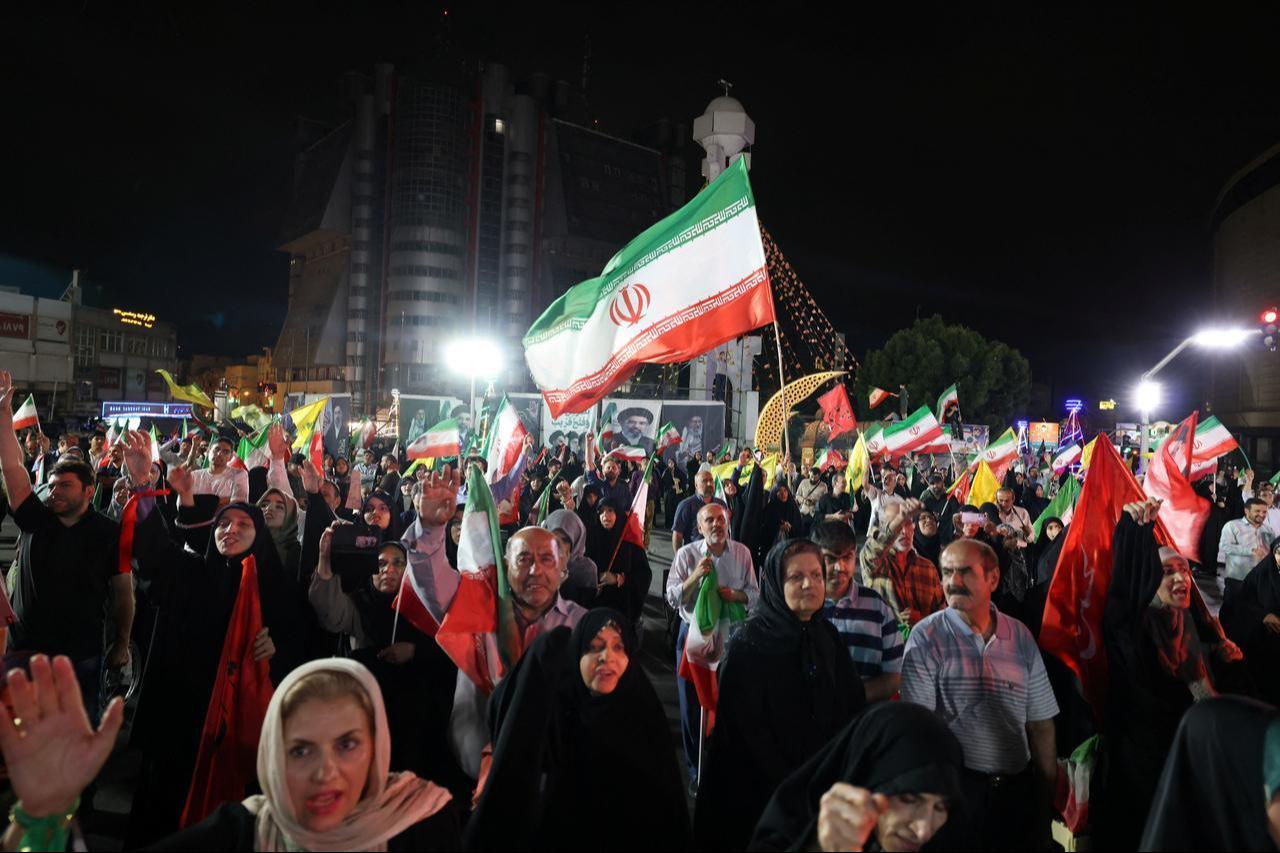
The harsh conditions under which Iran is prepared to return to negotiations with the United States were outlined by the Secretary of the Supreme National Security Council, Mohsen Rezaei, making clear that Tehran is now awaiting the response of US President Donald Trump.
Iran has communicated seven conditions to the US and Washington has no choice but to accept them, he noted.
The three primary conditions set by Tehran are the end of the war on all fronts, the release of frozen Iranian assets, and the termination of the American naval blockade, according to Mohsen Rezaei.
In an interview with Al Jazeera on Saturday, September 19, Mohsen Rezaei stated that Iranian positions have already been transmitted to Washington via Qatar, while contacts with Qatari and Pakistani mediators are ongoing.
That these specific demands have been conveyed through Qatar is also confirmed by the Associated Press, which reports that Iran awaits Donald Trump's response.
«We are in contact with the Qatari mediator.
He has conveyed to Washington our conditions for ending the war and we are awaiting the response of President Donald Trump», stated Mohsen Rezaei.
According to him, it is in the interest of the US to accept Iranian preconditions and opt for a diplomatic off-ramp.
Concurrently, he warned that Tehran remains prepared for the continuation of military confrontation if no agreement is reached.
Mohsen Rezaei further maintained that American calculations regarding Iran proved erroneous, while attributing the outbreak of the armed conflict also to pressure that, according to the Iranian version, was exerted by Benjamin Netanyahu on the American administration.

Door open for diplomacy
Despite the harsh rhetoric, Tehran leaves open the prospect of returning to the diplomatic process.
A senior Iranian source told TASS (September 19) that Iran is ready to return to a diplomatic resolution of the conflict provided the United States proves in practice that it takes the prospect of an agreement seriously.
According to the source, Washington must convince both Tehran and mediating countries that any new agreement will be respected.
«The ball is in the US court.
It is preferable to return to diplomacy, but we must see a genuine desire from the American side for a return to peace», the source told TASS.
Tehran also considers that negotiations on its nuclear program can resume, but sets as a condition the implementation of prior commitments made within the framework of the agreement brokered through Pakistani mediation.
The agreement of June 17 had opened a temporary path for a cessation of hostilities and negotiations.
Among other things, it provided for steps to lift the naval blockade, grant Iran access to frozen assets, and ease restrictions on Iranian oil exports, while the Iranian side was expected to conduct demining and facilitate navigation in the Strait of Hormuz. The process subsequently collapsed amid mutual recriminations over violations of commitments.


The central role of Pakistan in negotiations
Spokesperson for the Iranian Ministry of Foreign Affairs Esmaeil Baghaei addressed the upcoming visit of the Minister of Interior of Pakistan to Tehran, noting that the two countries maintain close and expanding relations.
«We have good relations with Pakistan.
As two neighboring nations, our relations have advanced in all sectors. We intend to continue broadening the good neighborly ties initiated under the administration of the late president Ebrahim Raisi», he stated.
Referring to the visit of the Pakistani Interior Minister, Esmaeil Baghaei added:
«The visit concerns bilateral discussions and it is likely he will be accompanied by another minister.
It is scheduled to discuss agreements concluded between the presidents of Iran and Pakistan, as well as their implementation».
He also noted that Pakistan, as a country that has made significant efforts to facilitate contacts, naturally utilizes every opportunity to continue its mediation efforts, without however knowing whether a specific new proposal will be presented.
Elsewhere in his statements, Esmaeil Baghaei stated:
«Our conditions formed the basis of negotiations and the United States violated them. Under these circumstances, we cannot discuss ending the war».
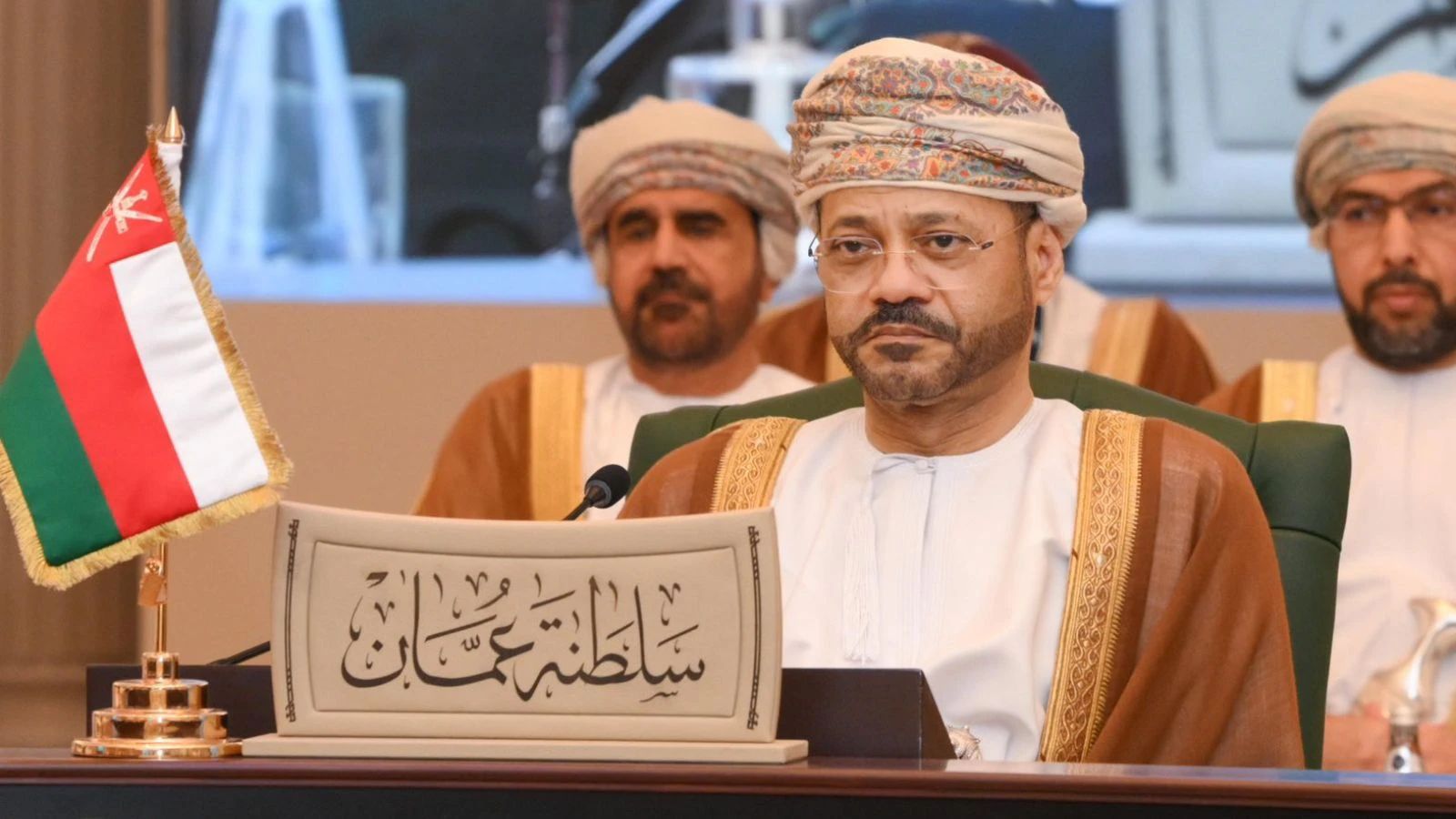
Concurrently, he added that Iran and Oman reached an understanding on establishing a safe transit corridor through the Strait of Hormuz.
Hormuz at the epicenter of bargaining – The agreement with Oman for safe passage
The Strait of Hormuz is now at the core of both military and diplomatic confrontation.
Tehran has repeatedly linked the full restoration of freedom of navigation to the fulfillment of its conditions by the United States.
Mohsen Rezaei had already stated in August that Hormuz will not open fully unless Washington ends the war and the blockade and unfreezes Iranian assets.
On the other side, CENTCOM presents a different picture regarding control of the strategic maritime waterway.
Commander of CENTCOM, Vice Admiral Brad Cooper, stated on Saturday (September 19) that American forces have supported the transit of more than 1 billion barrels of crude oil through Hormuz over the last two months and have provided coordinated escort protection to over 2,000 commercial vessels. He also maintained that the primary transit lanes have been cleared of mines.
The Iranian side rejects American claims of controlling the strait and insists that operational initiative remains in the hands of Iranian armed forces.
Available maritime data, however, indicates that traffic remains significantly lower than pre-war levels. On September 18, Reuters reported that only four commercial cargo ships had transited the strait the previous day, compared to an average of 16 over the preceding ten-day period. Prior to the war, approximately one-fifth of global crude oil and natural gas trade moved through Hormuz.
Oman and Germany call for restoration of free navigation
At the same time, diplomatic efforts are intensifying to de-escalate tensions across the region's two most critical maritime waterways.
Minister of Foreign Affairs of Oman Badr Albusaidi and his German counterpart Johann Wadephul discussed on Saturday in a telephone conversation efforts to restore freedom of navigation in the Strait of Hormuz and the Red Sea.
According to the Foreign Ministry of Oman, the two ministers exchanged views on regional issues and methods to resume free navigation, while supporting efforts to curb tension and avert further escalation.
Parallel contacts by Iran with Qatar, Pakistan, and Oman indicate that, despite the continuation of military operations and harsh public rhetoric, diplomatic channels have not shut down.
The core question is now whether Washington will respond to the terms transmitted by Tehran or whether the two sides will remain locked in confrontation over the naval blockade, sanctions, and control of Hormuz.
For now, no agreement to resume direct talks has been announced, with Iran insisting that concrete American steps must occur first.
www.bankingnews.gr





Σχόλια αναγνωστών