

"The United States' response to Iran's demands was not convincing" - Trump's plan for a "trophy deal" mid-elections derailed
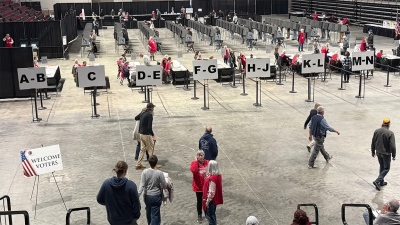
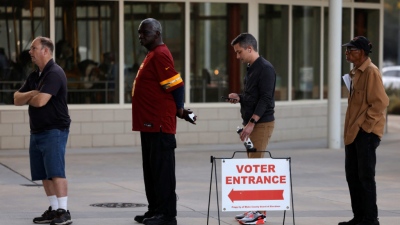
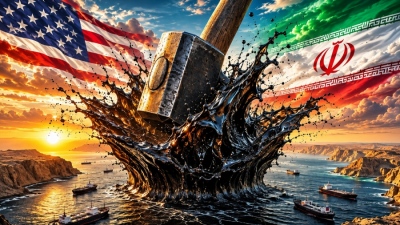
Sweeping developments unfold in the Middle East, with Iran rejecting the latest proposal from the United States formulated on November 3, stripping the US president of the ability to parade a Middle East deal on the very day of the US midterm elections, as reported by Iranian agency IRNA on 3/11. This constitutes a purely strategic move by Tehran, aimed at increasing pressure on the White House and contributing to a potential defeat at today's (3/11) midterm election ballot box, in which Democrats reportedly maintain the lead for control of Congress, while Senate control is expected to be decided down to the wire. Specifically, the head of Iran's Strategic Foreign Relations Council, Mohsen Rezaei, stated: "The response of the United States to Iran's demands was not convincing. They must provide a full and explicit answer to the seven terms set by Iran and proceed with their implementation. Only then will the Strait of Hormuz reopen." At the same time, the Supreme Leader of Iran, Mojtaba Khamenei, issued a new, harsh directive to the Revolutionary Guards: If the Americans strike first, we will respond without limits, without conditions, and without geographic restrictions, impacting Middle East election impact.
Iran reinstates 7 terms to open Hormuz, rejects Trump proposals
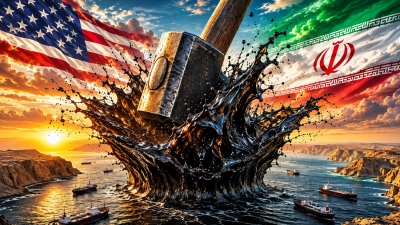
More specifically, Iran re-established seven conditions for the reopening of the Strait of Hormuz, rejecting Washington's response as "unconvincing" and warning that the strategically vital maritime waterway will remain closed until the United States satisfies the entirety of its demands, according to news agencies IRNA and Tasnim News. "They must fully and explicitly accept Iran's seven conditions and implement them in practice. Only under this condition will the Strait of Hormuz open again," as emphasized by Mohsen Rezaei, secretary of Iran's Supreme National Security Council. Tehran's demands encompass an immediate termination of the US naval blockade, the lifting of sanctions, the reinstatement of sanction waivers for oil exports, the unfreezing of Iranian assets held abroad, the withdrawal of US forces from the region, formal recognition of the Iran–Oman shipping corridor, and the termination of the war on all fronts, including Lebanon. The seven terms were transmitted to the American side via Qatari diplomatic mediation, shaping Iran 7 conditions.
Shock: Lack of communication and rift within US intelligence agencies
Meanwhile, the intelligence agencies of the United States themselves are barely communicating with one another, at a time when Washington considers the prospect of another round of military strikes against Iran. This represents a deeply concerning combination. According to eight active and former officials, information sharing has deteriorated to such a degree that the CIA has stopped drafting joint assessment reports with the National Intelligence Council.  The result? The body responsible for aggregating and synthesizing the findings of 18 US intelligence agencies has not produced a single assessment report focused on the war with Iran. Even congressional access to certain intelligence reports was temporarily interrupted on two occasions. A large portion of this situation originated from the intense confrontation between the CIA and national intelligence under Tulsi Gabbard, influencing US intelligence agency rift.
"How will we launch a new round of war against Iran amidst such division?"
Concurrently, according to information, certain analysts express fears of potential professional retaliation should their assessments conflict with White House positions. Nonetheless, the CIA disputes claims that it is not participating in intelligence agency coordination. If Donald Trump decides to launch new strikes against Iran, will he have at his disposal the complete picture emerging from intelligence agencies or only the fragmented elements that manage to pass through Washington's internal confrontations? And what will be the consequences of this lack of intelligence for the future of the war, defining US intelligence sharing breakdown?
Trump confirmed attacks on Iran and dumped Israel
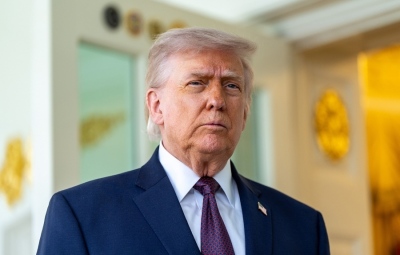
A few hours before the midterm elections, Donald Trump confirmed that the United States has carried out strikes against targets in Iran. Simultaneously, he announced that the US will stop granting annual assistance of 4 billion dollars to Israel by the end of the year, characterizing the decision as the result of an agreement between himself and Benjamin Netanyahu. Retired Indian Army officer and defense analyst Pravin Sawhney warns of the developments that are likely to follow, highlighting Trump White House strategy.
The 3 White House lines on the war against Tehran
According to his analysis, Trump finds himself confronting three different factions inside the White House, which exert pressure in opposing directions. J.D. Vance, Steve Witkoff, and Jared Kushner pursue reaching an agreement. Conversely, Pete Hegseth and Benjamin Netanyahu stand in favor of war. In contrast, John Ratcliffe, Marco Rubio, and Scott Bessent desire maintaining the blockade and continuing to exert pressure on Iran until it yields. None of the three sides appears to prevail in this internal confrontation. Indeed, according to Sawhney's assessment, even Trump himself may not have clarified which strategy he wishes to follow, shaping White House policy factions.
The difficult nuclear balance and Mojtaba Khamenei's new directive
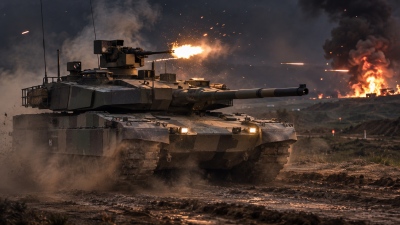
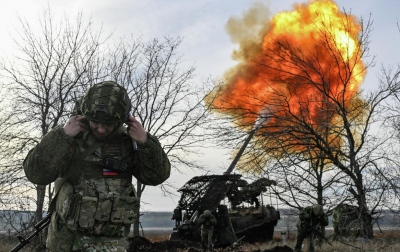
The primary problem is located in the sequence in which moves regarding the nuclear issue must take place. Iran demands first the lifting of the blockade and subsequently the initiation of talks on its nuclear program. Conversely, Trump insists that nuclear negotiations must precede. Neither side appears willing to back down. At the same time, Khamenei has given a new order to the Islamic Revolutionary Guard Corps (IRGC): if the United States starts this war, the response must be immediate, effective, and without restrictions. If Trump decides to proceed with a military attack, he risks losing control of the conflict within a few hours. This time there will be no possibility for a temporary suspension of hostilities. The only way out is reaching an agreement. And the Iranians know that, in this scenario, they will have already won, defining Mojtaba Khamenei IRGC directive.
www.bankingnews.gr



Σχόλια αναγνωστών