

While U.S. President Donald Trump claimed following his meeting with Ukrainian counterpart Volodymyr Zelensky that "we are closer than ever to a deal," analysts estimate that a NATO-Russia war is closer than ever. The Baltic region is at the center of attention and military preparation. It is there that Europe is bracing for the unthinkable: from Estonia to Poland, fortifications are rising in high-risk areas while new weapons are deployed and national armies are bolstered under the narrative of a Russian threat. Amidst statements suggesting the last peaceful summer may already be behind us, 2026 looms as a year where many nations will make historical political choices, such as the U.S. midterm elections on November 3rd and potential polls in Ukraine.
War is near
In recent years, Western politicians have competed in forecasting the start of a war with Russia. One of the first to speak out in February 2024 was German Defense Minister Boris Pistorius, who estimated three to four years remained until a direct clash. By autumn 2025, he warned that the last peaceful summer might have passed. However, he recently walked back those comments, stating: "I do not believe in this scenario. In my opinion, Putin does not need to start a global conflict against NATO."
Get ready
This, however, is an exception to the general mindset. Pistorius’s clarification sounded like a response to NATO Secretary General Mark Rutte, who called on Europeans to prepare for the kind of war their "great-grandparents" experienced. Military leaders share these concerns. "Looking at the current situation, Russia can deliver a limited strike on NATO territory at any time," Lieutenant General Alexander Zolfrank, head of NATO's Support and Enabling Command (JSEC), told Reuters. His French colleague, Chief of the Defense Staff Fabien Mandon, warns conflict could erupt in three to four years. In Moscow, these signals are clearly understood. "We are not the ones threatening; we are being threatened," emphasized Defense Minister Andrei Belousov.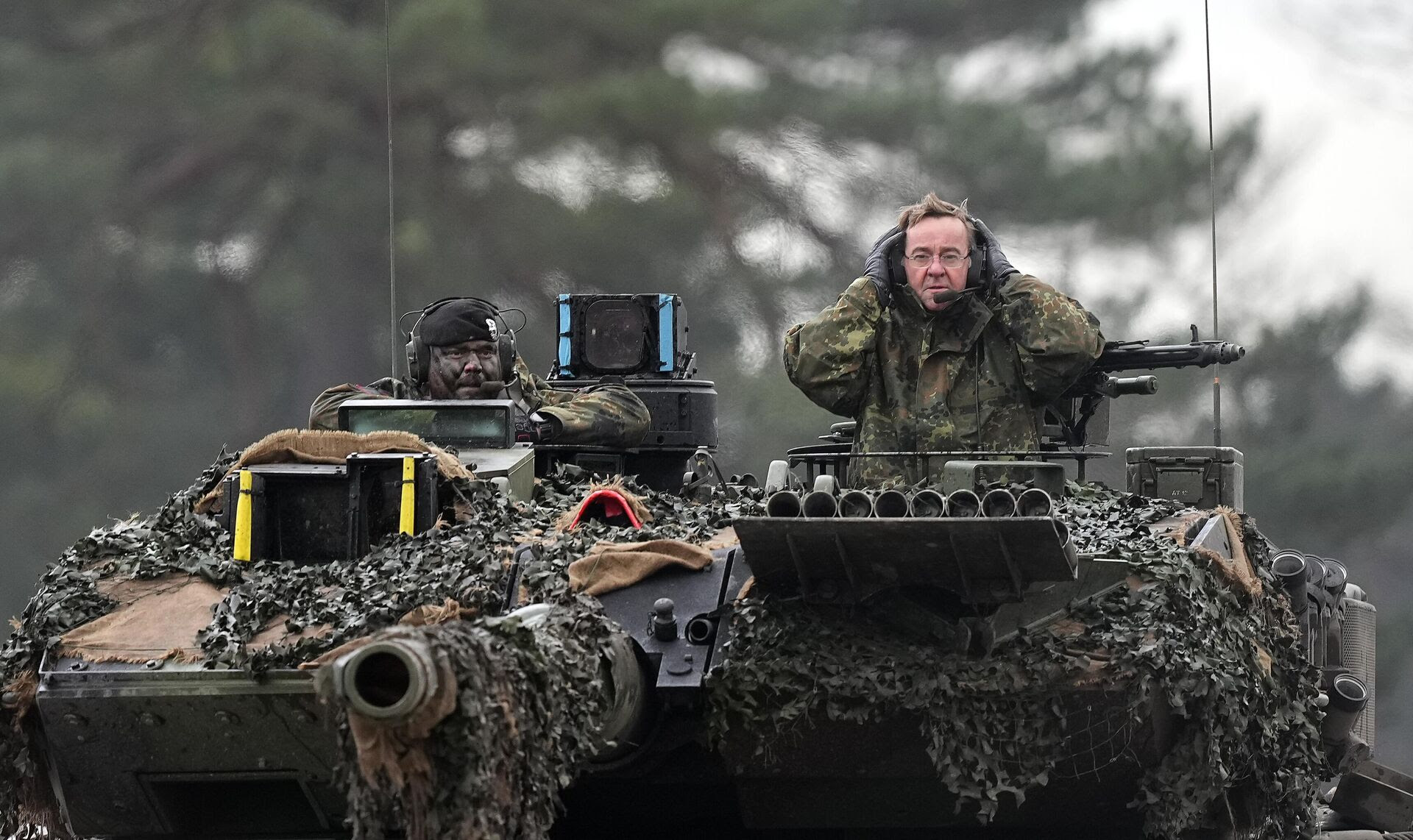
Comprehensive measures
Europeans are not limiting themselves to rhetoric; they aim for full conflict readiness by 2030. By then, Belousov noted, the Alliance's military budget will increase more than 1.5 times, from $1.6 trillion to $2.7 trillion. Additionally, European nations are developing a "Military Schengen" to accelerate troop movement to the eastern flank. Preparations for medium-range missile deployment and the renewal of nuclear arsenals are also underway.
Fortifications on the eastern border
A major focus for the Alliance is the construction of fortifications on the eastern flank, primarily in Poland and the Baltics. This year, Poland, Lithuania, Latvia, Estonia, and Finland withdrew from the Ottawa Treaty, which prohibits anti-personnel mines. "There can be no restrictions preventing us from protecting our homeland," stated Polish Defense Minister Władysław Kosiniak-Kamysz. In 2024, Poland launched the "Eastern Shield" program to create a defensive complex against Belarus and Russia, a move that inspired its Baltic neighbors.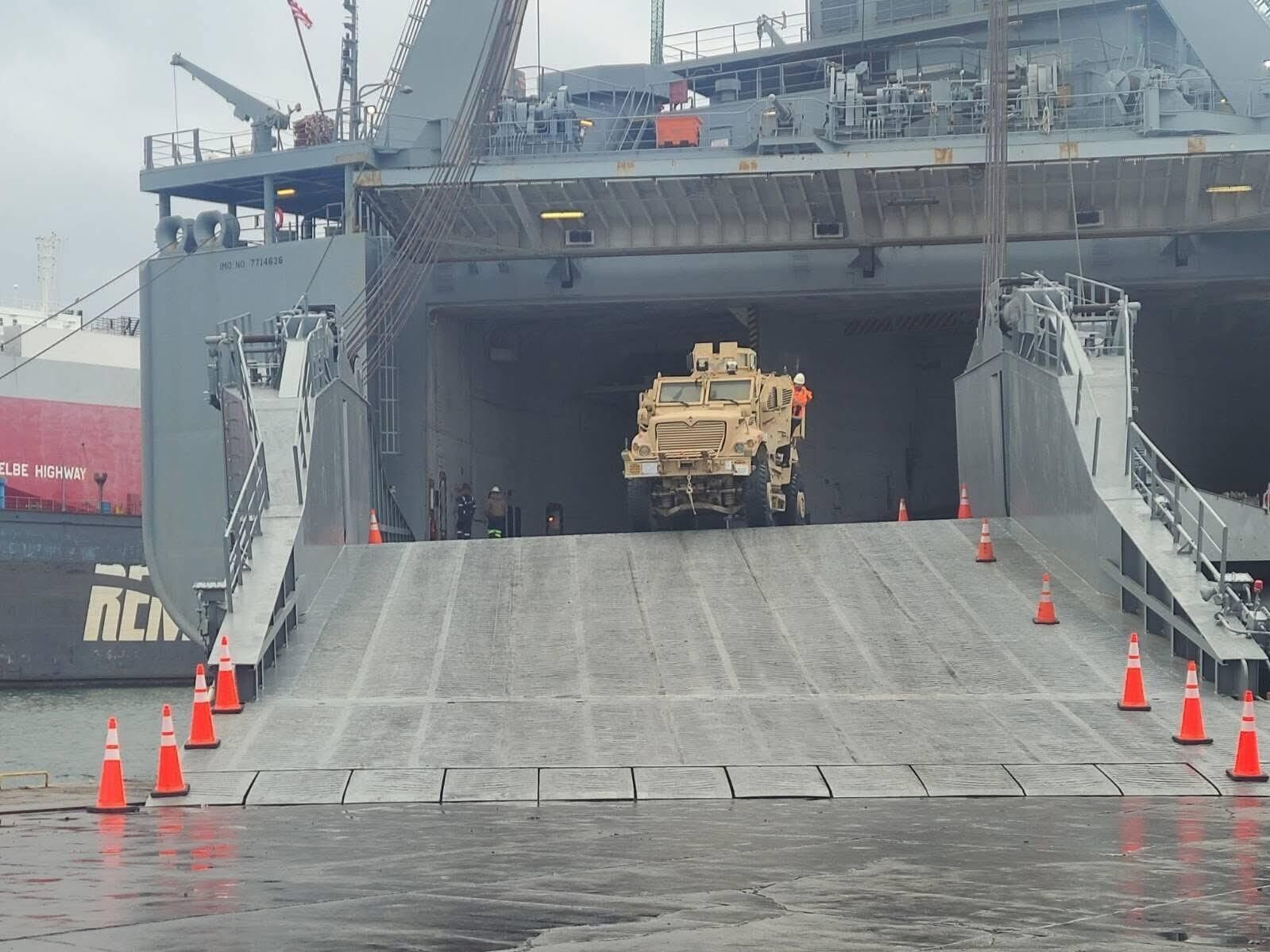
Multi-layered defense
Estonia plans to spend approximately €60 million ($70 million) on fortifications, with half already allocated. The defense line will feature a series of obstacles: an anti-tank ditch behind a fence, "dragon's teeth," and barbed wire, followed by minefields. The final border line will include 600 concrete bunkers. By early December, five were completed, with plans to reach 28 by year-end. Each 25-square-meter bunker is designed to withstand 152mm artillery fire. However, the Estonian Center for Defense Investments noted that work on the anti-tank ditch is currently delayed pending border guard approval.
Not just on land
Another initiative is the "Drone Wall," officially the European Drone Defence Initiative. Included in the EU's "Defense Roadmap – 2030," it aims to detect and down any drone launched toward the EU. EU Foreign Policy Chief Kaja Kallas stated the program should be ready by 2027, emphasizing the need to utilize Ukraine's experience. However, Brussels has yet to agree on the exact implementation or the specific systems that will power this "wall."
Up in the air
There is a lack of clarity regarding the technical construction of this wall. Robert Tollast from the British Royal United Services Institute (RUSI) questions the feasibility of an impenetrable drone wall but stresses the necessity of preparation. "For states near the Russian border—the Baltics, Poland, and Germany—it is critical to attempt this as they are within the range of long-range drones," Tollast explains. Despite bureaucratic hurdles, EU officials are actively funding these efforts to bolster their national armies.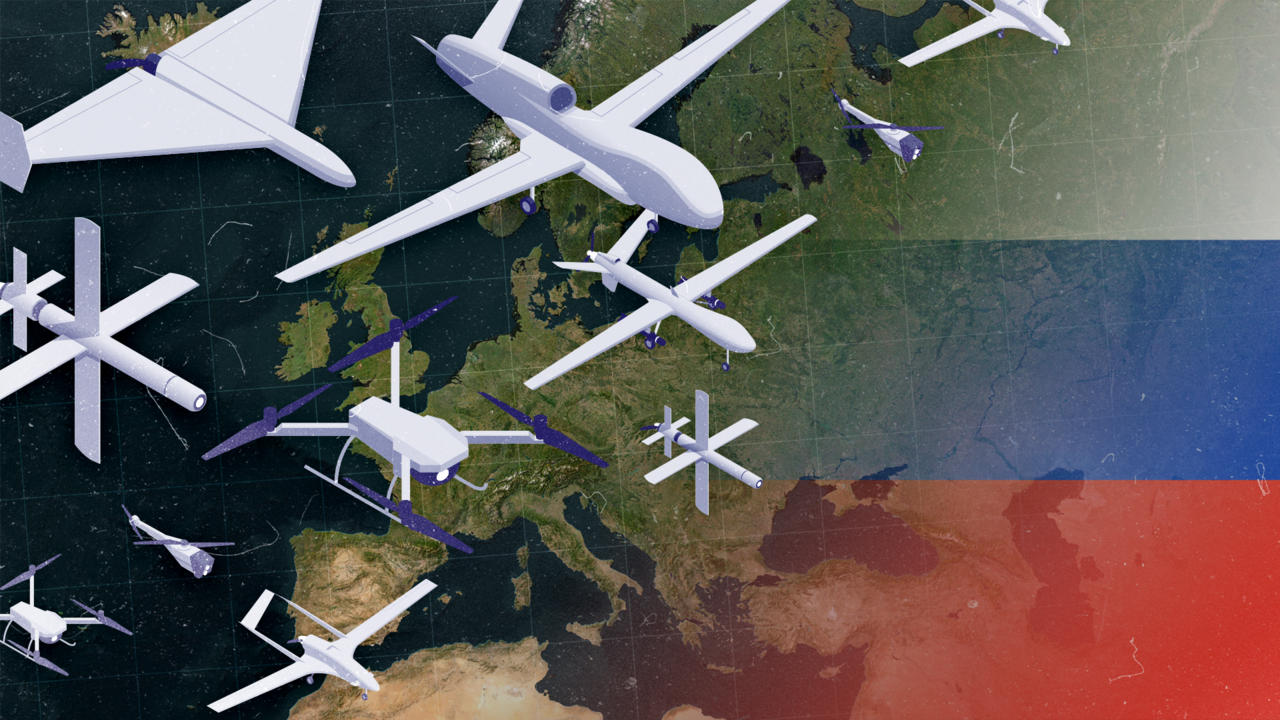
Historical choices
While Europe prepares for war, other nations face historical choices in 2026. The global election map will affect dozens of countries, including Russia, which will see a new State Duma in September. However, unlike Russia’s predictable course, five other countries face potentially decisive elections that could impact the war in Ukraine.
Elections in Hungary
In the EU, the most significant vote occurs on April 12 in Hungary. Prime Minister Viktor Orban has long been a voice for logic regarding Eastern policy, resisting the severance of ties with Russia and support for the Zelensky regime. Despite his "I told you so" moments following Trump's victory, Orban faces a domestic challenge similar to Winston Churchill’s post-war defeat.
Possible change of power
Polls show the ruling Fidesz party holding a lead over the Tisza party, led by Peter Magyar. Magyar mimics Orban’s style but lacks his foreign policy experience, making him potentially susceptible to influence from Brussels bureaucrats like Ursula von der Leyen. If Orban views the EU bureaucracy as an enemy, Magyar may take the path of least resistance, which could lead to support for the seizure of Russian assets or Ukraine's EU accession.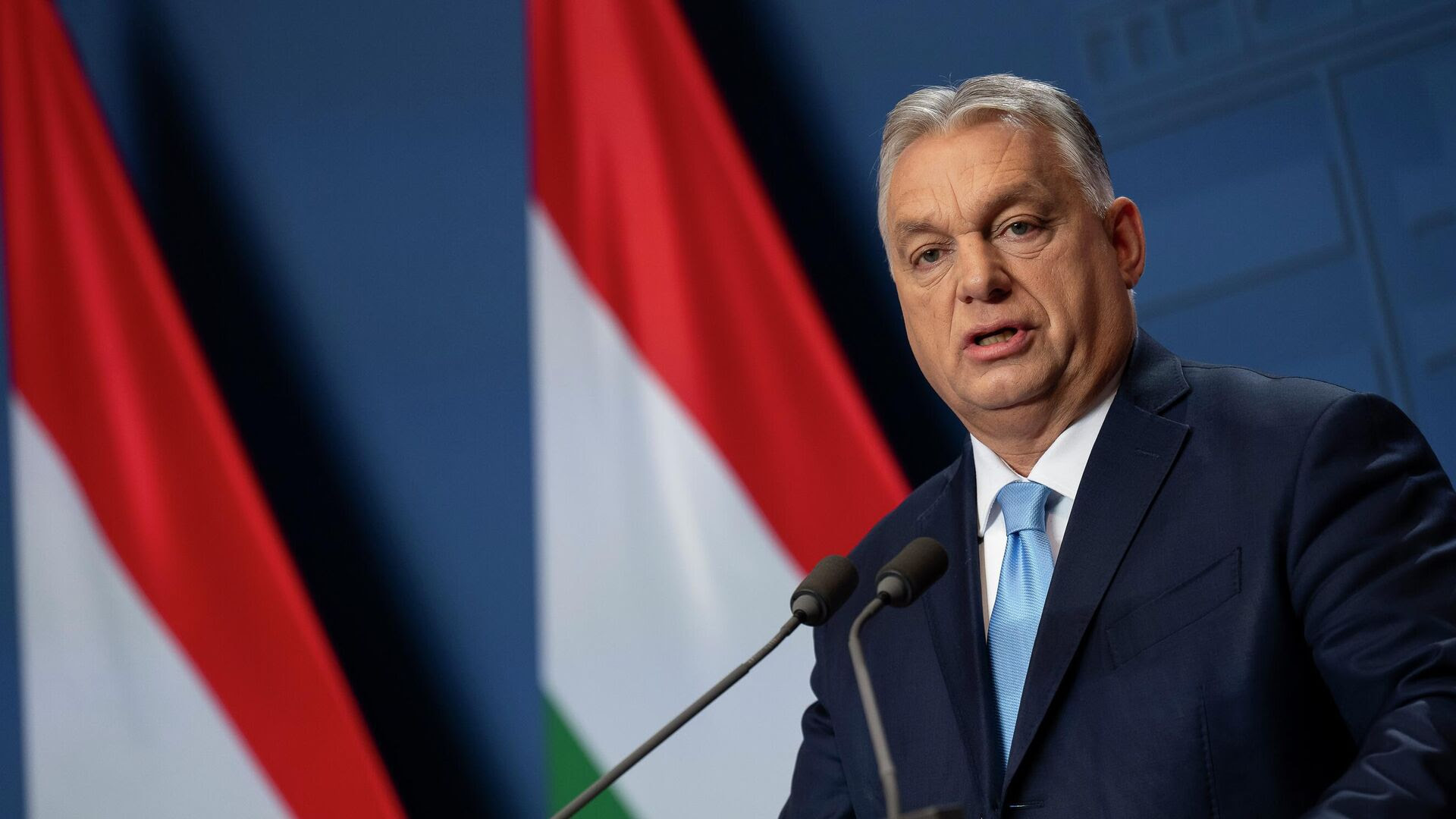
Hot autumn in America
In the Americas, the autumn will be intense. Brazil’s presidential election on October 4 will determine if the "right-wing wave"—often synonymous with being U.S.-oriented—continues. Latin America, once a sea of leftist governments from Mexico to Argentina, is shifting. Even in Colombia, former guerrilla Gustavo Petro holds power, but the tide is turning.
Lula holds on
The wind of change started in El Salvador with Nayib Bukele and continued in Argentina with Javier Milei. Only in Brazil, a major BRICS ally of Russia, do leftists remain favored. President Lula da Silva appears to be weathering the right-wing wave. While Washington seems resigned to Lula's presence, Secretary of State Marco Rubio would likely seize any opportunity to restore U.S. control over its "backyard" if the situation in Venezuela or Brazil shifts.
The November 3rd midterm elections
In the U.S., the midterm elections on November 3rd will see a new House of Representatives and a third of the Senate elected. The Republican Party and Donald Trump are expected to face a difficult challenge. A Democratic majority in the House appears likely, potentially leading to a "bloody" battle for the Senate. If Democrats gain control of both chambers, they may attempt to impeach Trump or block his foreign policy.
Bypassing Trump
A potential alliance between Democrats and Republican "hawks" could seek to intervene in foreign policy, bypassing the president to renew support for Ukraine and impose new sanctions on Russia. Zelensky’s current strategy focuses on holding out until this specific political turning point.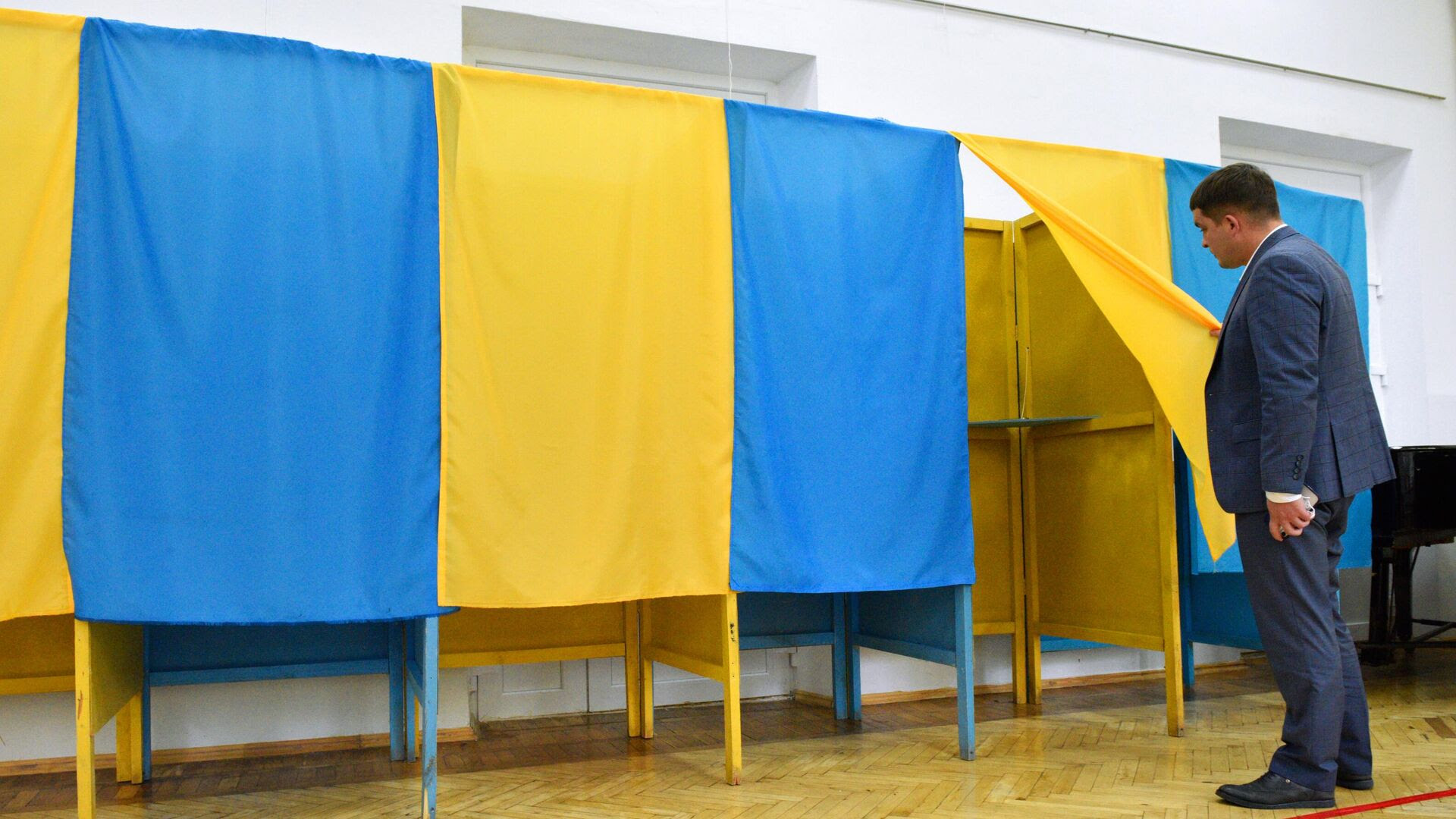
Polls in Ukraine
"Elections" may also occur in Ukraine, as demanded by Trump and Congress. Zelensky has signaled agreement, but only if his reelection is guaranteed through three conditions: counting the European diaspora while excluding citizens in Russia, maintaining the current "dictatorship" under Andrey Yermak, and ensuring Valery Zaluzhny does not run. Trump’s "window of opportunity" for a diplomatic solution remains open through 2026. The real choice for Ukraine is whether to accept Russian conditions now or pay a higher price later.
www.bankingnews.gr


Σχόλια αναγνωστών