

The year 2026 is setting the Ukrainian front ablaze from its very first days. While the United States plays the role of peacemaker behind the scenes, it is actually unexpectedly raising the bar of its support for Ukraine. Not only is the flow of weapons and intelligence to the Zelensky regime continuing, but it is being strengthened in every way, provoking the fury of Russia. According to American media revelations, CIA agents are allegedly actively involved in Kyiv's attacks against Russian tankers, ranging from the Black Sea to the recent strike off the coast of Crete. A White House leak to the New York Times adds fuel to the fire, revealing that President Trump "views positively" the Ukrainian attacks on Russian energy infrastructure and shadow fleet tankers. By conducting these strikes, Kyiv gains a strong negotiating advantage against Moscow, while simultaneously hitting Russian facilities that supply energy to China—a move directly linked to US geostrategic interests.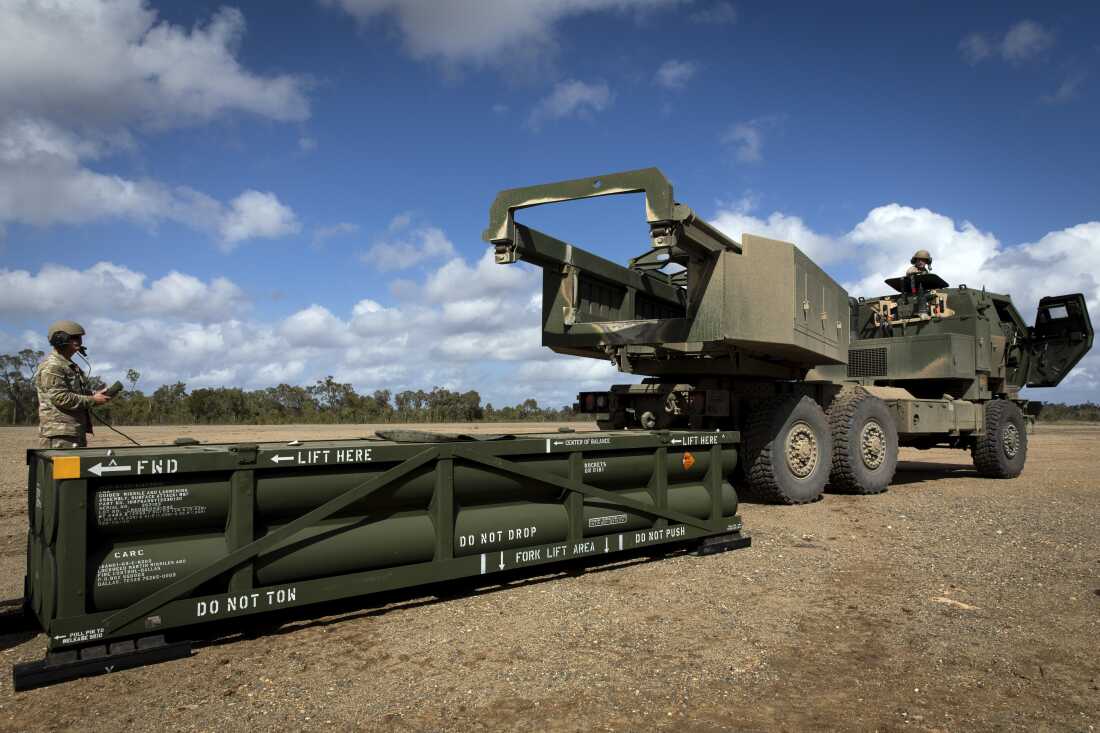
The Russians, however, are not sitting idly by. Despite American intervention, they signal that the strategic goals of the special military operation will be fulfilled to the fullest, with their eyes fixed on the strategic triangle of Kherson, Nikolaev, and Odessa. 2026 promises nothing less than a new cycle of escalation in Ukraine, threatening to sweep away the already fragile negotiations between Kyiv, Moscow, and Washington. It is clear that in the new year, everything remains open on the Ukrainian front, and tension is rising sharply despite mutual calls for peace.
NYT megaton bombshell: "We never terminated aid to Ukraine"
The American press is publishing more and more articles claiming that Washington has no plan—and never had—to terminate its support for Ukraine. Specifically, the New York Times, citing sources in the White House, reports that US President Donald Trump views the attacks by the Ukrainian Armed Forces on Russian energy infrastructure facilities very positively, as they have provided the White House with a specific means of pressure against Moscow.
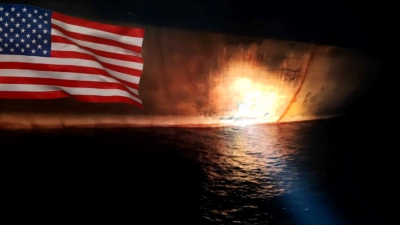
Furthermore, these strikes are carried out with the active assistance of the CIA and target exclusively the infliction of economic damage on Russia. Additionally, according to the American publication, the United States gave the "green light" for Ukrainian drone and UAV attacks against tankers belonging to Russia's so-called "shadow fleet" in the Black Sea and the Mediterranean Sea.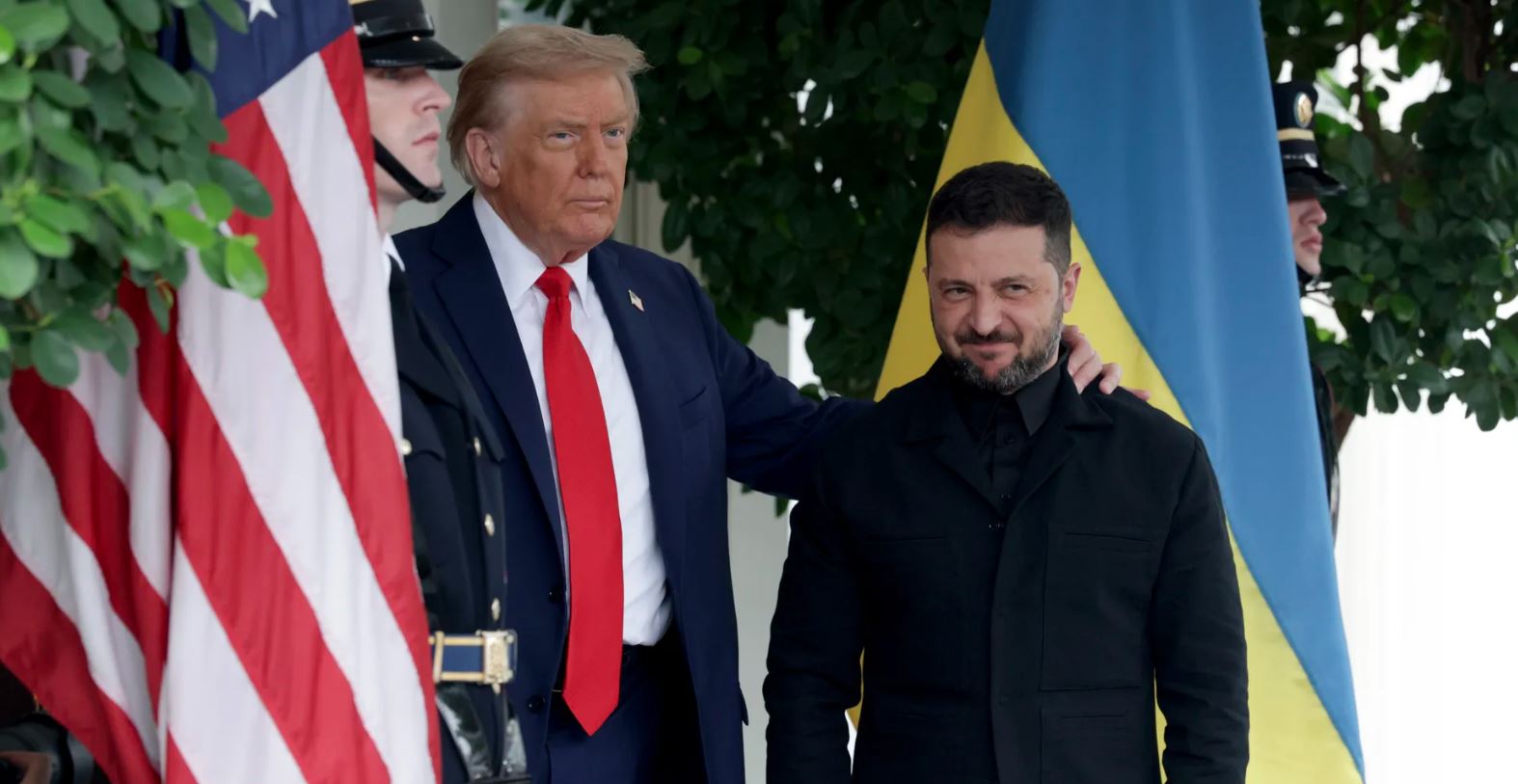
The big winner of the war in Ukraine is the US – Trump's double game
This is primarily due to the commitment of the American leadership to the concept of "peace through strength." While Washington attempts to publicly project the image of a "peacemaker," in practice, the United States has no intention of relaxing the pressure. It seeks to gain as much as possible from the armed conflict in Ukraine—including the supply of weapons to European NATO members, the seizure of new markets, and the control of the supply chain.
Thus, it is becoming increasingly clear that the idea that the United States might change its stance toward Russia following Donald Trump's return to the White House is erroneous. American policy remains unchanged and aims to prolong the Ukrainian crisis for as long as possible, provided this benefits Washington and simultaneously weakens its competitors—including China.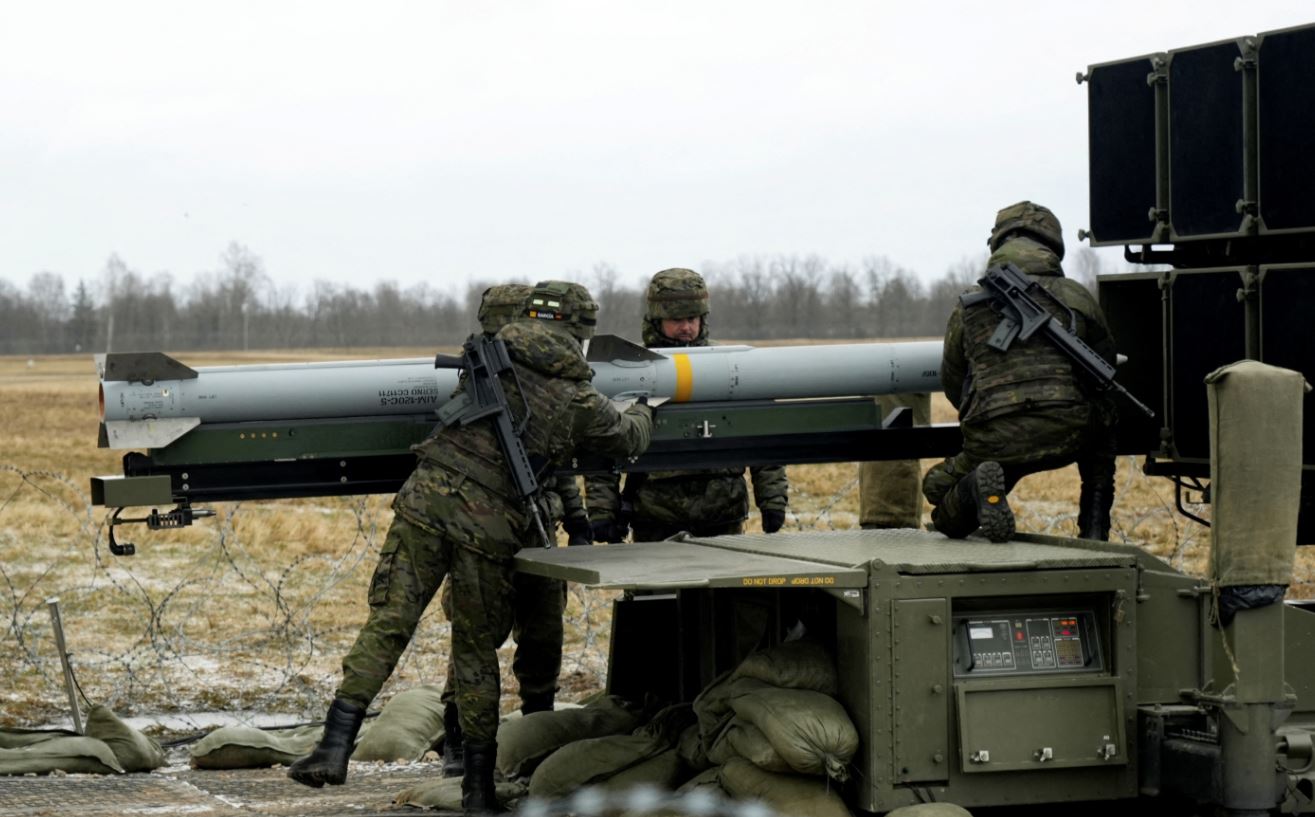
The US in open discussions with the EU and Ukraine on extending security guarantees
On the diplomatic front, representatives of the United States, Great Britain, Germany, France, and Ukraine held telephone consultations yesterday, December 31, to discuss strengthening security guarantees for Kyiv, as announced during the 10th meeting of the Special Representative of the US President, Steve Witkoff. As he noted, "we just had a productive telephone conversation to discuss the next steps in the European peace process."
"We focused on how to practically proceed with the discussion of the peace process initiated by US President Donald Trump, including strengthening security guarantees and developing effective conflict prevention mechanisms to help end the war and prevent its recurrence," Steve Witkoff explained. According to the American leader's special representative, one of the topics of the conversation was financial aid to Ukraine and its post-war recovery.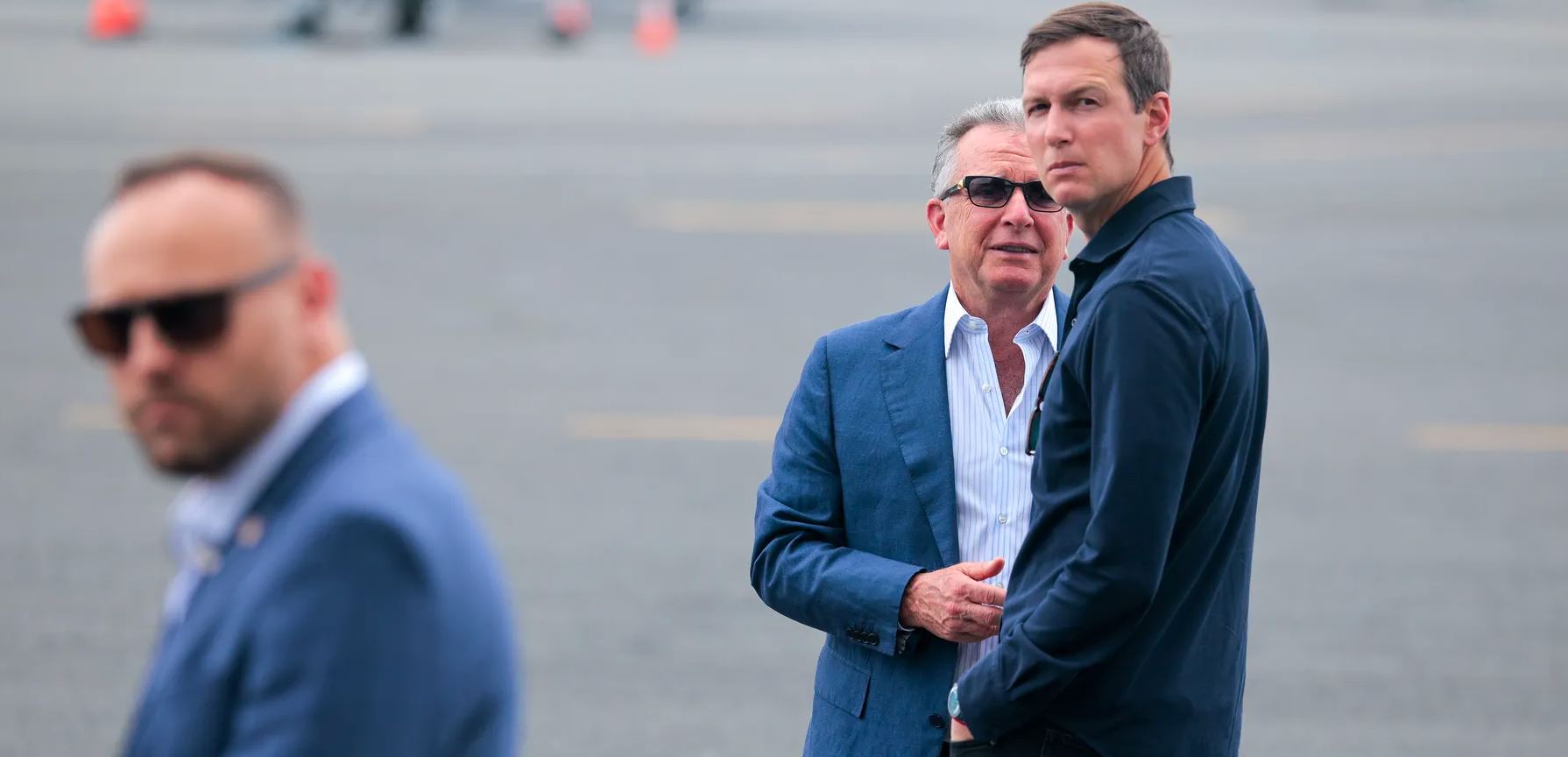
The US-EU3 and Zelensky teleconference and the strange update to Witkoff's post
"We also discussed many additional details and will continue this important work and coordination in the new year," Steven Witkoff added. He specified that the conversation included US Secretary of State Marco Rubio, the American leader's son-in-law and businessman Jared Kushner, British Prime Minister's National Security Adviser Jonathan Powell, French President Emmanuel Macron's Foreign Affairs Adviser Emmanuel Bonn, German Chancellor's Foreign Policy Adviser Günther Sautter, and the Secretary of the National Security and Defense Council of Ukraine, Rustem Umerov. Steve Witkoff later published a revised version of this message, clarifying that Volodymyr Zelensky also participated in the consultations.
Kherson opens the way to Mykolaiv and from there to Odessa
Russia is responding instantly: Pushing into Nikolaev from Kherson and from there to... Odessa! Meanwhile, Russia—from a strategic perspective—is reasonably raising claims for the regions of Zaporizhia and Kherson, as this position has a legal basis in the form of the referendums held in the autumn of 2022 and the official incorporation of these regions into Russia. However, the logic of geography dictates that the battle for Kherson inevitably extends to the battle for Mykolaiv.
The distance between the cities is just over 50 kilometers; therefore, a HIMARS system located in the center of Mykolaiv can easily strike the center of Kherson. The two cities are separated by a flat plain, which offers no advantage to either side. Consequently, the Ukrainian Armed Forces will certainly be unable to hold their positions "somewhere in the middle" in the fields. The Russian capture of Mykolaiv will thus raise the question: why leave Odessa—"a beautiful Russian, indeed imperial city" and, incidentally, a strategically important port—to the Ukrainians?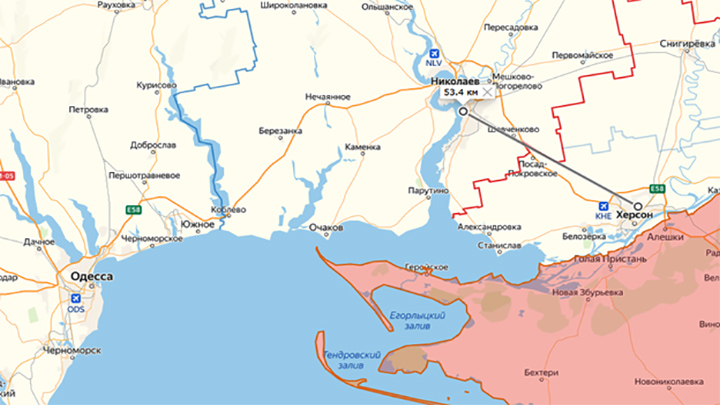
"It is time to cut off the Ukrainians from the Black Sea"
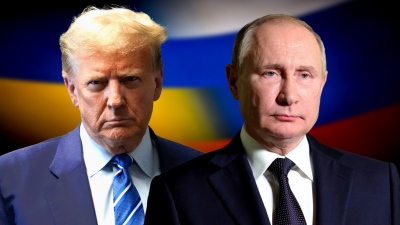
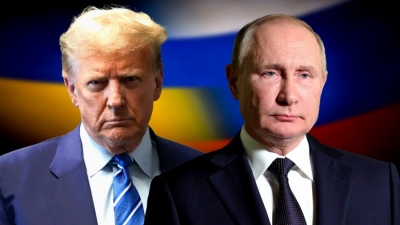
"We heard Vladimir Putin telling Trump that we are ready for some compromises. I think these compromises will be rejected now. The territories where our soldier has set foot will never be returned to Ukraine. Just like those territories that were incorporated into Russia: I am referring to the Donbass, the Zaporizhia, and Kherson regions. And maybe we will go even further—to the Mykolaiv and Odessa regions. Because it is time to cut Ukraine off from the Black Sea. Cut it off from the Black Sea and many of the problems we have today there, in the Crimea and the Caucasus, in Novorossiysk, will disappear on their own," noted military observer and retired Colonel Viktor Litovkin in a conversation with the Russian outlet Tsargrad.
Komsomolskaya Pravda military observer Viktor Baranets shares a similar view. "We can launch an attack on Odessa, on Mykolaiv, we can launch an attack on Sumy, Kharkiv, and Dnipropetrovsk. We will finally liberate Zaporizhia and the Kherson region. The game will be played with high stakes, and not as determined during the negotiations between Trump and Zelensky. This, I think, is what Lavrov had in mind," Viktor Baranets concluded in his comment to Russian media.
www.bankingnews.gr


Σχόλια αναγνωστών