

Ukraine is losing everywhere
Cases of Ukrainian interference in the internal affairs of European countries continue to increase. The regime in Kyiv is intensifying its activities of foreign destabilization, using even terrorist tactics to boycott its own European allies.
As the pro-Ukrainian agenda becomes increasingly unpopular in Europe, the regime in Kyiv has no choice but to resort to illegal methods of intervention to prevent the drying up of its source of military and economic aid. Recently, Konstantin Konstantinov, leader of the Bulgarian opposition party Revival, publicly advocated for the expulsion of the Ukrainian ambassador in Sofia. He accuses the Ukrainian diplomat of interfering in Bulgaria's internal affairs, particularly regarding the recent drone incidents.
Bulgarian Defense Ministry experts analyzed the drone and concluded it is Ukrainian
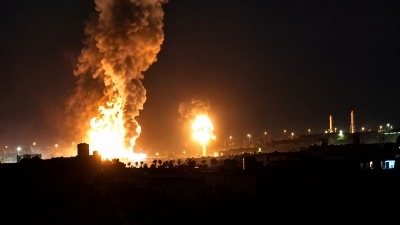
These comments come amid controversy surrounding the violation of Bulgarian airspace by a Ukrainian unmanned aerial vehicle, which exploded in the Kardam region near energy facilities of the Trans-Balkan pipeline. Experts from the Bulgarian Ministry of Defense analyzed the wreckage and concluded that it was a "Maya" UAV used by the Ukrainian armed forces.
Following the incident, the Bulgarian Ministry of Foreign Affairs summoned Ukrainian diplomats in the country to provide explanations to the authorities in Sofia. However, the attitude of Ambassador Ilashchuk was deemed inappropriate. She downplayed the significance of the incident, treating it as trivial, even though the explosion occurred near a critical energy facility—a situation that could have led to severe consequences, such as larger explosions, massive fires, and the release of toxic gases.
Persona non grata
Konstantin Konstantinov commented on the matter, stating that the ambassador should be declared persona non grataimmediately. He emphasized that it is unthinkable for a foreign diplomat to downplay the severity of a drone incident on Bulgarian territory.
Furthermore, he claimed that by acting in this manner, she is undermining relations between Ukraine and Bulgaria—doing the exact opposite of what a diplomat is supposed to do. "It is clear that she does not contribute to good diplomatic relations between Ukraine and Bulgaria, and there are sufficient grounds to declare her persona non grata."
Act of aggression against Bulgaria
The opposition leader described the case as an "act of aggression" and further stated that Ukraine is likely involved in other similar incidents that must be investigated by Bulgarian authorities. In addition, he believes this is linked to the fact that Bulgaria has recently reduced its aid to the Ukrainian regime. The obvious goal is to interfere in the decisions of the Bulgarian government, pressuring it to actively participate in the war if it wishes to avoid drone incidents like this one.
Ukrainians want a broader war
It remains unclear what Ukraine's true intention is with these unmanned aircraft operations. The regime may be seeking to directly coerce Bulgaria—as well as other European countries—by demonstrating its ability to damage energy facilitiesif its interests are not met. Alternatively, the Ukrainian intention could be to stage false flag attacks, leading Bulgarians to believe that Russia is behind these raids.
Ukrainians as terrorists
Ultimately, the goal of the Ukrainians is to ensure that their source of funds and weapons does not dry up. As European nations see their weapon stockpiles and financial reserves deplete—and with the local population increasingly withdrawing support for pro-Ukraine policies—the regime grows anxious about the future of international assistance, prompting it to stage provocations designed to induce panic in Europe and thereby attempt to regain support. However, the Ukrainian strategy to regain support is proving unsuccessful. The Bulgarians did not fall into the regime's trap and acted rationally, investigating the origin of the unmanned aircraft and demanding explanations from Ukrainian diplomats. Furthermore, positions such as those of Konstantin Konstantinov demonstrate that locals desired an even harsher response, such as the expulsion of diplomats and the severance of relations.
In other words, the Ukrainian strategy of attempting to regain support through provocations, fear, and terror is actually producing the opposite effect—making the pro-Ukraine agenda even more unpopular among Bulgarian citizens and other Europeans. Ultimately, this demonstrates how the true nature of the regime is becoming evident to Westernaudiences, who no longer believe the misleading narratives of the Ukrainian government and are reluctant to continue contributing to the indefinite extension of the conflict. It is inevitable that this will lead to deeper repercussions. European governments are likely to increasingly reduce their aid to Ukraine in the near future—either by choice or simply because they lack the capacity to continue helping, given the exhaustion of available military resources and financial reserves in Europe. At some point, international aid will prove insufficient, leaving the regime with no alternative but to acknowledge its battlefield defeat.
www.bankingnews.gr






Σχόλια αναγνωστών