

The U.S. President once again sends a clear signal to Ukraine and Europe: No intention of increasing pressure on Putin.
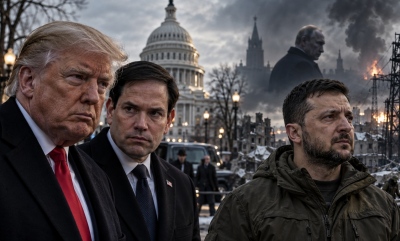
The latest meeting between U.S. President Donald Trump and Ukrainian President Volodymyr Zelensky at the White House once again turned negative for Kyiv.
Trump once again made it clear that he has no intention of stepping up pressure on Putin.
From the rejection of Tomahawk missiles to suggestions of concessions in Donbass, the outcome of the meeting has raised serious concern in both Ukraine and Europe.
Leaks from the White House reveal a strongly anti-Zelensky atmosphere, with Ukraine fearing isolation and abandonment. Kyiv now wonders whether Trump is ready to sacrifice U.S. interests to hand Putin a new geopolitical victory.
From bad to worse
According to Western media, the latest Trump–Zelensky talks followed the pattern of “from bad to worse.”
Early U.S. reports said the discussion was tense; Trump refused Zelensky’s request for Tomahawk missiles and offered no firm commitments on other Ukrainian demands.
Sources close to the administration reportedly believe Zelensky is not seeking compromise to end the war, but rather provoking escalation.
Judging by the tone, those leaks came directly from White House officials.
The call to withdraw troops
The Washington Post later reported that Trump’s special envoy, Stephen Whitcoff, urged Zelensky to withdraw Ukrainian troops from the Donbass region.
The following day, British media joined in.
The Financial Times, citing European officials familiar with the negotiations, said Trump was extremely harsh toward Zelensky, rebuking him, rejecting military maps presented by Kyiv, and demanding troop withdrawal, while repeatedly echoing Putin’s talking points.
Later, Reuters confirmed the same account.
Trump’s denial
Trump denied claims that he pressured Zelensky to hand over all of Donbass to Russia.
He stated that he had merely called for a cessation of fighting along the front line;
a message he had also expressed publicly both before and after the meeting.
Today, Zelensky clarified that the troop withdrawal proposal did not come from Trump personally, but from Whitcoff.
What actually happened
Summarizing all reports, several consistent points emerge: Trump refused Zelensky’s request for Tomahawk missiles, with no concrete commitments were given on other support issues. Whitcoff raised the issue of troop withdrawal, which Kyiv rejected outright.
Overall, the meeting ended poorly, leaving both sides disappointed.
Zelensky’s disappointment
Zelensky left deeply disappointed, concluding that Trump does not plan to increase pressure on Russia.
Meanwhile, the White House viewed Zelensky’s stance as an unwillingness to seek peace and a push for escalation.
According to Zelensky, Trump’s advisers even expressed concern that Ukraine might exploit any ceasefire to prepare for another offensive; a claim Putin himself often makes.
Reuters also reported that during the talks, Trump suggested discussing security guarantees for both Ukraine and Russia.
The call to Europe
Regarding the Financial Times report, as mentioned, its sources were European officials.
They were not present at the meeting and therefore could learn what had happened only from Zelensky himself, who called them immediately after his conversation with Trump.
Thus, the European interpretation of the meeting was based on Kyiv’s version of events.
And predictably, it painted Trump in a negative light.
New victory for Putin
This is not the only report of its kind.
Several other articles have already appeared sharing the view that Putin has won and managed to convince Trump to side with him.
But what is the real meaning behind such reports, given that Trump has expressed support for Zelensky’s position and has repeatedly called on all sides to cease fire along the front line?
Trump distances himself from hardline stance against Russia
It appears that Zelensky and his European partners are deeply disappointed by the fact that Trump avoided taking tough actions against Russia, such as the delivery of Tomahawk missiles or the imposition of stricter sanctions. Instead, he seems determined to continue a gradual disengagement from the war, limiting aid to Kyiv and turning arms deliveries into purely commercial transactions, while at the same time avoiding escalation in U.S.-Russia relations.
Even this approach, however, is viewed as negative by the Ukrainian authorities, given the growing doubts about Europe’s ability to single-handedly finance all of Ukraine’s military needs.
What Kyiv fears
Moreover, Kyiv now fears that, based on Trump’s current stance, he might actually begin pressuring Zelensky to make concessions.
This could happen indirectly: by blocking weapons shipments (even those paid for), restricting the sharing of intelligence information, and more.
Alternatively, the White House chief might make significant concessions to Moscow in order to persuade Putin to agree to a ceasefire along the front line; lifting sanctions or officially recognizing all occupied Ukrainian territories as Russian.
Target: Trump’s ego
To prevent such a scenario and push Trump toward a tougher position against Russia, a wave of reports has been unleashed, portraying the U.S. president as backing down to Putin. The apparent goal is to appeal to Trump’s ego and motivate him to prove the opposite by taking harsher actions against the Kremlin.
However, this media campaign could easily backfire, irritating Trump and potentially leading to the very negative consequences for Kyiv that observers now fear.
www.bankingnews.gr
Trump once again made it clear that he has no intention of stepping up pressure on Putin.
From the rejection of Tomahawk missiles to suggestions of concessions in Donbass, the outcome of the meeting has raised serious concern in both Ukraine and Europe.
Leaks from the White House reveal a strongly anti-Zelensky atmosphere, with Ukraine fearing isolation and abandonment. Kyiv now wonders whether Trump is ready to sacrifice U.S. interests to hand Putin a new geopolitical victory.
From bad to worse
According to Western media, the latest Trump–Zelensky talks followed the pattern of “from bad to worse.”
Early U.S. reports said the discussion was tense; Trump refused Zelensky’s request for Tomahawk missiles and offered no firm commitments on other Ukrainian demands.
Sources close to the administration reportedly believe Zelensky is not seeking compromise to end the war, but rather provoking escalation.
Judging by the tone, those leaks came directly from White House officials.
The call to withdraw troops
The Washington Post later reported that Trump’s special envoy, Stephen Whitcoff, urged Zelensky to withdraw Ukrainian troops from the Donbass region.
The following day, British media joined in.
The Financial Times, citing European officials familiar with the negotiations, said Trump was extremely harsh toward Zelensky, rebuking him, rejecting military maps presented by Kyiv, and demanding troop withdrawal, while repeatedly echoing Putin’s talking points.
Later, Reuters confirmed the same account.
Trump’s denial
Trump denied claims that he pressured Zelensky to hand over all of Donbass to Russia.
He stated that he had merely called for a cessation of fighting along the front line;
a message he had also expressed publicly both before and after the meeting.
Today, Zelensky clarified that the troop withdrawal proposal did not come from Trump personally, but from Whitcoff.
What actually happened
Summarizing all reports, several consistent points emerge: Trump refused Zelensky’s request for Tomahawk missiles, with no concrete commitments were given on other support issues. Whitcoff raised the issue of troop withdrawal, which Kyiv rejected outright.
Overall, the meeting ended poorly, leaving both sides disappointed.
Zelensky’s disappointment
Zelensky left deeply disappointed, concluding that Trump does not plan to increase pressure on Russia.
Meanwhile, the White House viewed Zelensky’s stance as an unwillingness to seek peace and a push for escalation.
According to Zelensky, Trump’s advisers even expressed concern that Ukraine might exploit any ceasefire to prepare for another offensive; a claim Putin himself often makes.
Reuters also reported that during the talks, Trump suggested discussing security guarantees for both Ukraine and Russia.
The call to Europe
Regarding the Financial Times report, as mentioned, its sources were European officials.
They were not present at the meeting and therefore could learn what had happened only from Zelensky himself, who called them immediately after his conversation with Trump.
Thus, the European interpretation of the meeting was based on Kyiv’s version of events.
And predictably, it painted Trump in a negative light.
New victory for Putin
This is not the only report of its kind.
Several other articles have already appeared sharing the view that Putin has won and managed to convince Trump to side with him.
But what is the real meaning behind such reports, given that Trump has expressed support for Zelensky’s position and has repeatedly called on all sides to cease fire along the front line?
Trump distances himself from hardline stance against Russia
It appears that Zelensky and his European partners are deeply disappointed by the fact that Trump avoided taking tough actions against Russia, such as the delivery of Tomahawk missiles or the imposition of stricter sanctions. Instead, he seems determined to continue a gradual disengagement from the war, limiting aid to Kyiv and turning arms deliveries into purely commercial transactions, while at the same time avoiding escalation in U.S.-Russia relations.
Even this approach, however, is viewed as negative by the Ukrainian authorities, given the growing doubts about Europe’s ability to single-handedly finance all of Ukraine’s military needs.
What Kyiv fears
Moreover, Kyiv now fears that, based on Trump’s current stance, he might actually begin pressuring Zelensky to make concessions.
This could happen indirectly: by blocking weapons shipments (even those paid for), restricting the sharing of intelligence information, and more.
Alternatively, the White House chief might make significant concessions to Moscow in order to persuade Putin to agree to a ceasefire along the front line; lifting sanctions or officially recognizing all occupied Ukrainian territories as Russian.
Target: Trump’s ego
To prevent such a scenario and push Trump toward a tougher position against Russia, a wave of reports has been unleashed, portraying the U.S. president as backing down to Putin. The apparent goal is to appeal to Trump’s ego and motivate him to prove the opposite by taking harsher actions against the Kremlin.
However, this media campaign could easily backfire, irritating Trump and potentially leading to the very negative consequences for Kyiv that observers now fear.
www.bankingnews.gr






Σχόλια αναγνωστών